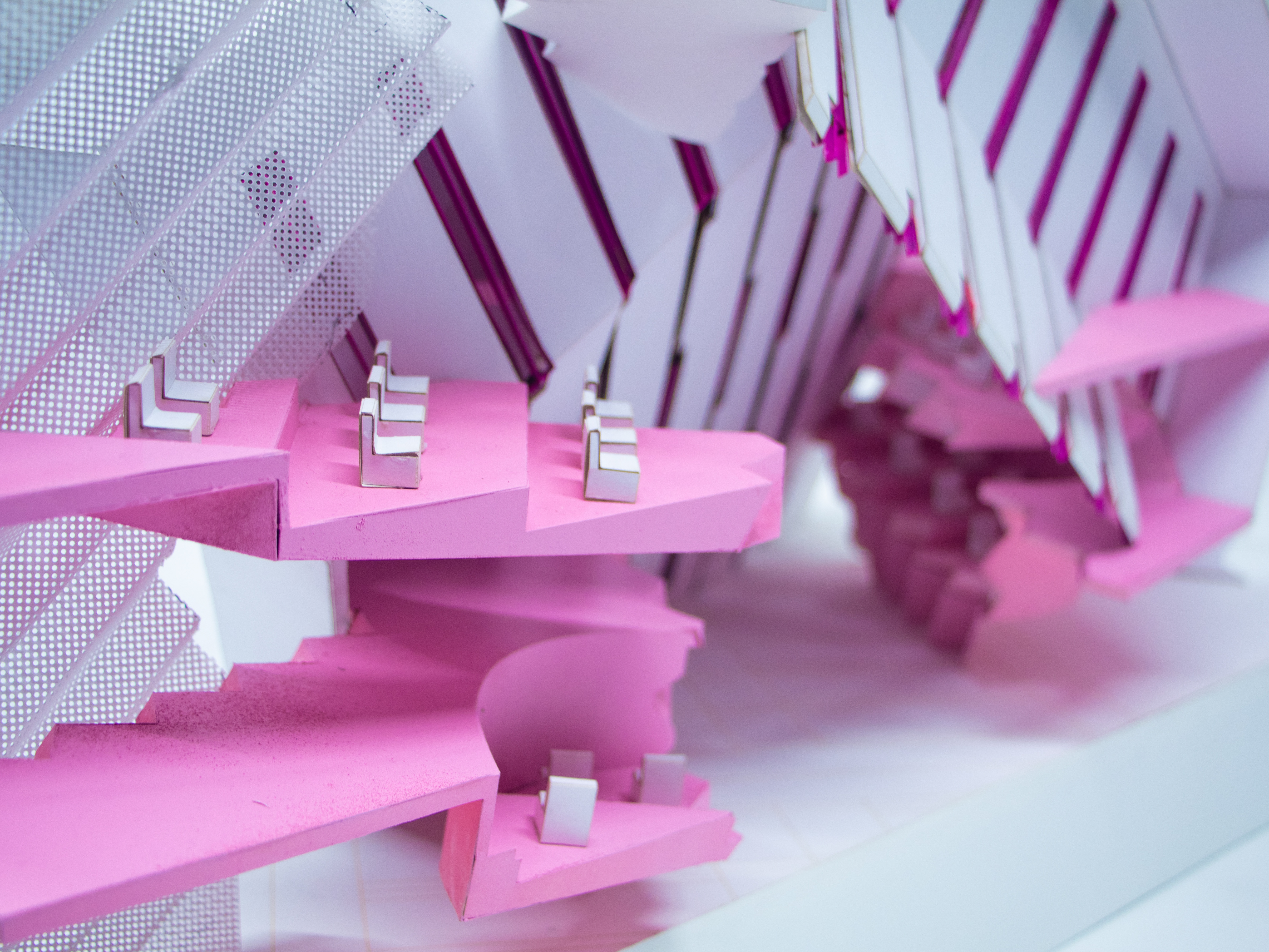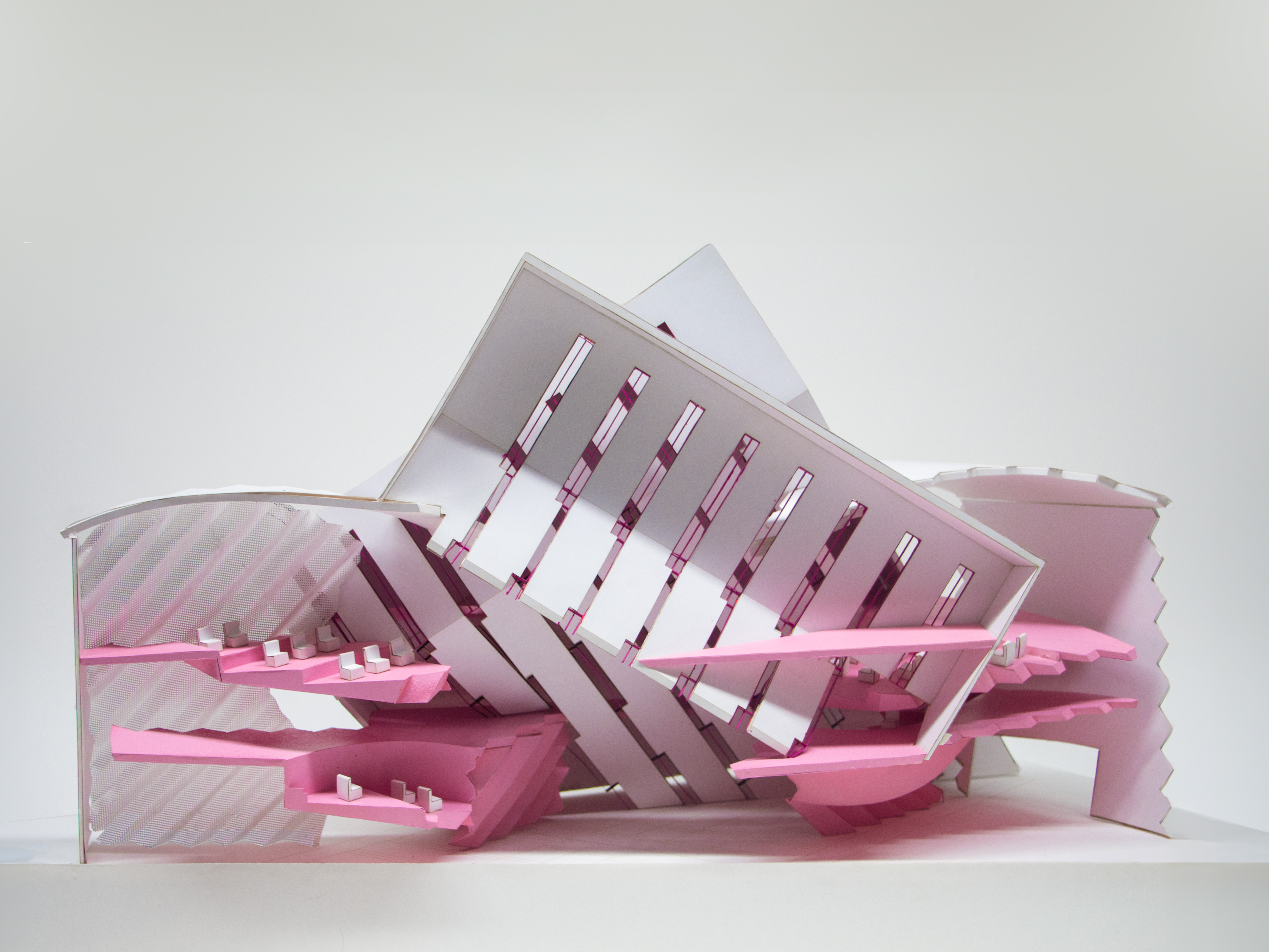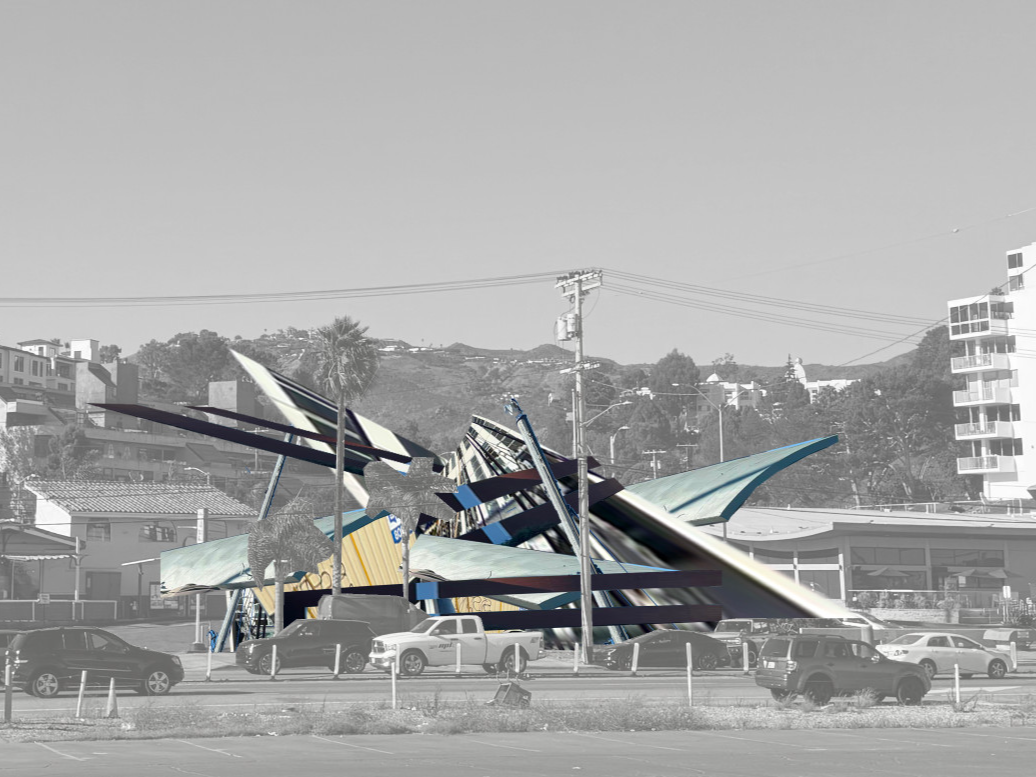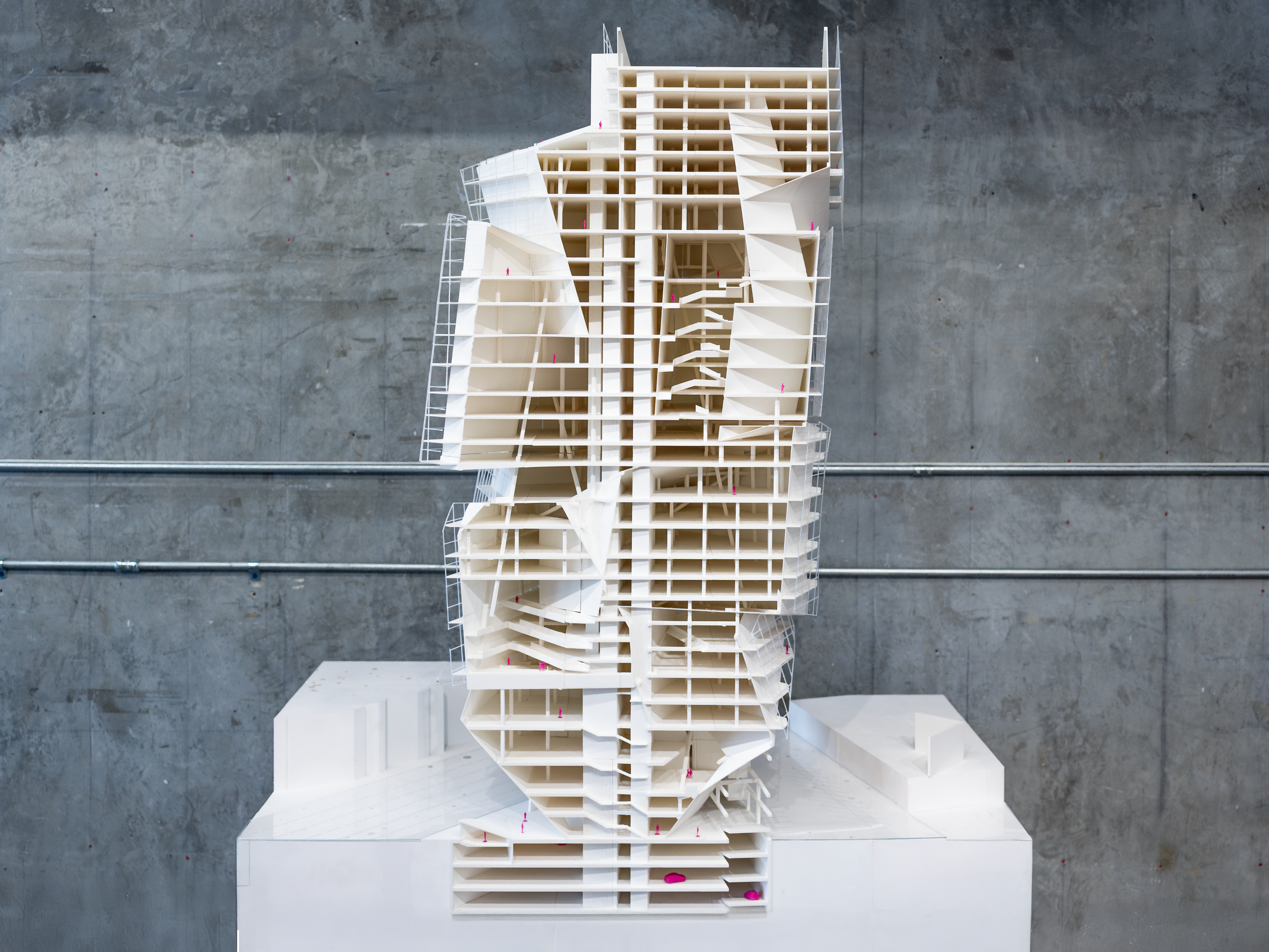
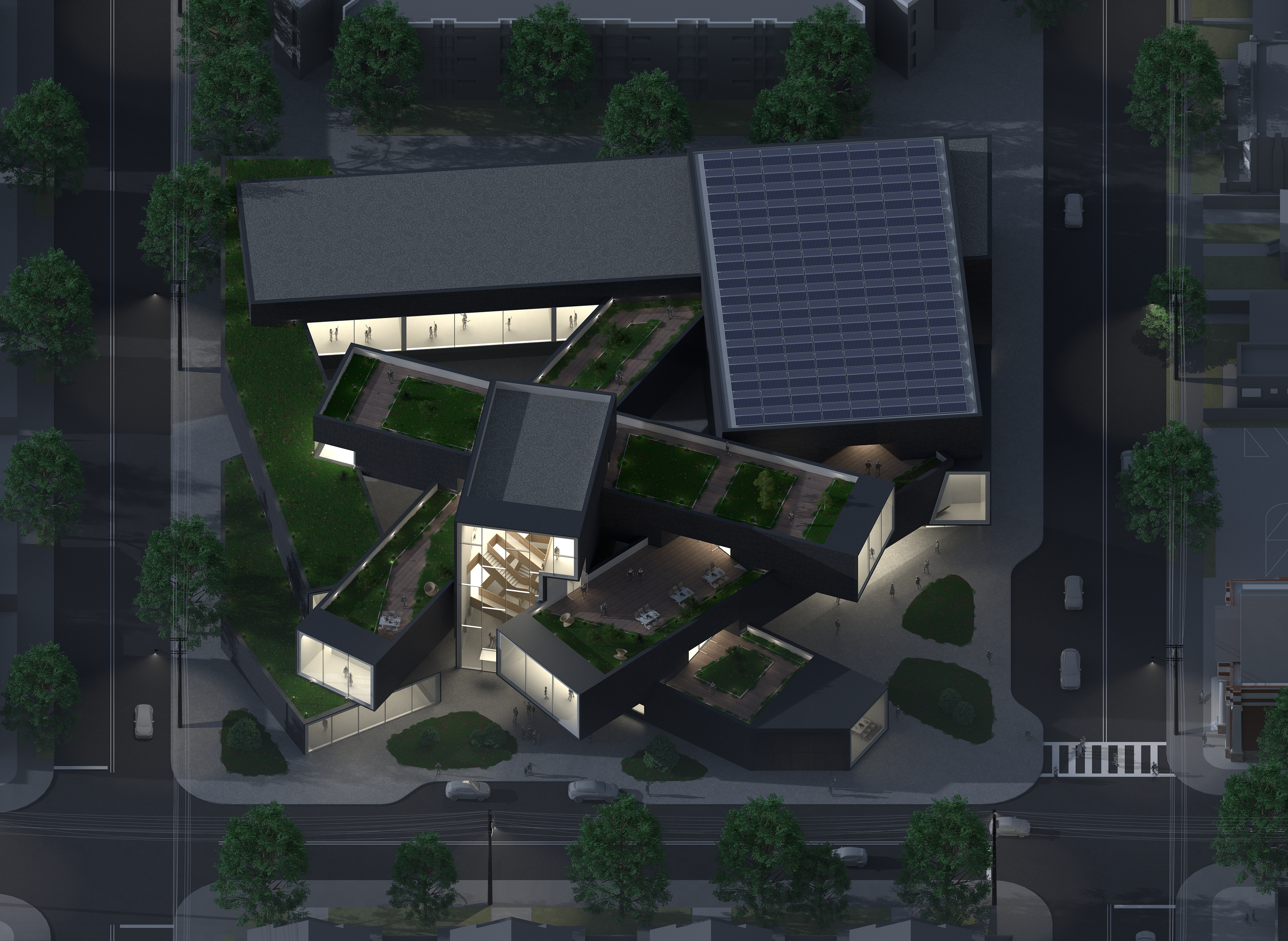
This project transforms choreography into an architectural system through stacked programs, intersecting ramps, and public courtyards. It turns a theater and community center into an active urban framework for Pico-Union, where performance, movement, and daily public life overlap.
Theater as Urban Framework
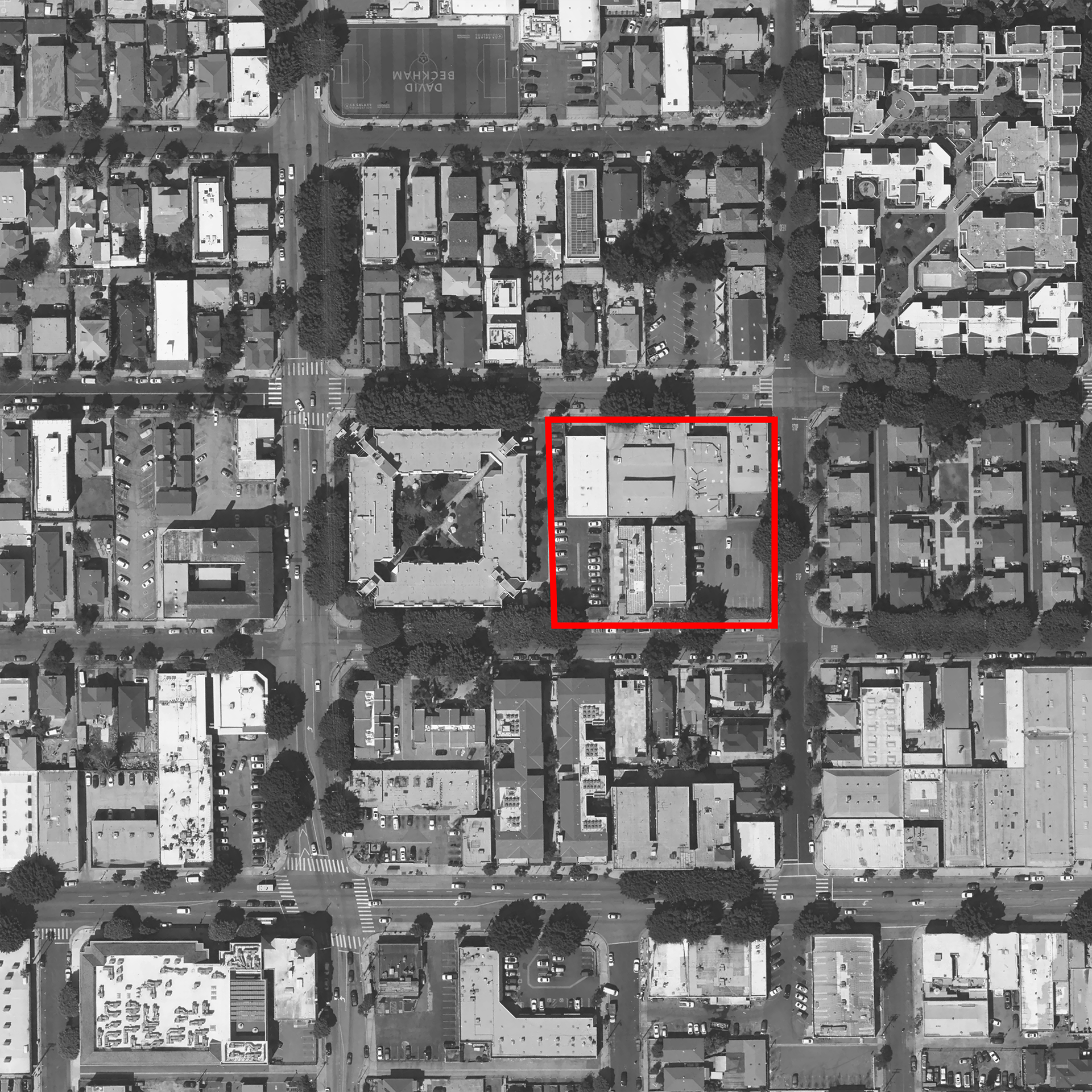
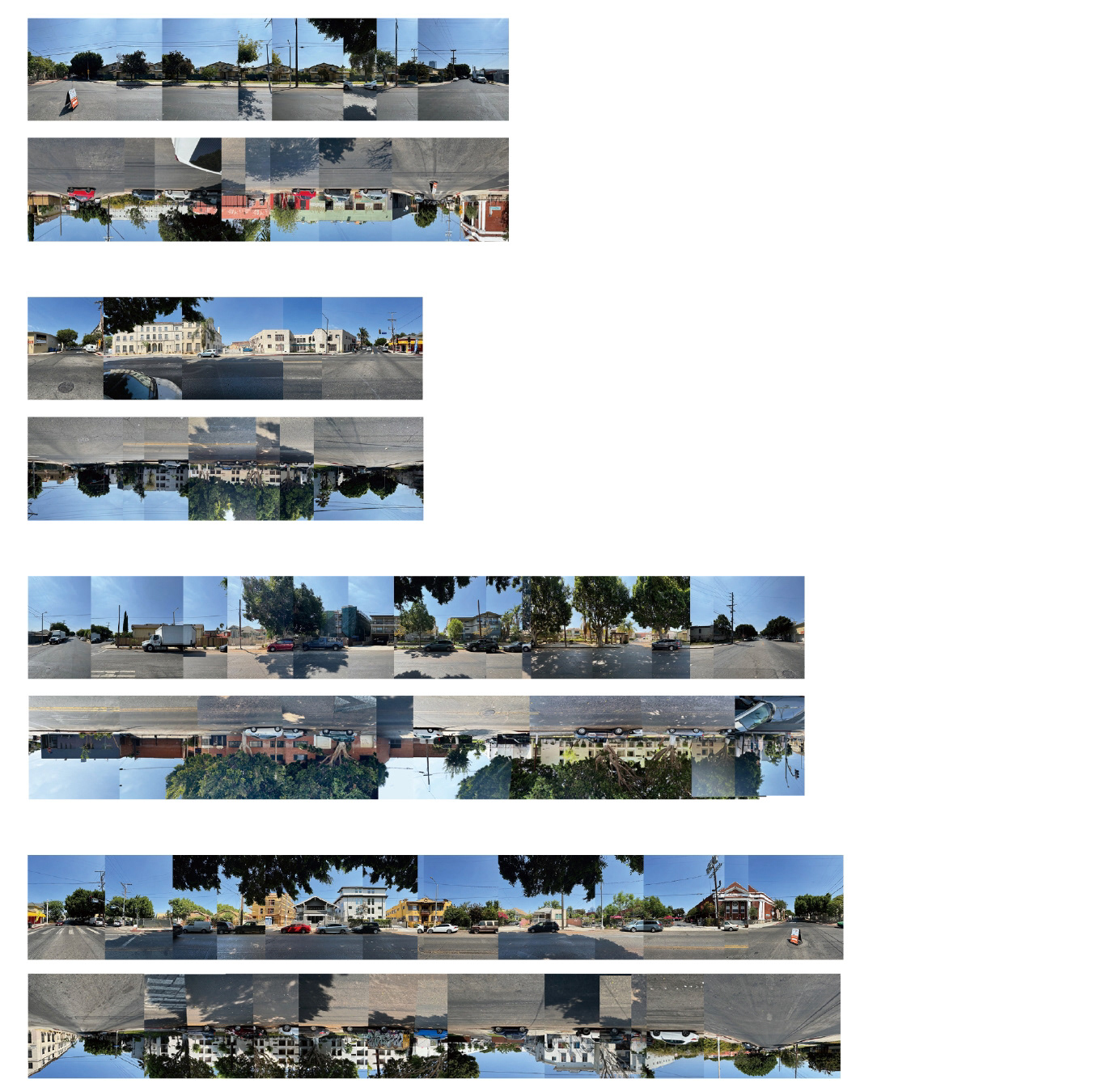
Located in Pico-Union, one of Los Angeles’ most densely populated and culturally active immigrant neighborhoods, the project responds to a context defined by everyday intensity but limited access to civic and cultural infrastructure.
Rather than treating the theater as a closed performance object, the proposal repositions it as a community-driven public framework.
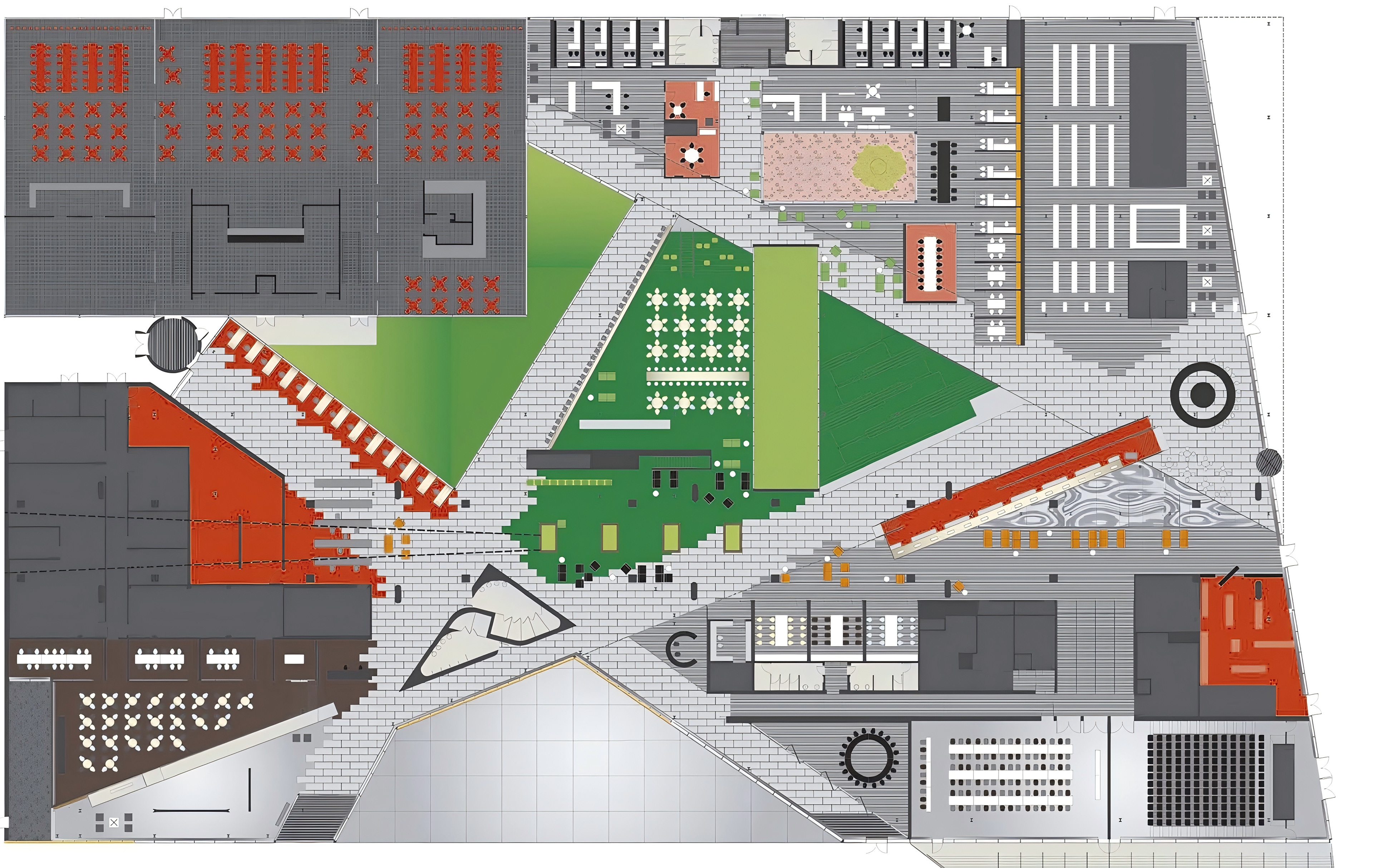
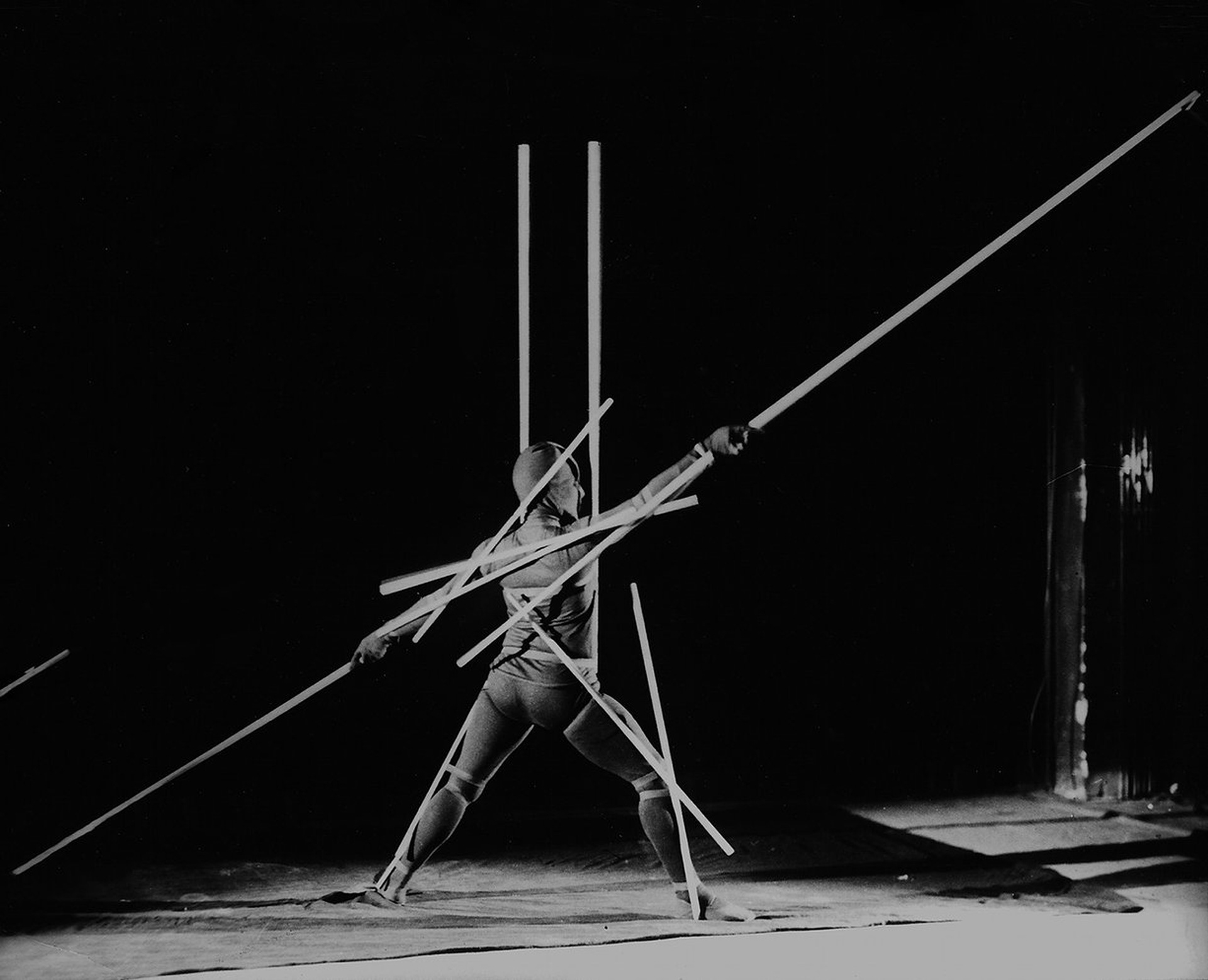
Choreographed Stack is a civic-minded architecturalproject that merges the principles of dance withdesign.
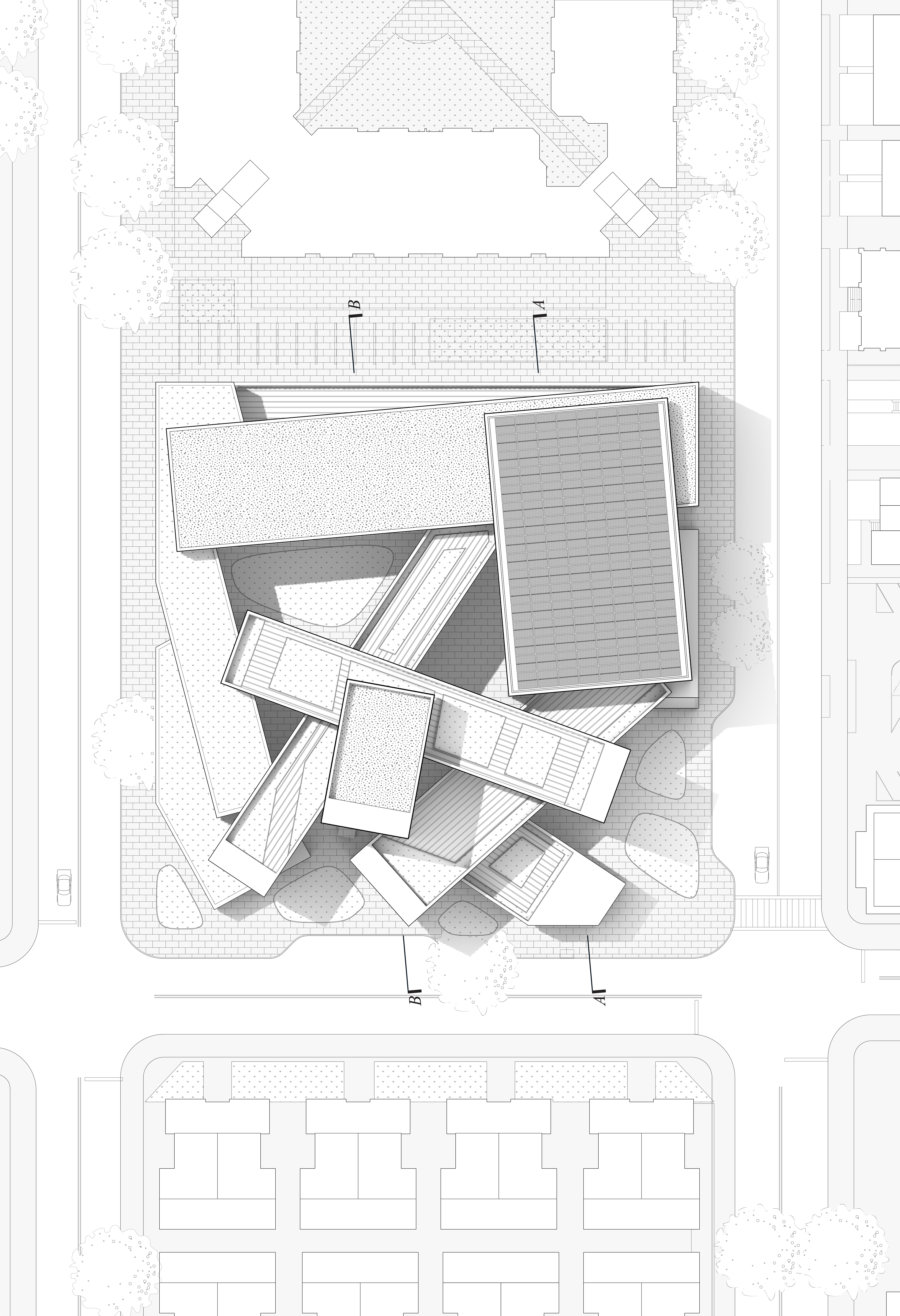
Inspired by movement and fluidity, the building fea-tures a porous, dynamic structure that encourages cir-culation and community engagement.Drawing from precedents like OMA's IIT McCormickTribune Campus Center, the design integrates dancewith architecture, offering spaces that foster creativityand interaction.A central courtyard, porous massing and vertical circu-lation tower unify various programmatic elements,creating a vibrant hub for public performance, prac-tice, and connection.
Inspired by movement and fluidity, the building fea-tures a porous, dynamic structure that encourages cir-culation and community engagement.Drawing from precedents like OMA's IIT McCormickTribune Campus Center, the design integrates dancewith architecture, offering spaces that foster creativityand interaction.A central courtyard, porous massing and vertical circu-lation tower unify various programmatic elements,creating a vibrant hub for public performance, prac-tice, and connection.
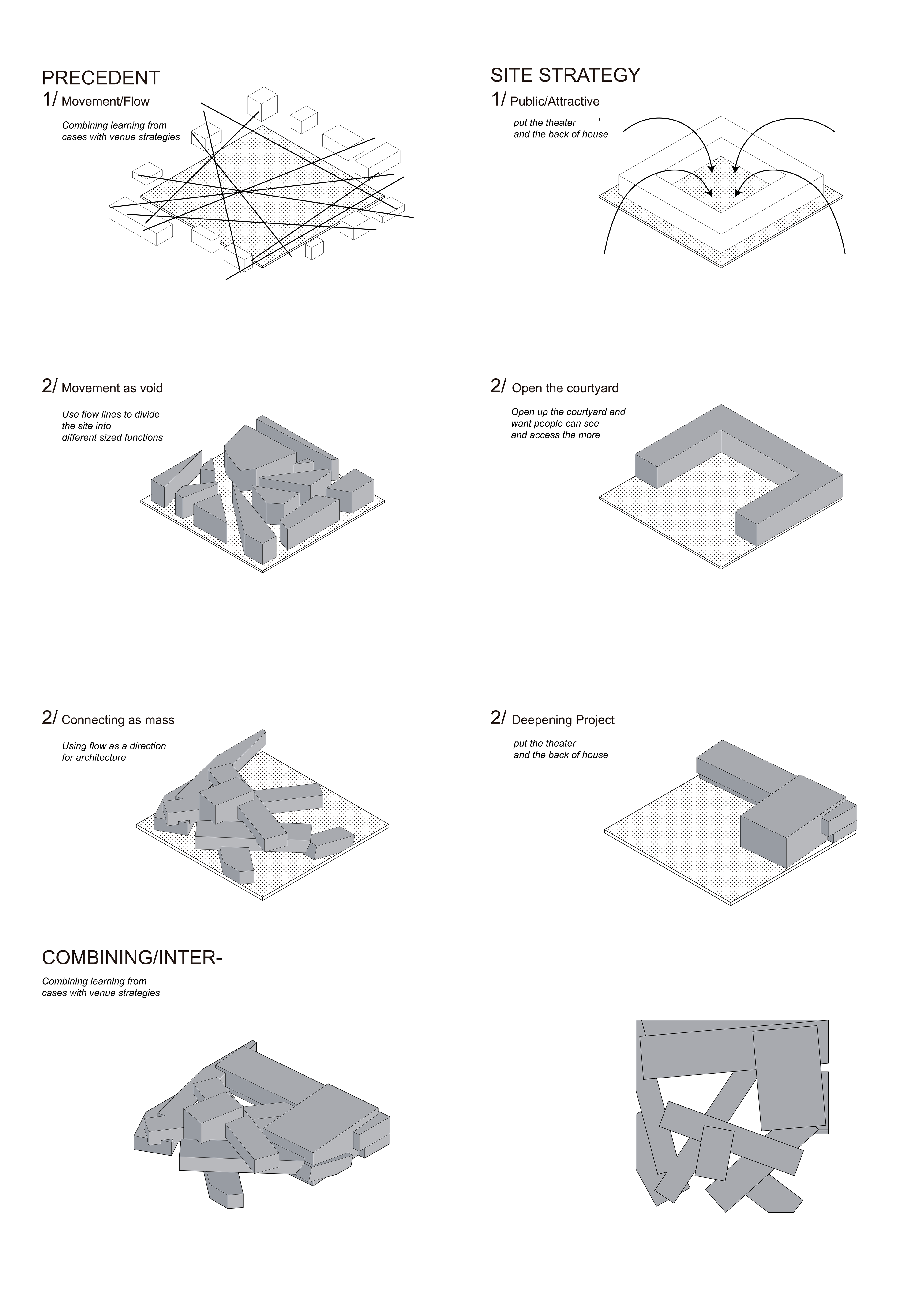
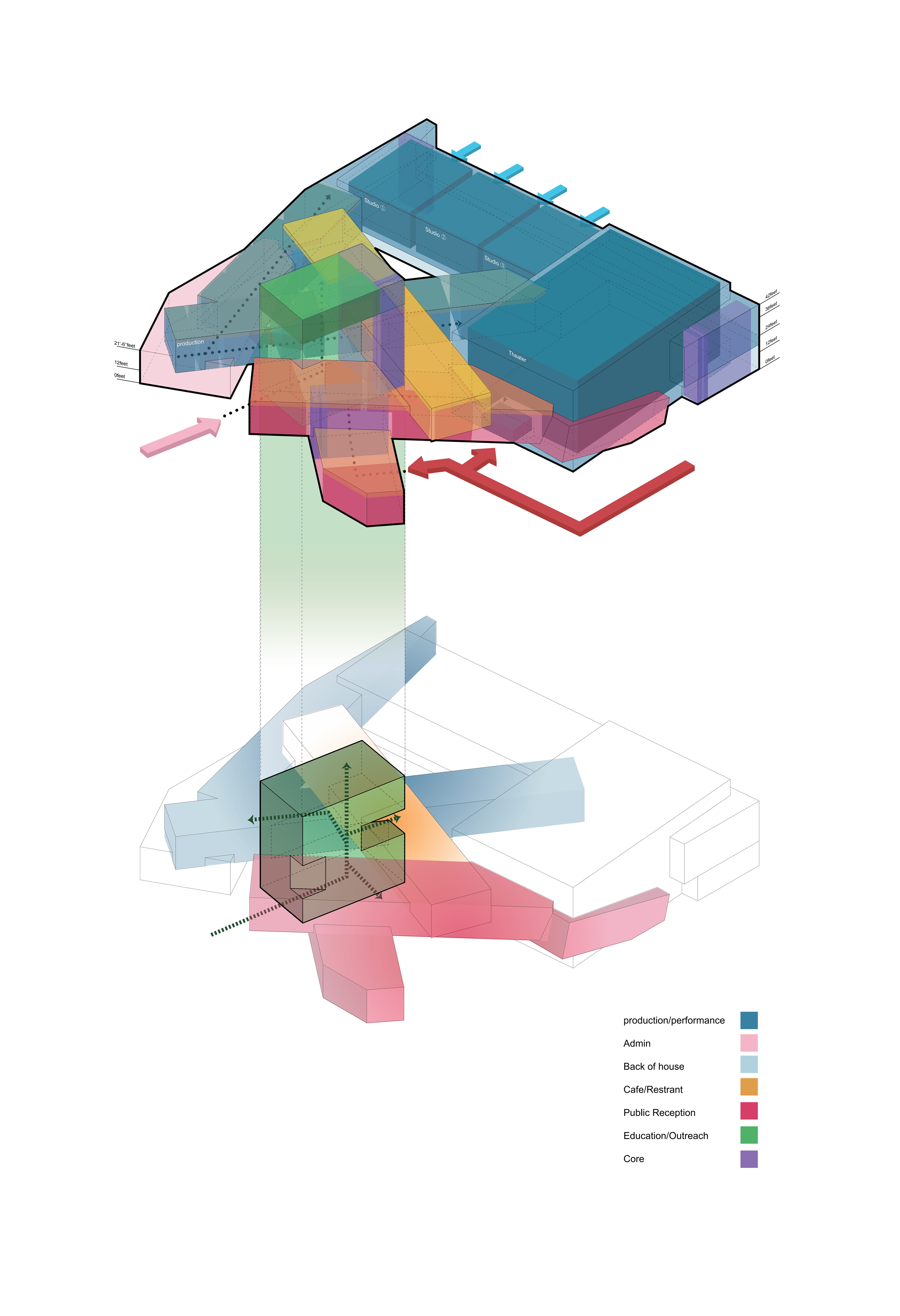
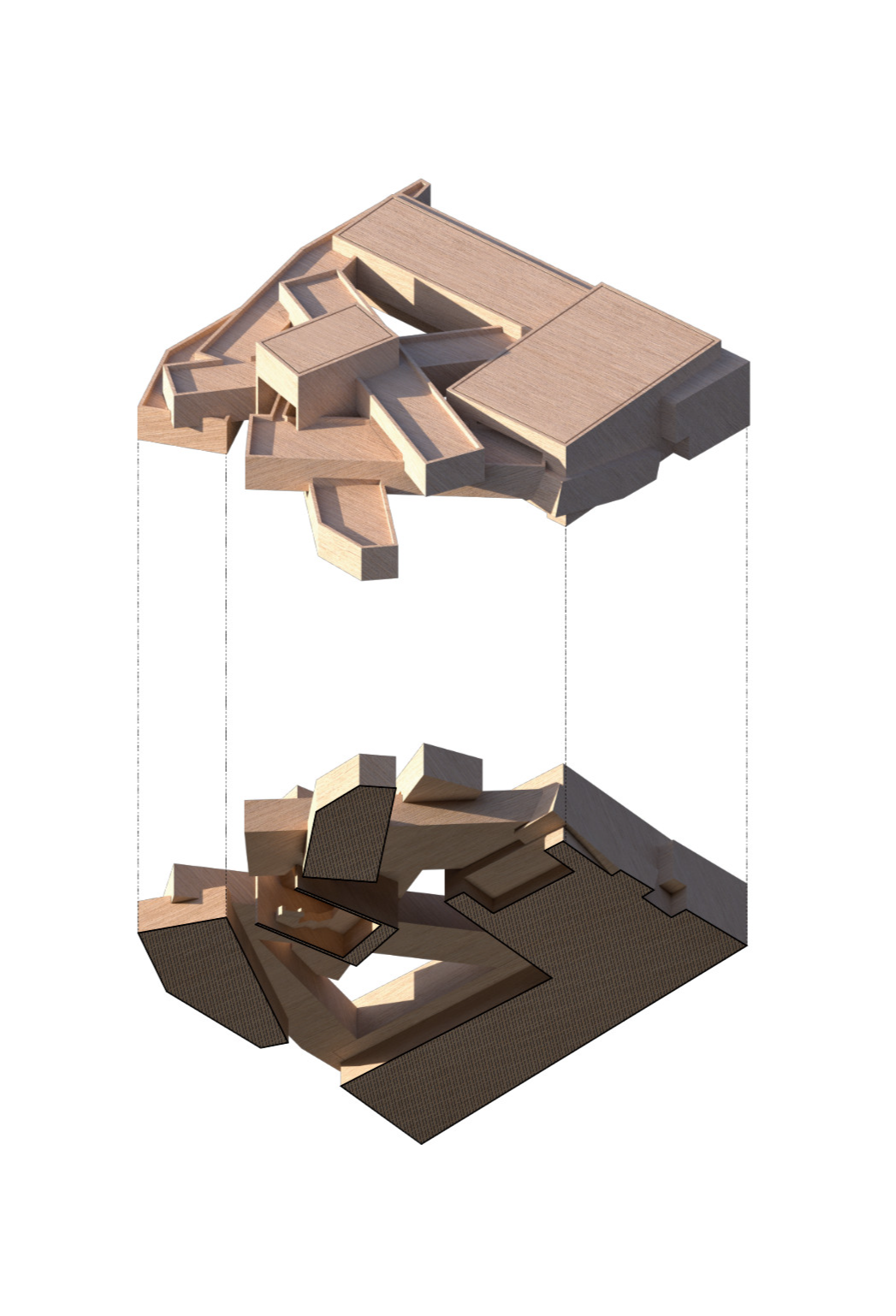
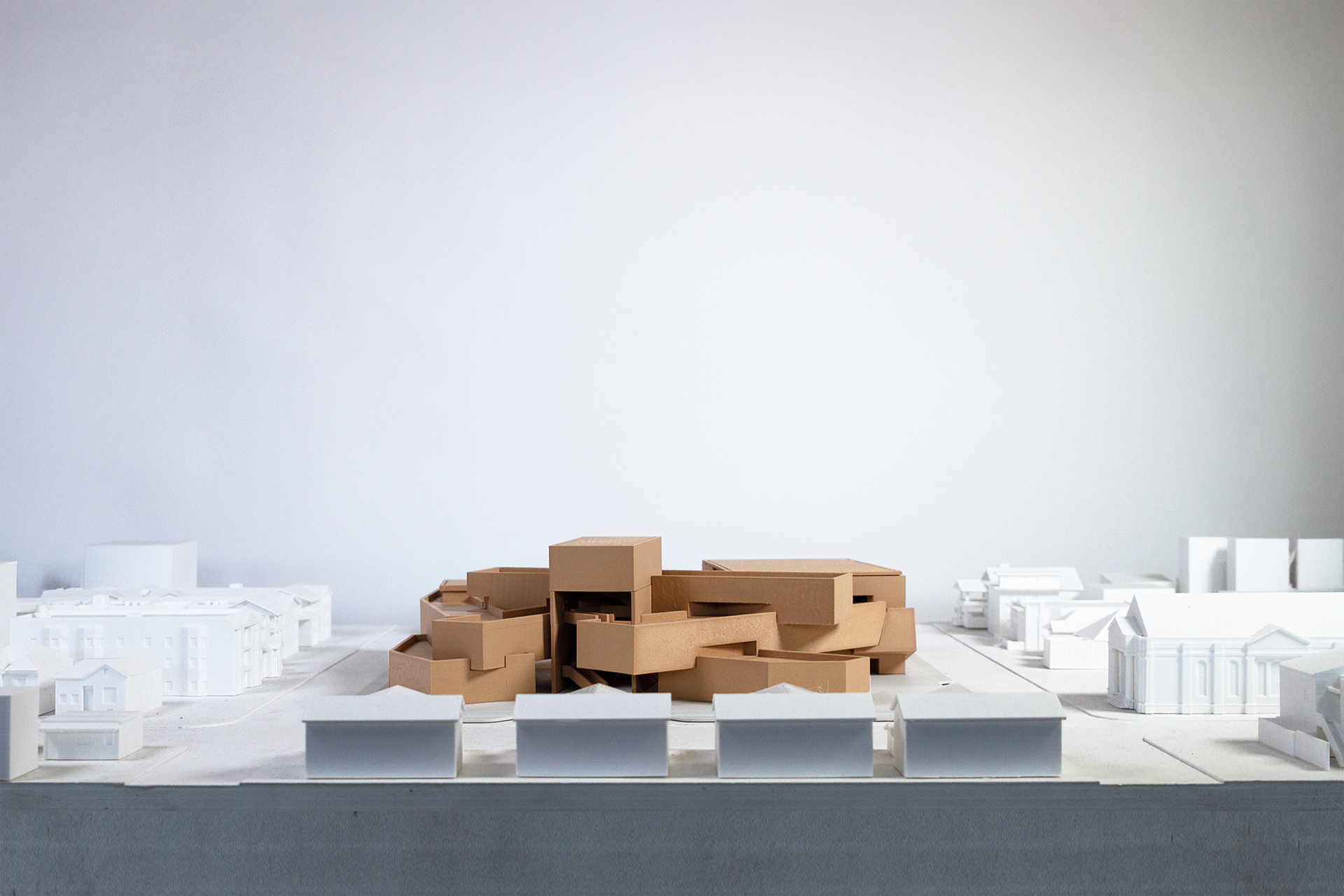
Diagrammatic Translation: Mass, Program, and Perception
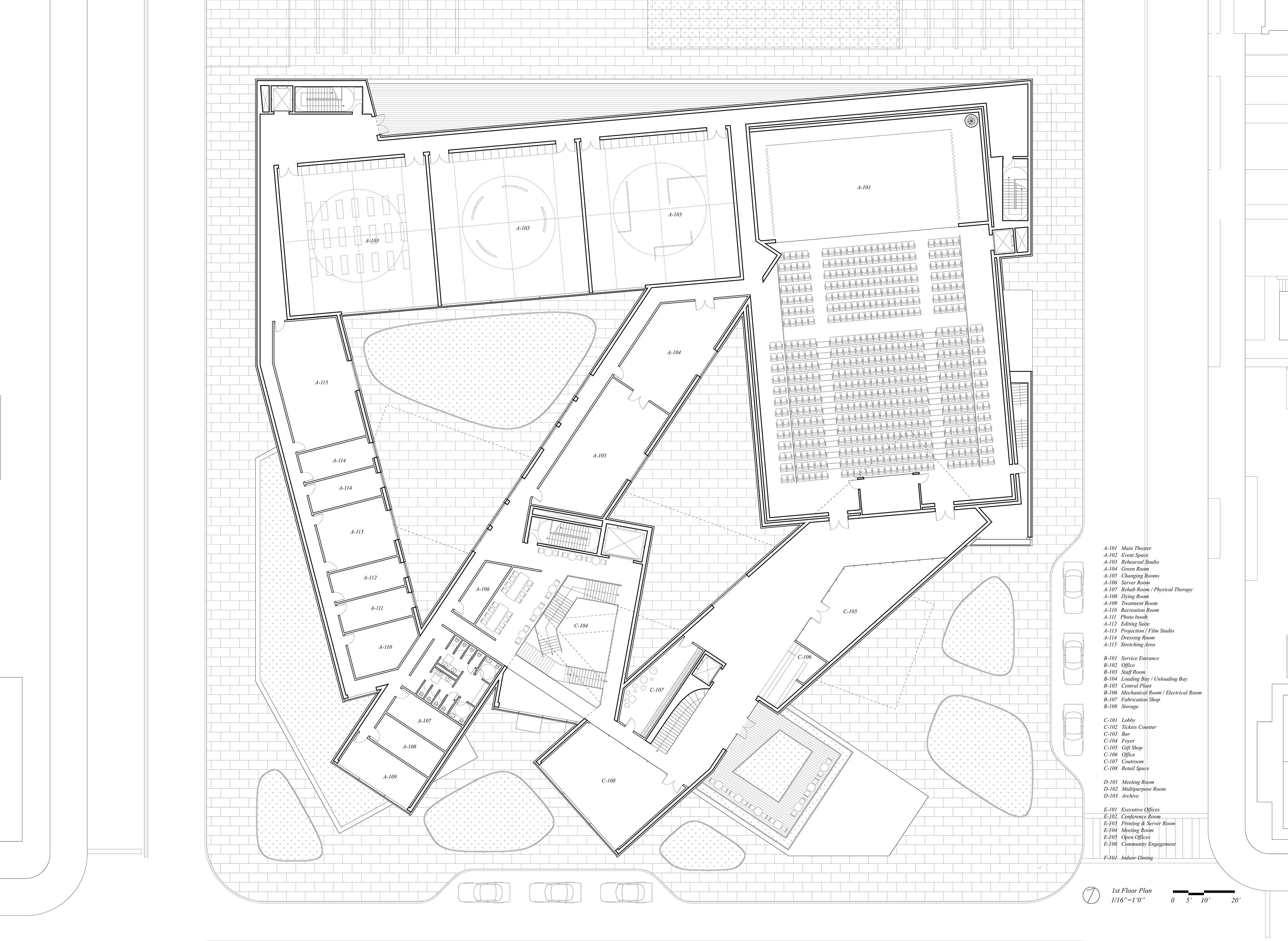
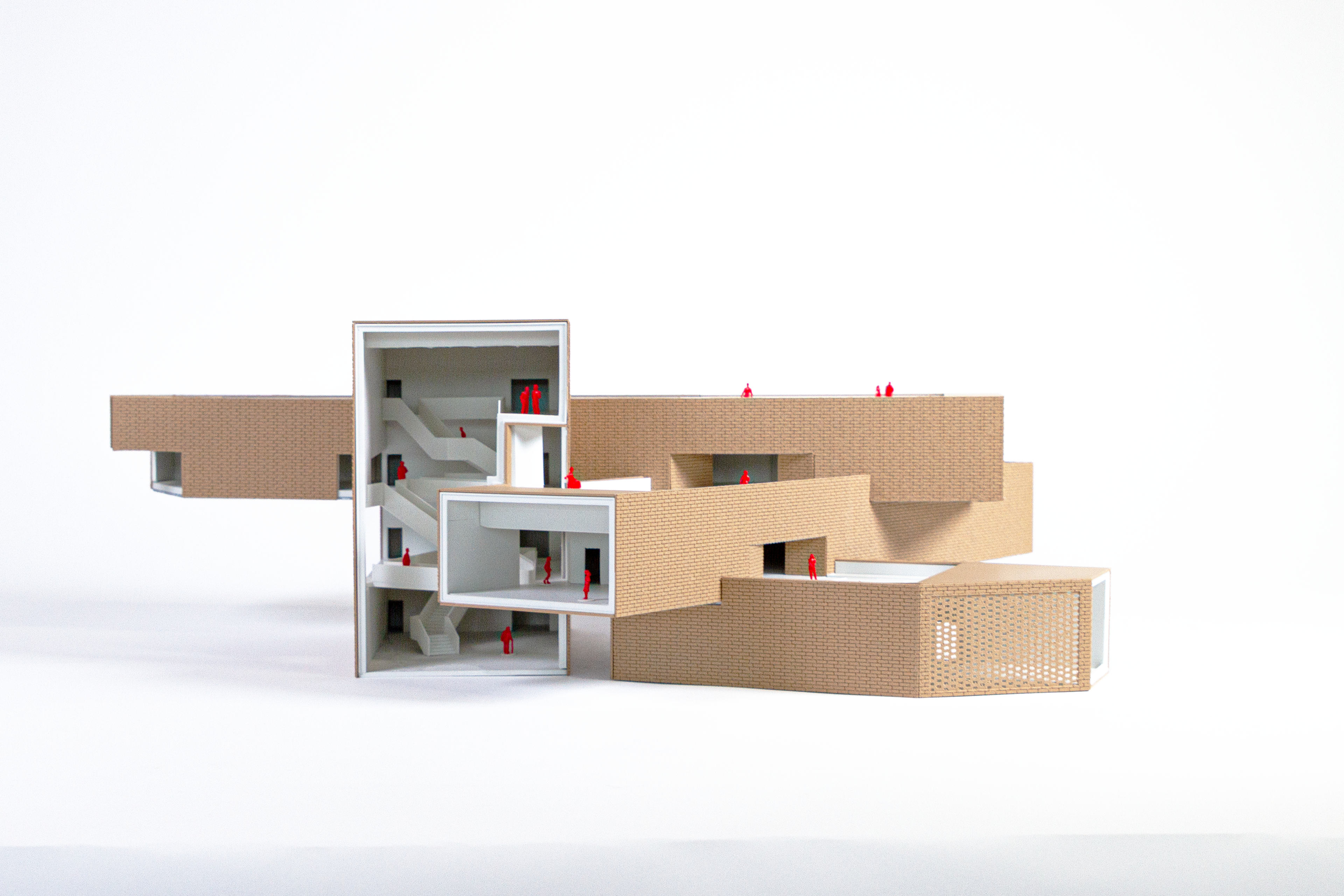
This page traces the translation from massing generation to programmatic organization and spatial experience.
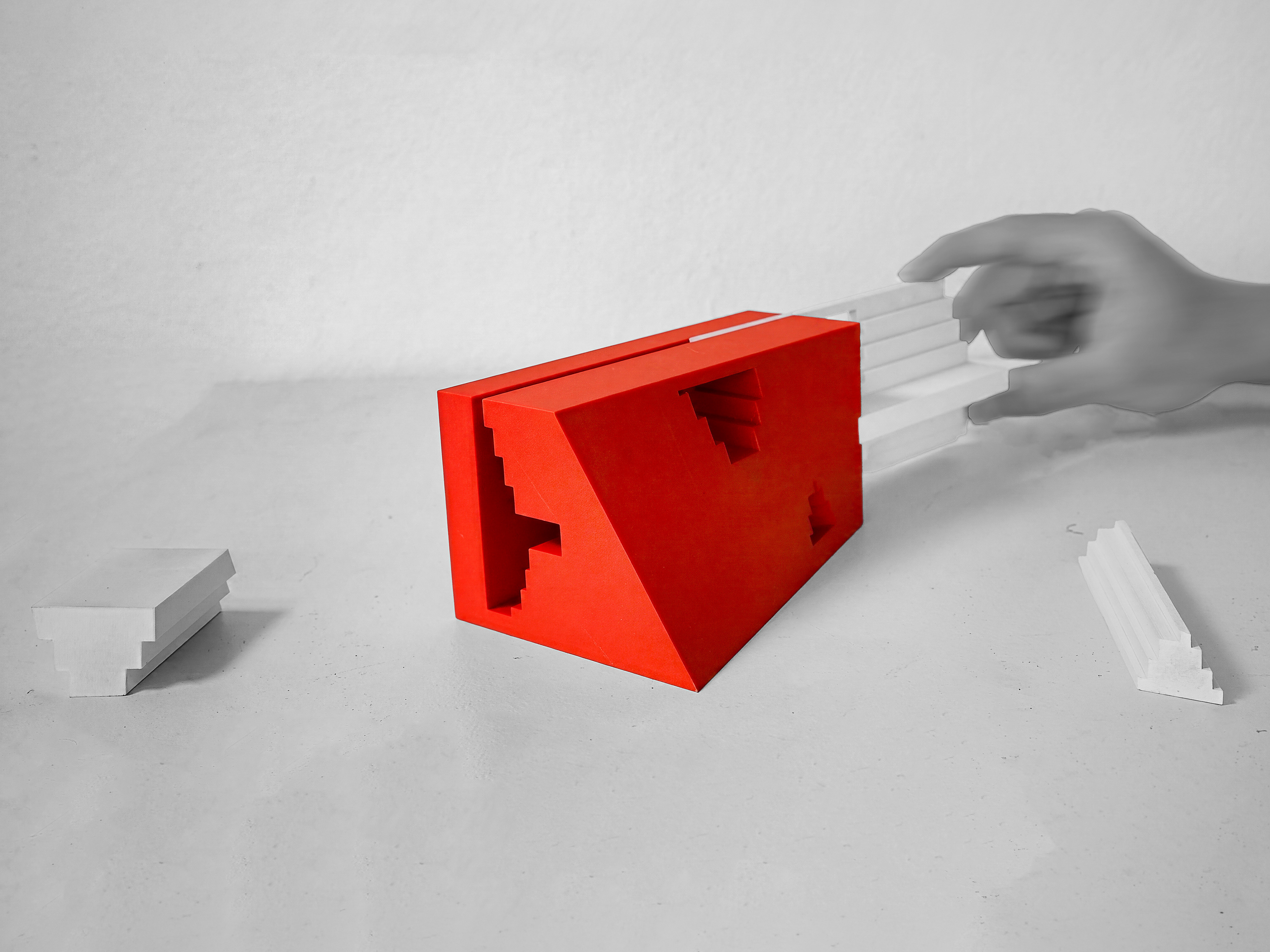
Through physical models and analytical diagrams, the project demonstrates how circulation-driven form evolves into a legible architectural system and an inhabitable spatial sequence.
Through physical models and analytical diagrams, the project demonstrates how circulation-driven form evolves into a legible architectural system and an inhabitable spatial sequence.
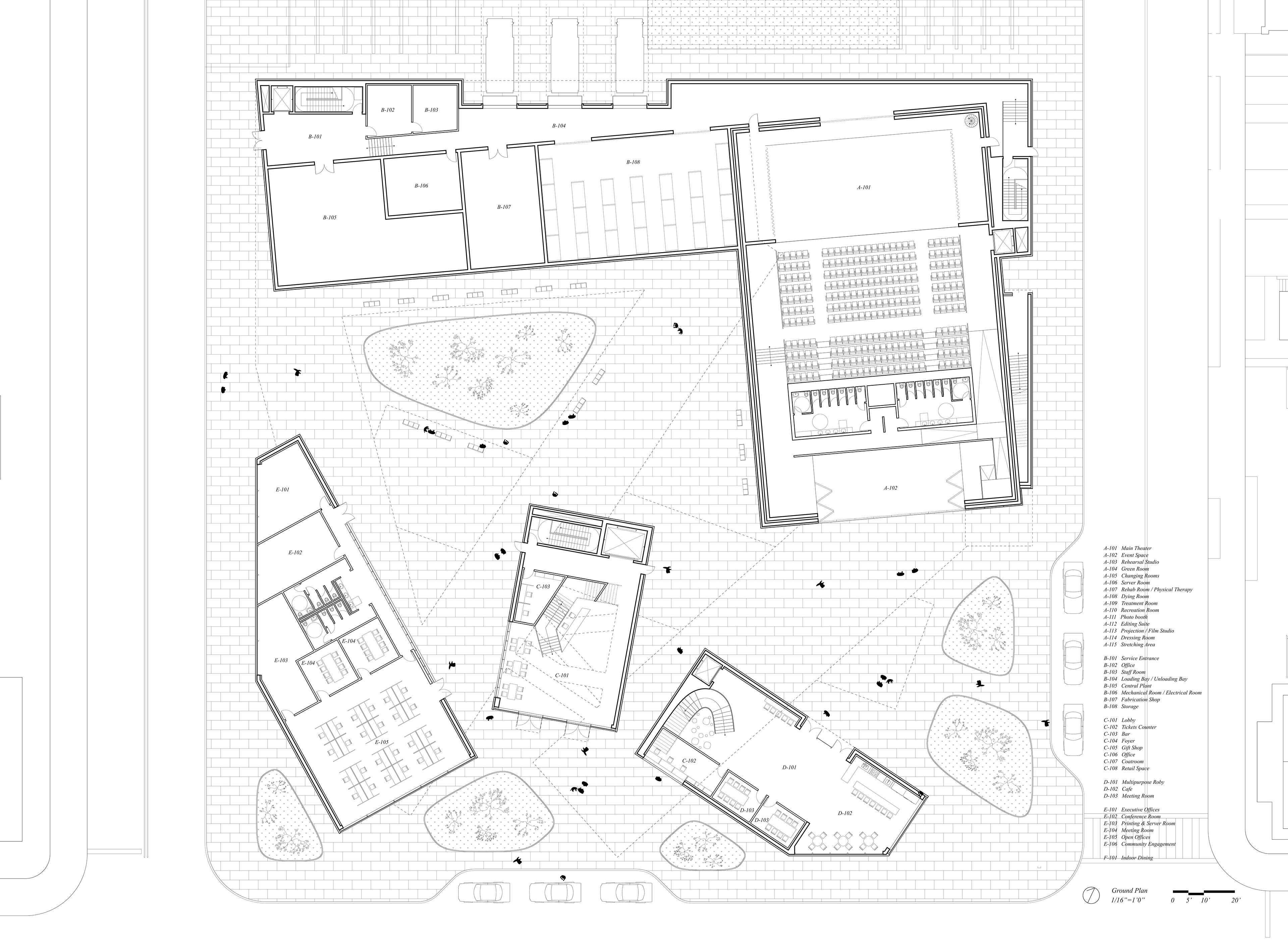
chunk model
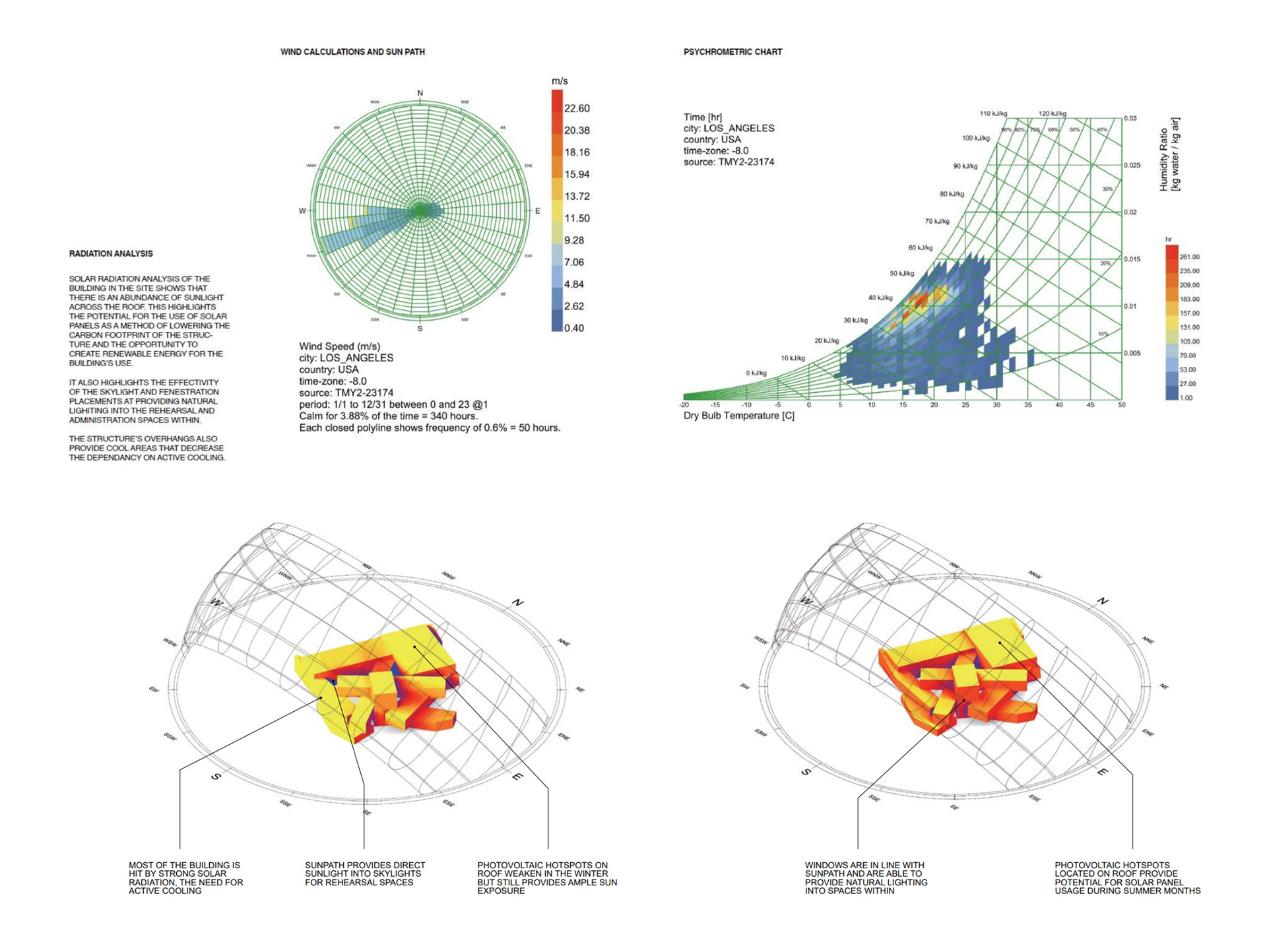
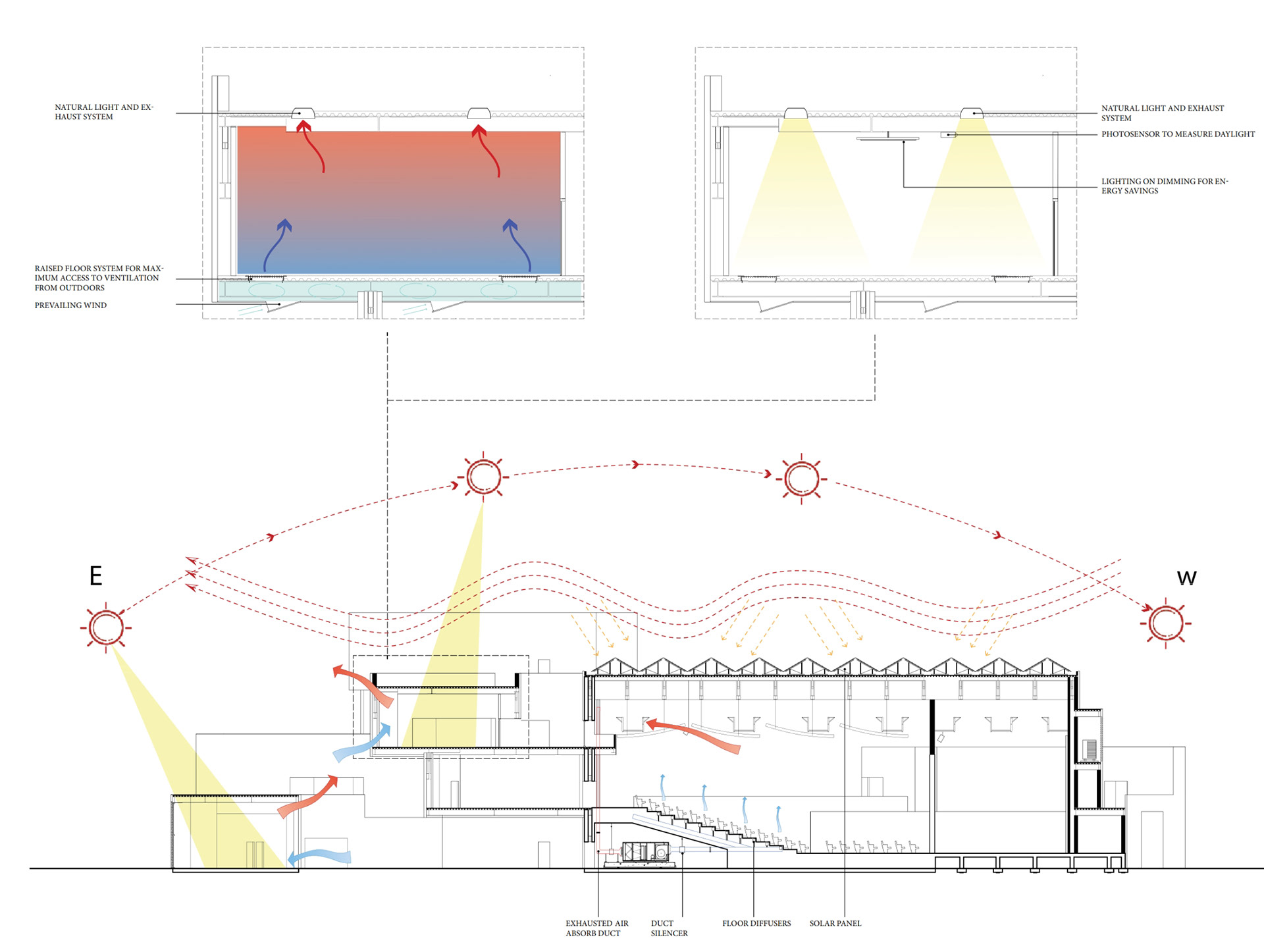
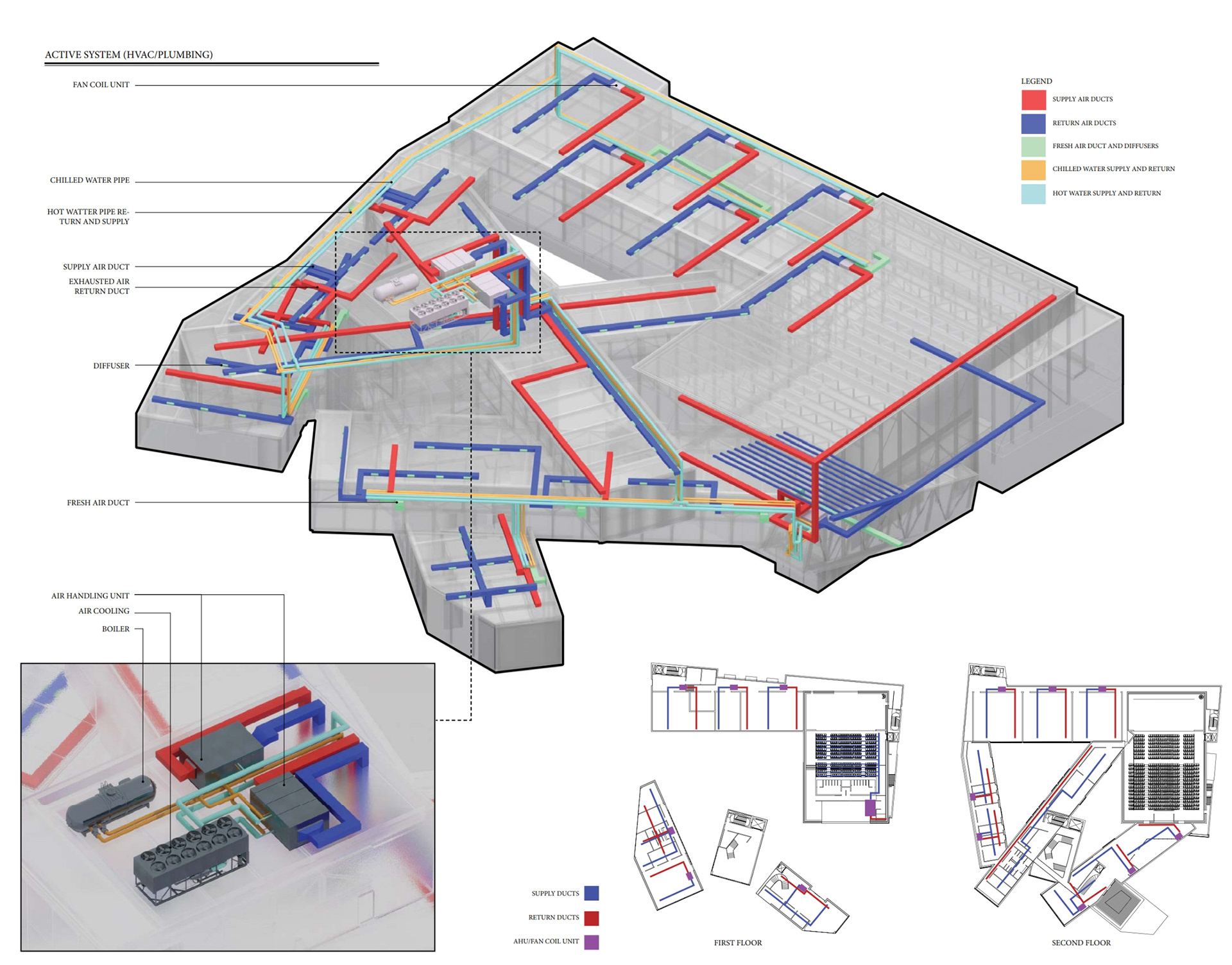
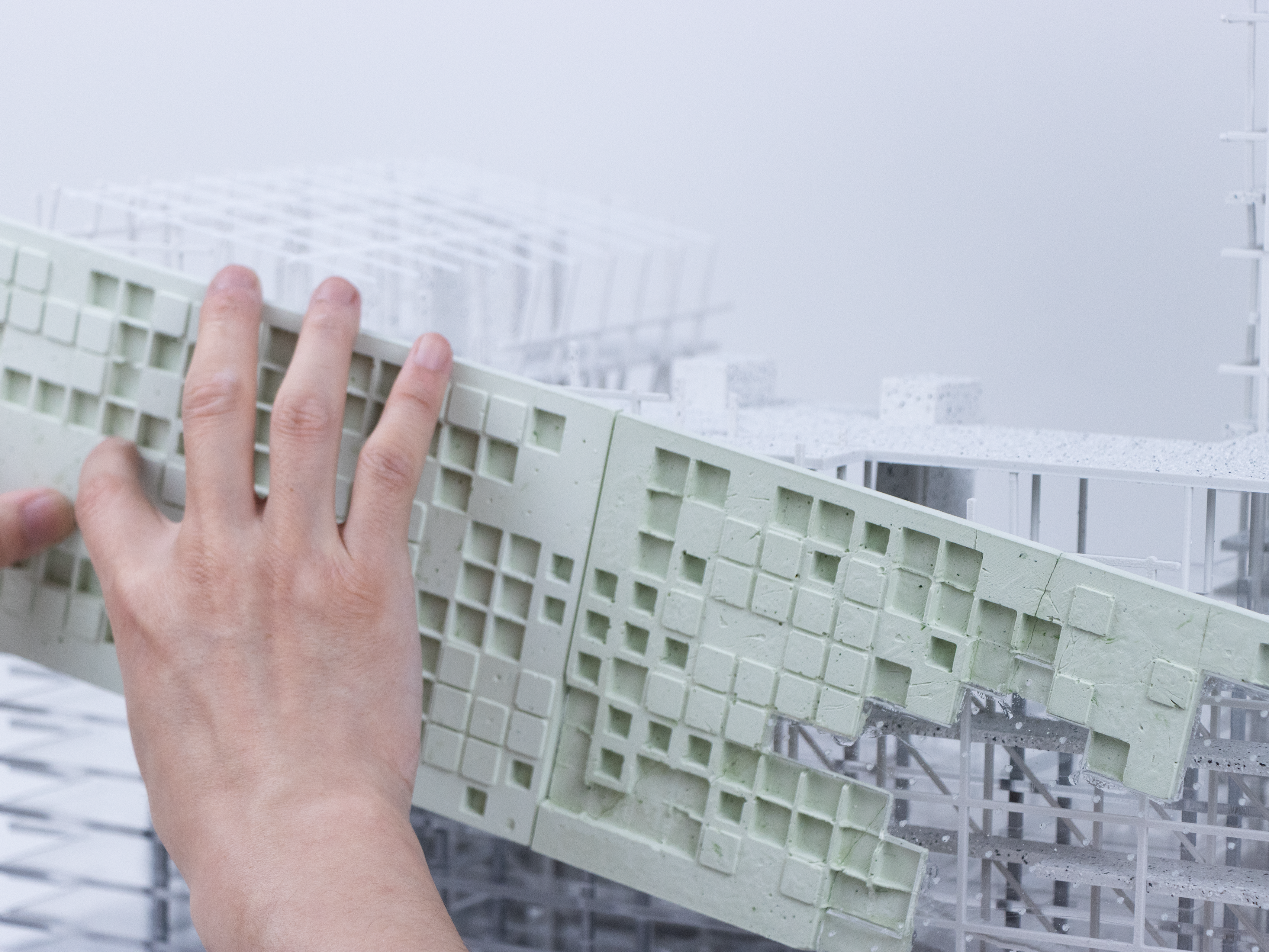
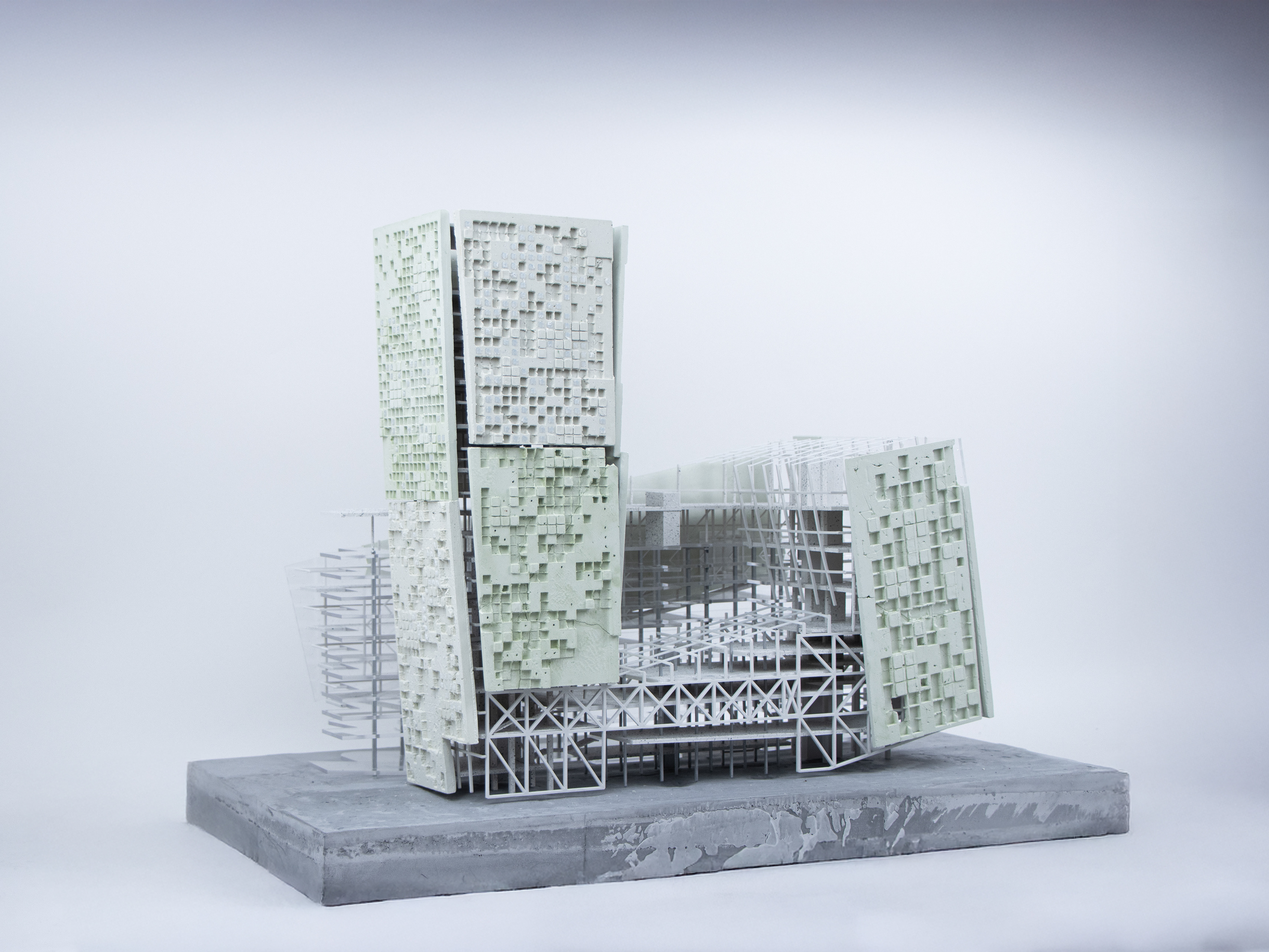
Design Development transforms an architectural concept into a buildable system. This course focused on how environmental analysis, daylight, ventilation, HVAC, plumbing, structure, and envelope systems work together to shape the final building. Through sectional studies, technical diagrams, and system coordination, the project reveals that construction is not only a technical process, but also a design language. The beauty of construction lies in making invisible forces—air, light, heat, water, and structure—visible within architecture.
CHUNK ANIMATION 1
CHUNK ANIMATION 2
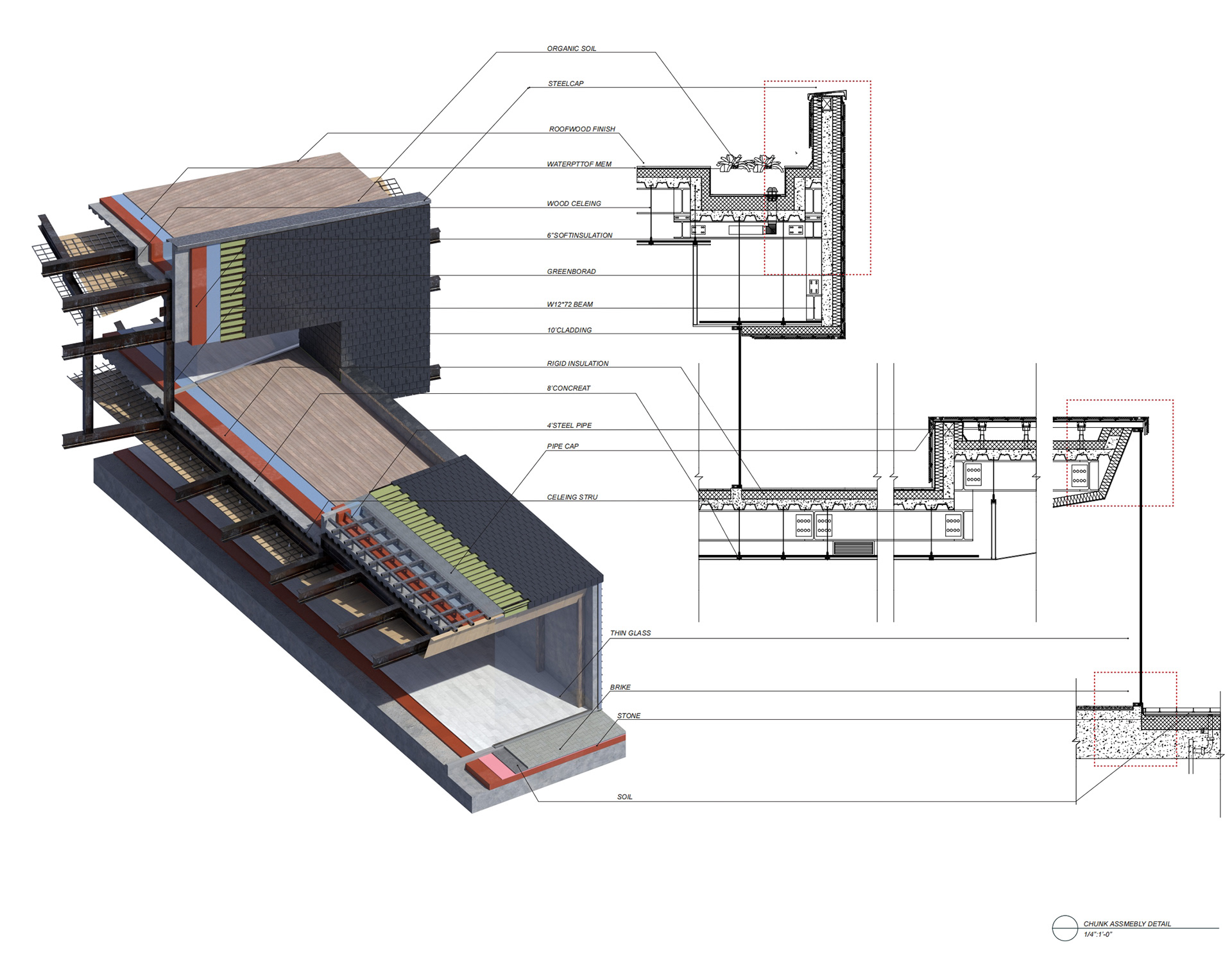
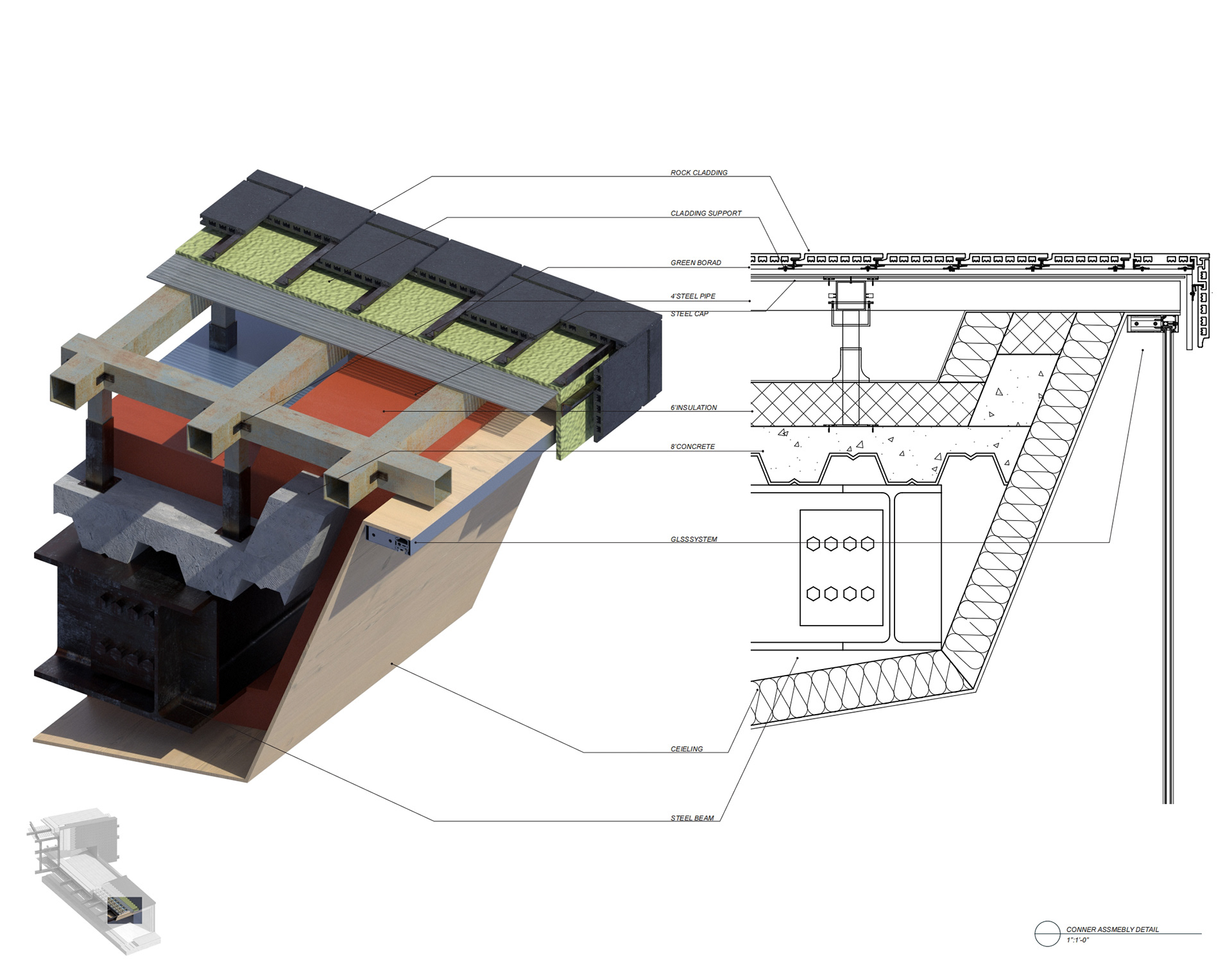
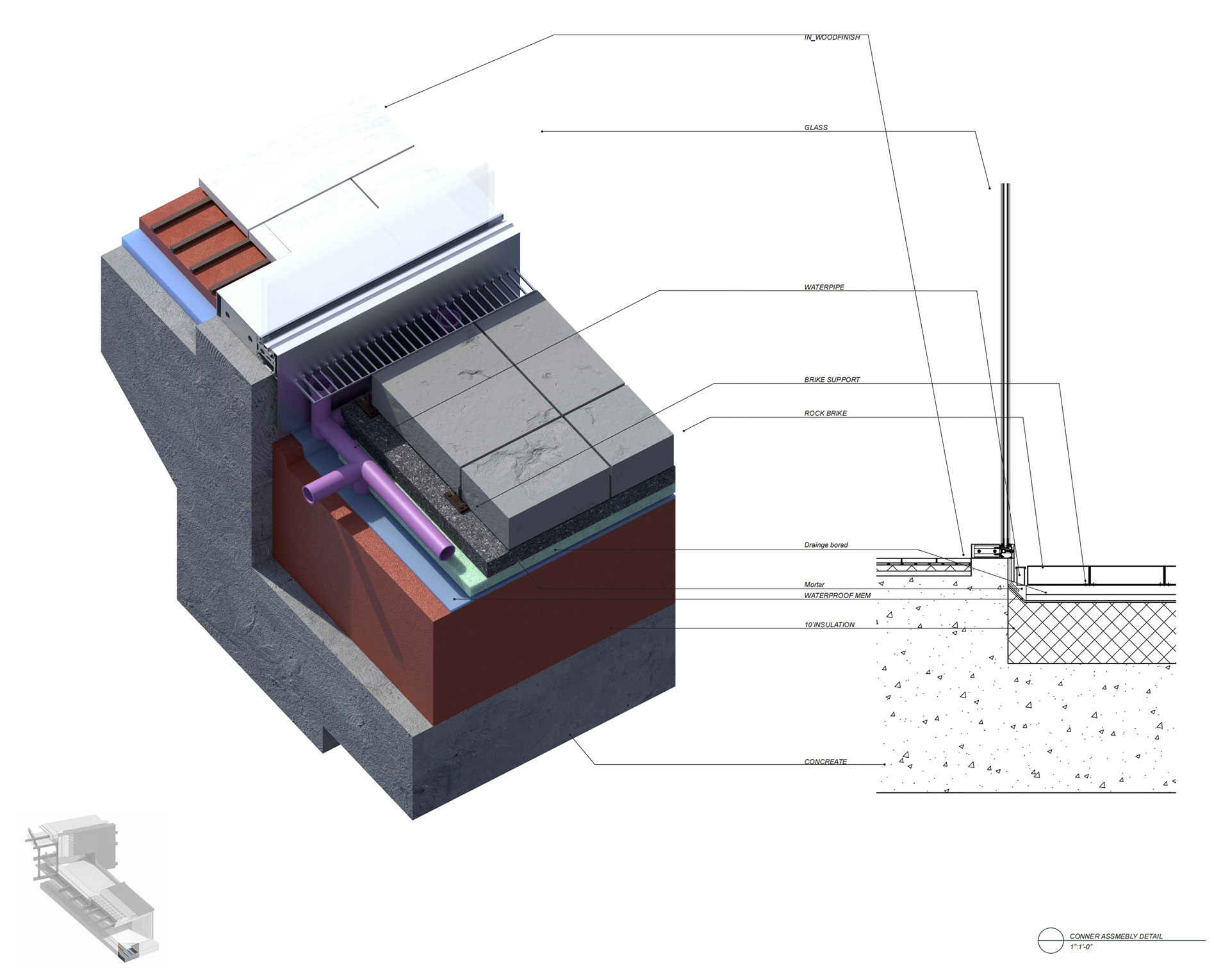
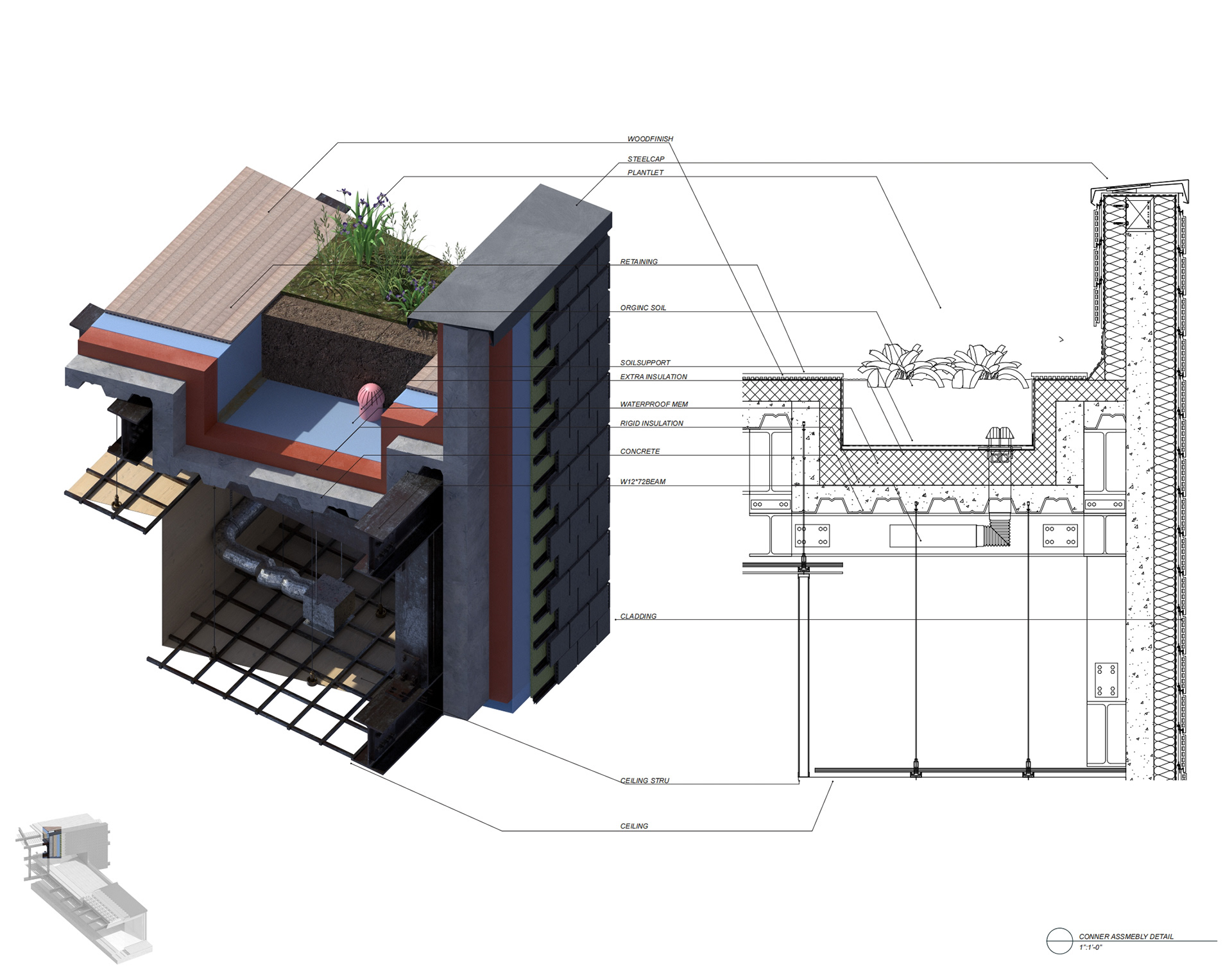
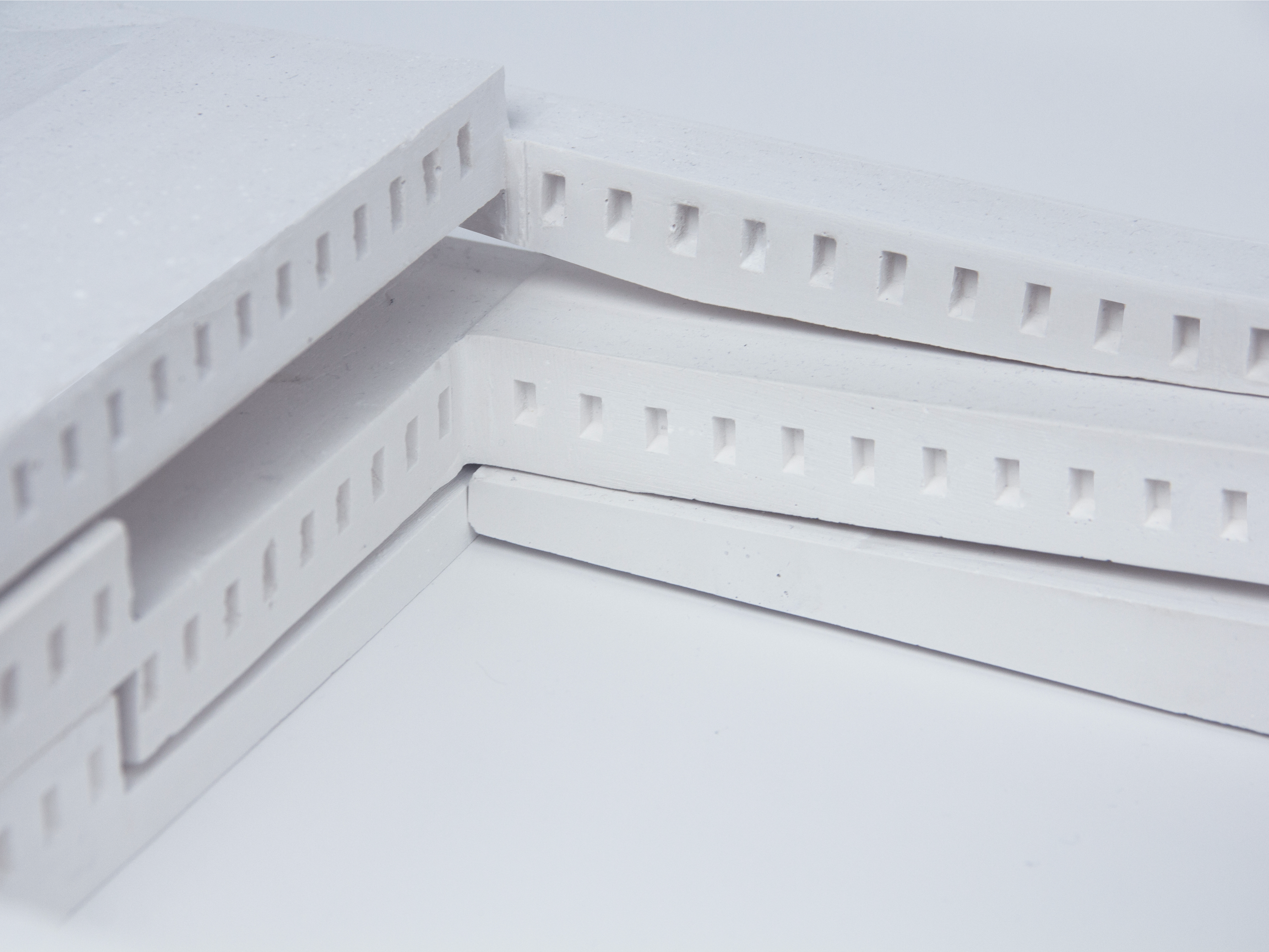
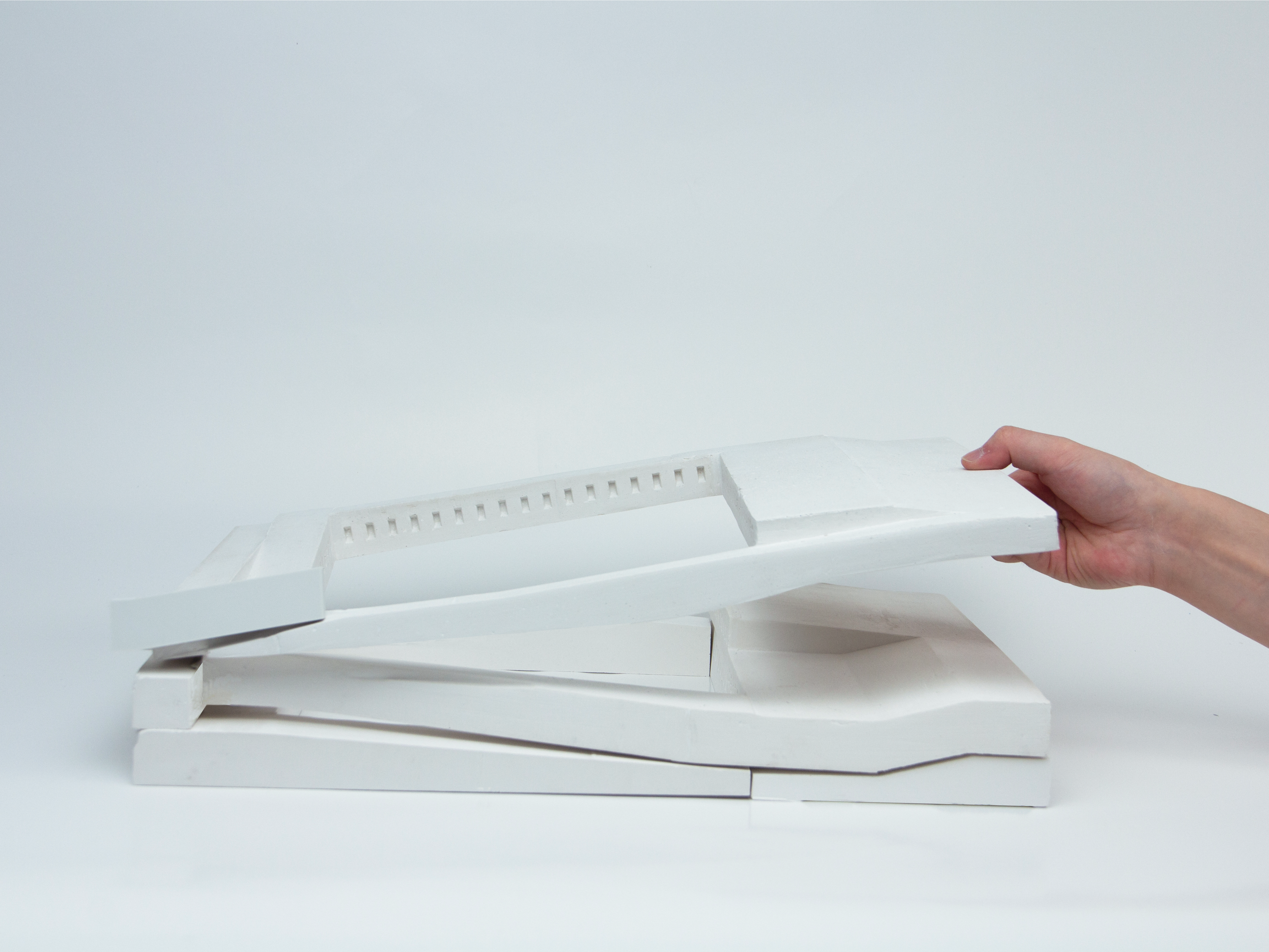
This page studies the architectural chunk as a buildable assembly. By combining exploded models, technical sections, material layers, and animation studies, the project shows how structure, envelope, waterproofing, insulation, ceiling, and planting systems are coordinated into one construction logic. The beauty of the project comes from making the assembly process visible.
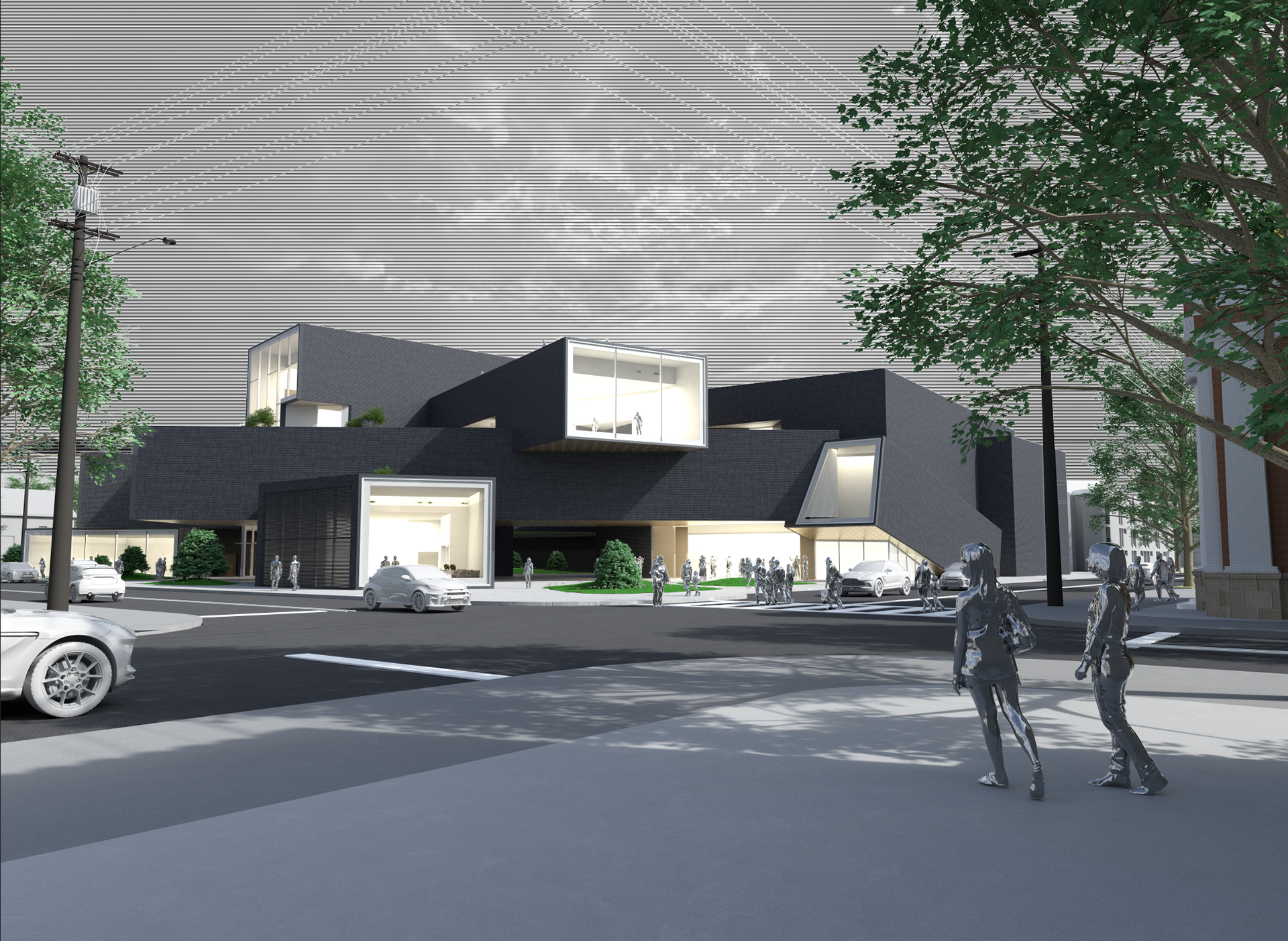
Choreographed Stack uses choreography as a design strategy, transforming movement into architectural form. Through stacked volumes, intersecting ramps, and a central courtyard, the project creates a theater and community center where performance, circulation, and public life come together.