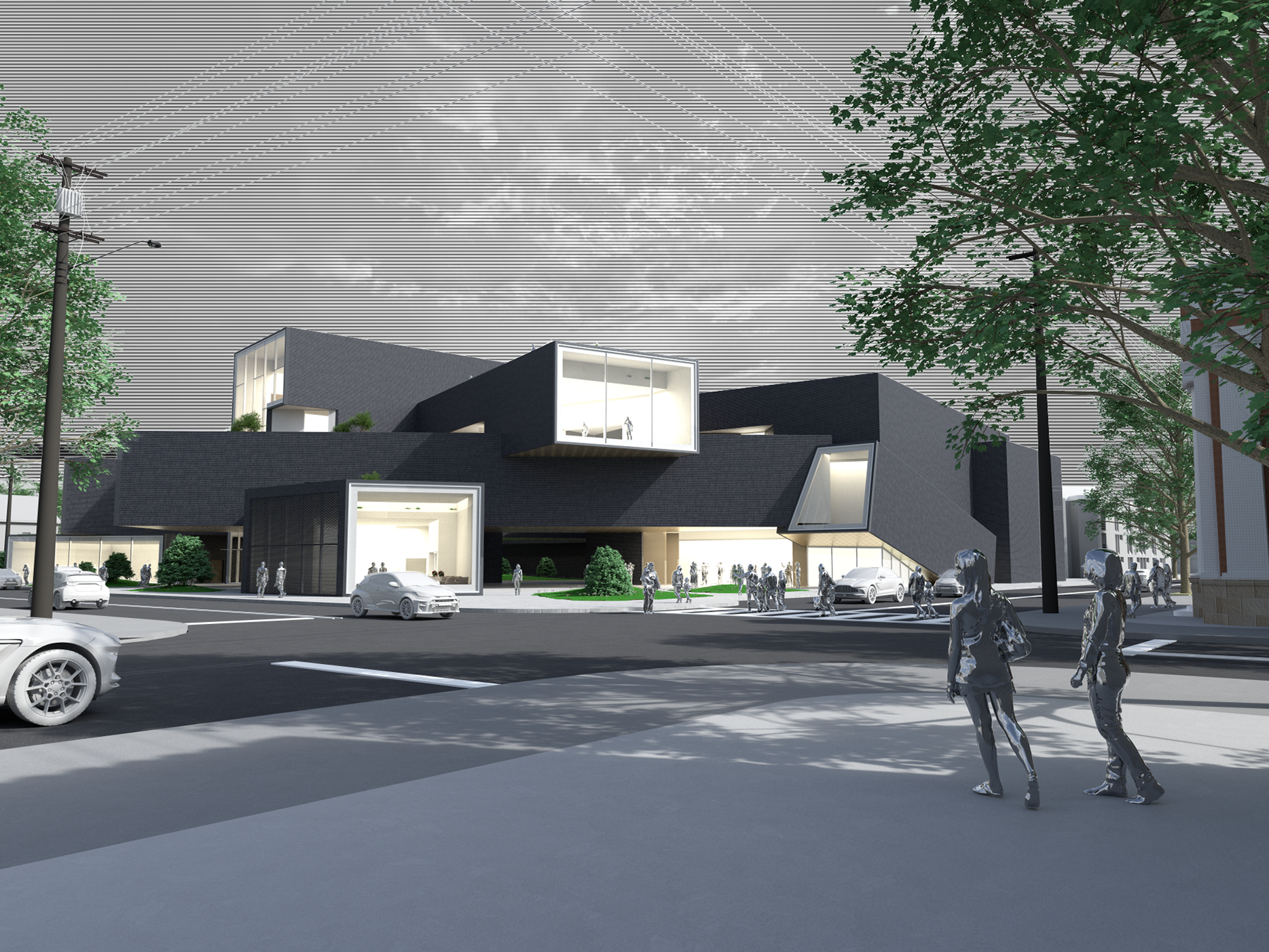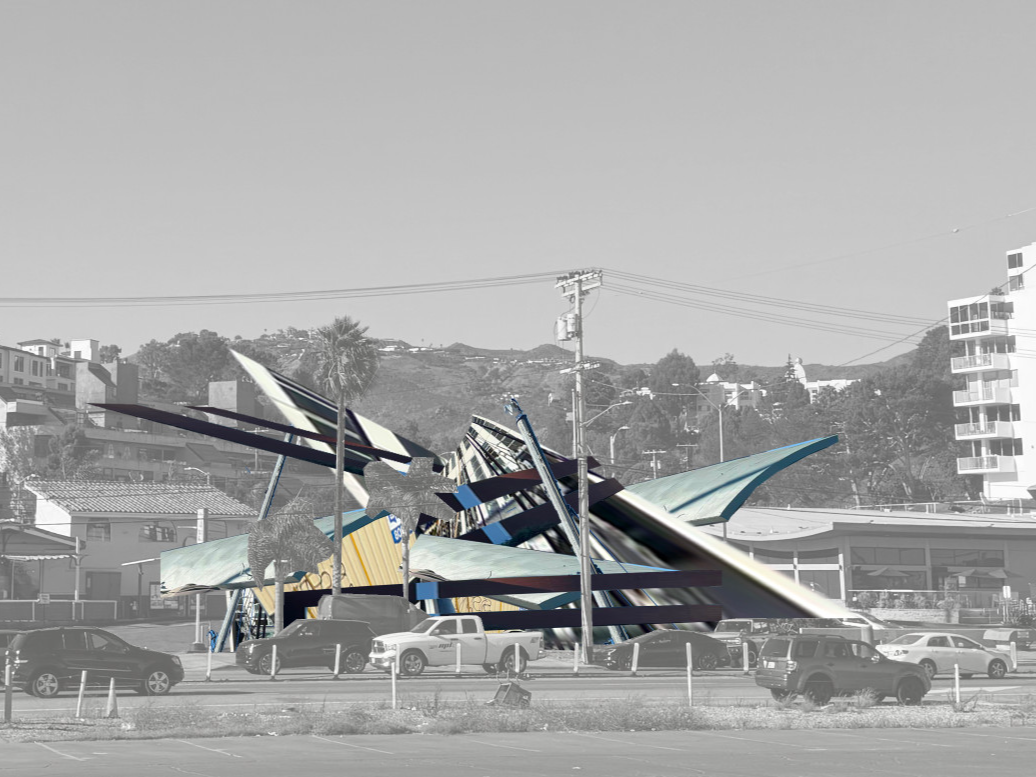
MEASUREROOM explores the relationship between gallery and theater through visual rhythm, folded grids, and spatial separation. The project begins with a series of tape studies on square sheets of paper, using different colors, widths, and spacing to generate varied grid conditions. These studies focus on how color creates unique visual effects, and how overlapping layers of tape produce moments of depth, hierarchy, and visual tension.
Through bending, folding, and mirroring, the flat grid is gradually transformed into an architectural surface. The project uses this process to test how graphic patterns can become spatial systems, shaping circulation, enclosure, and perception. In the final proposal, the gallery and theater are organized as two architectural bodies held in close tension. The space between them becomes an active gap, allowing light, vision, and movement to pass through while preserving their separation.
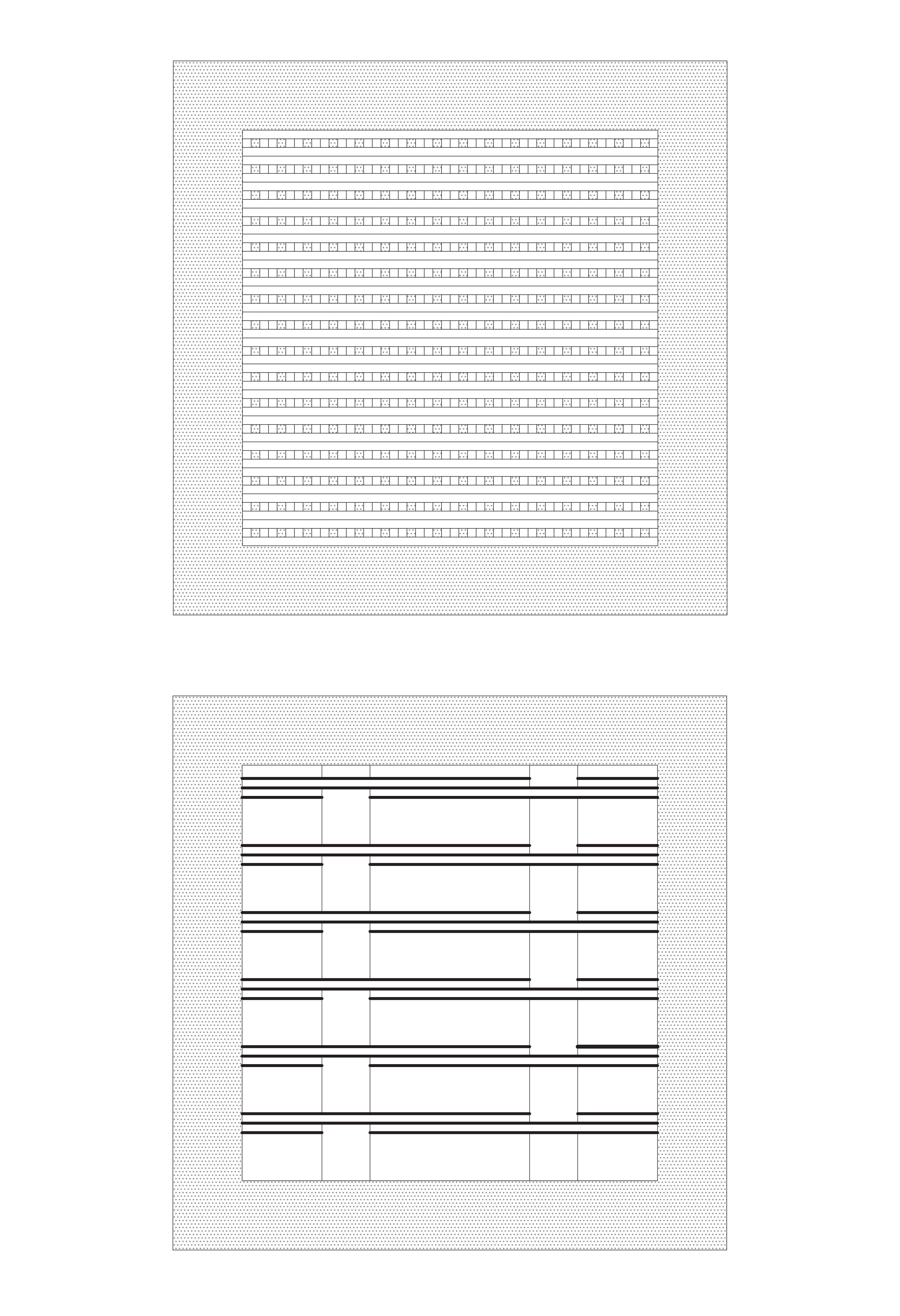
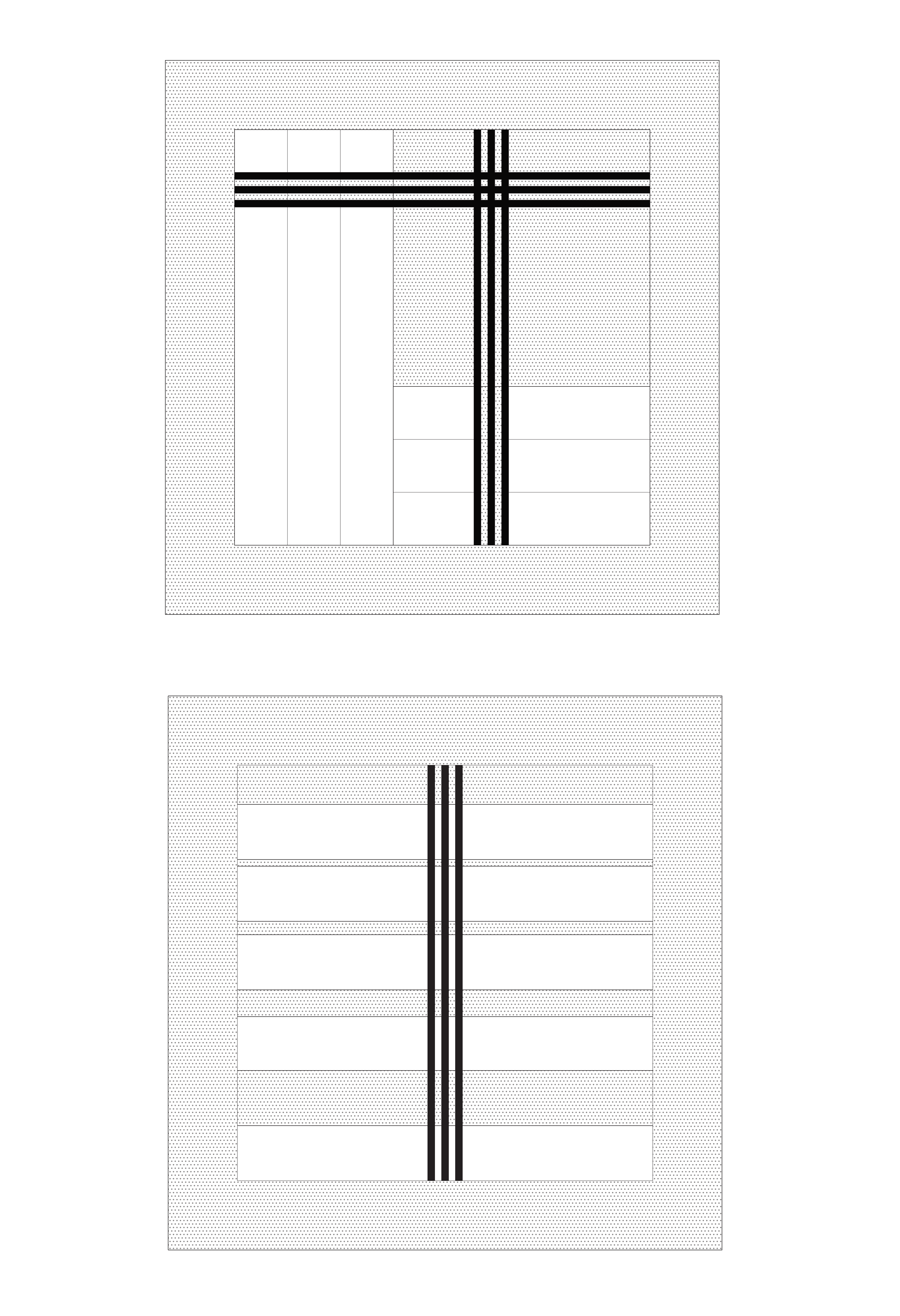
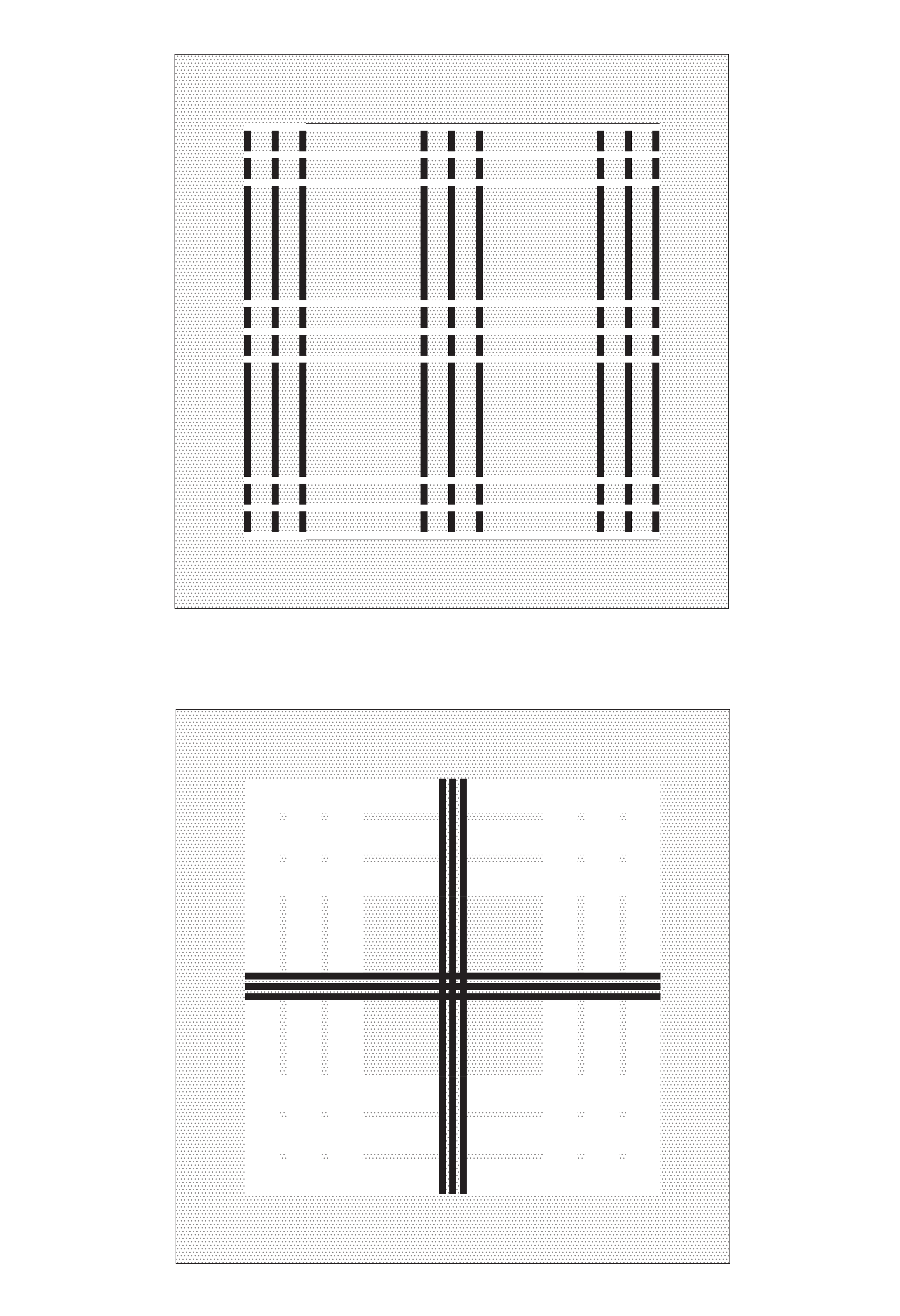
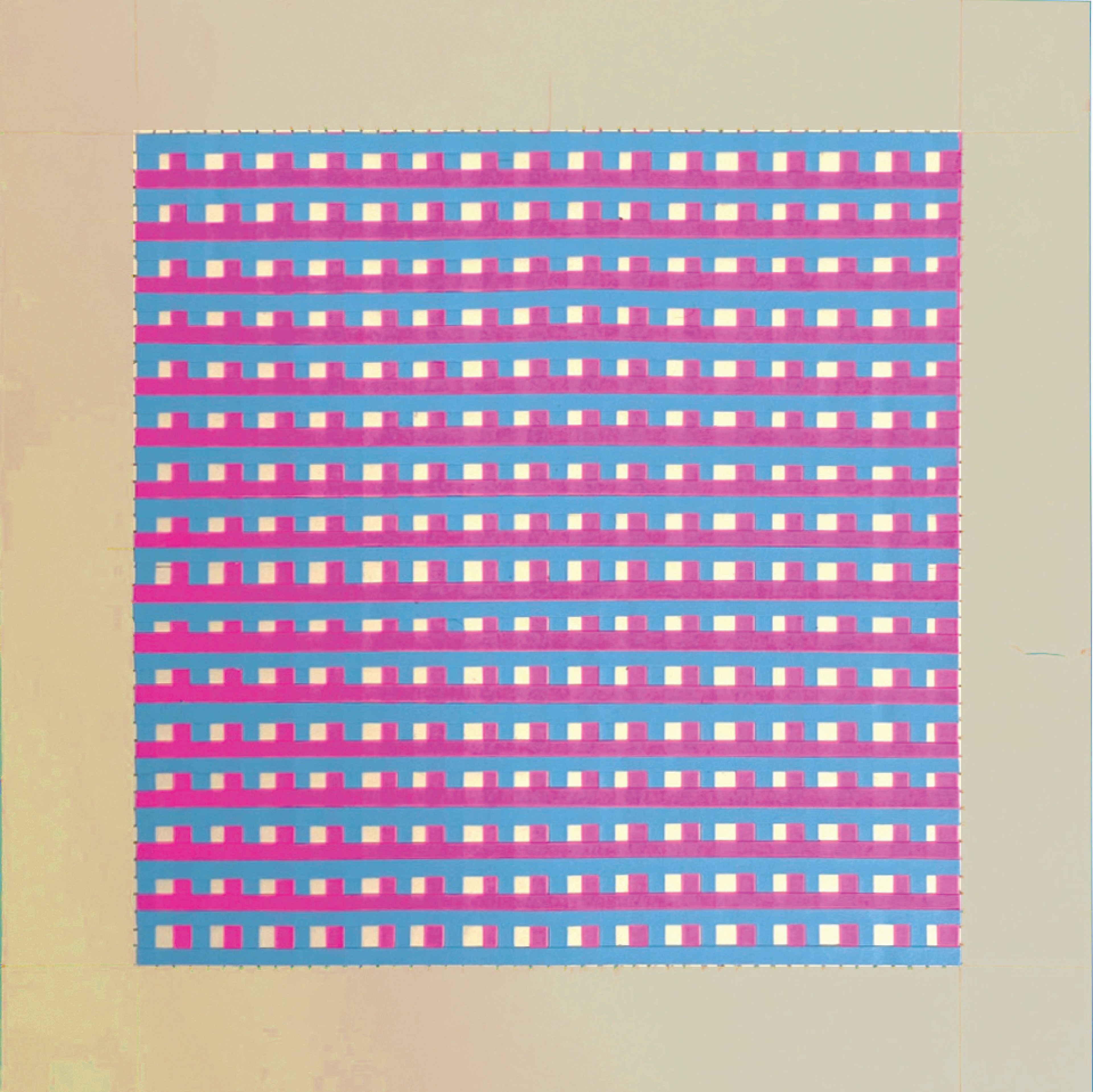
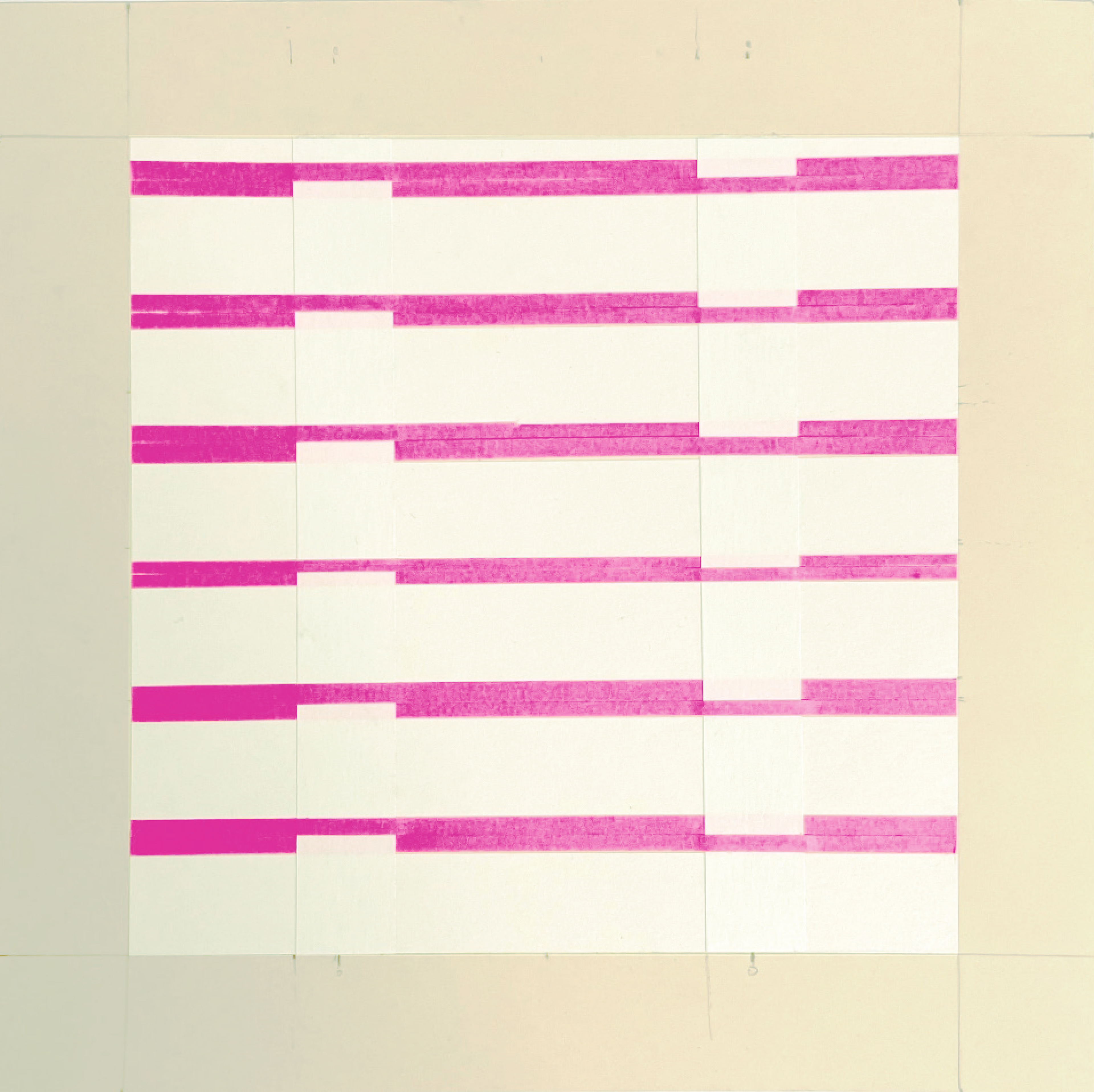
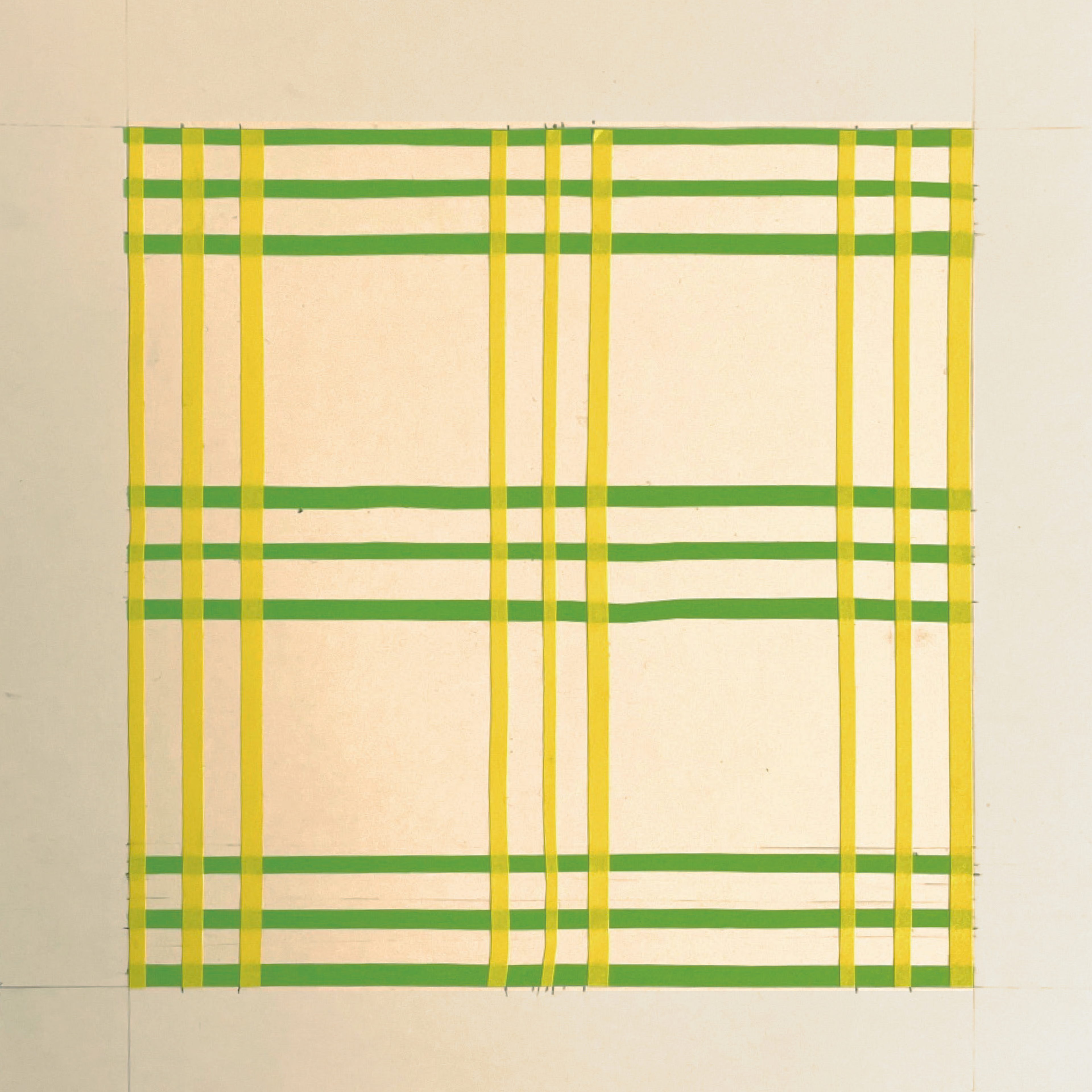
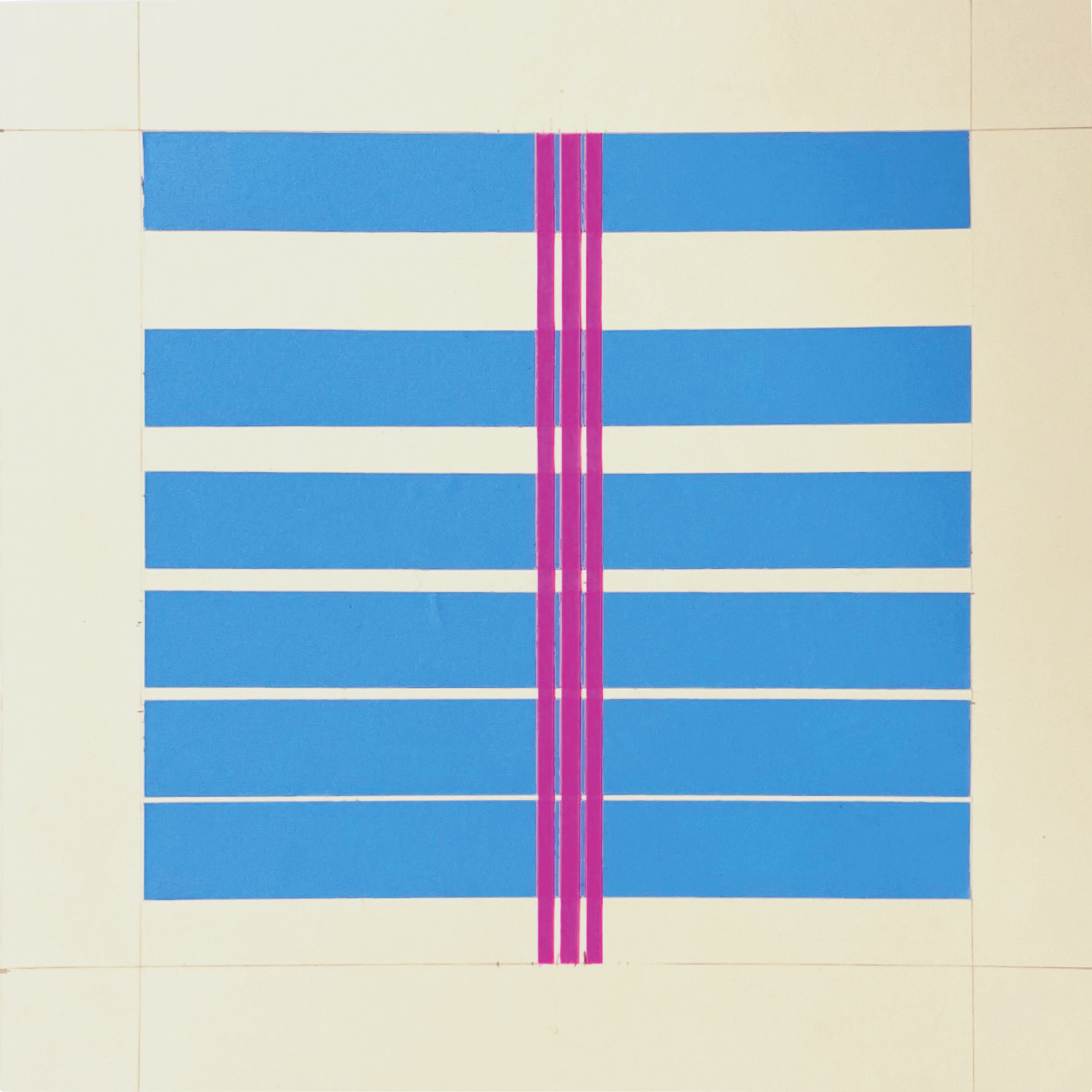
At the beginning, I used paper tape on square sheets of paper to create different forms of grids through variations in color, width, and spacing. My focus was not only on the grid itself, but also on how the colors of the tape could produce unique visual effects. I was especially interested in how different layers of tape overlap, intersect, and pass through one another, creating moments of depth, rhythm, and visual tension within a flat surface.
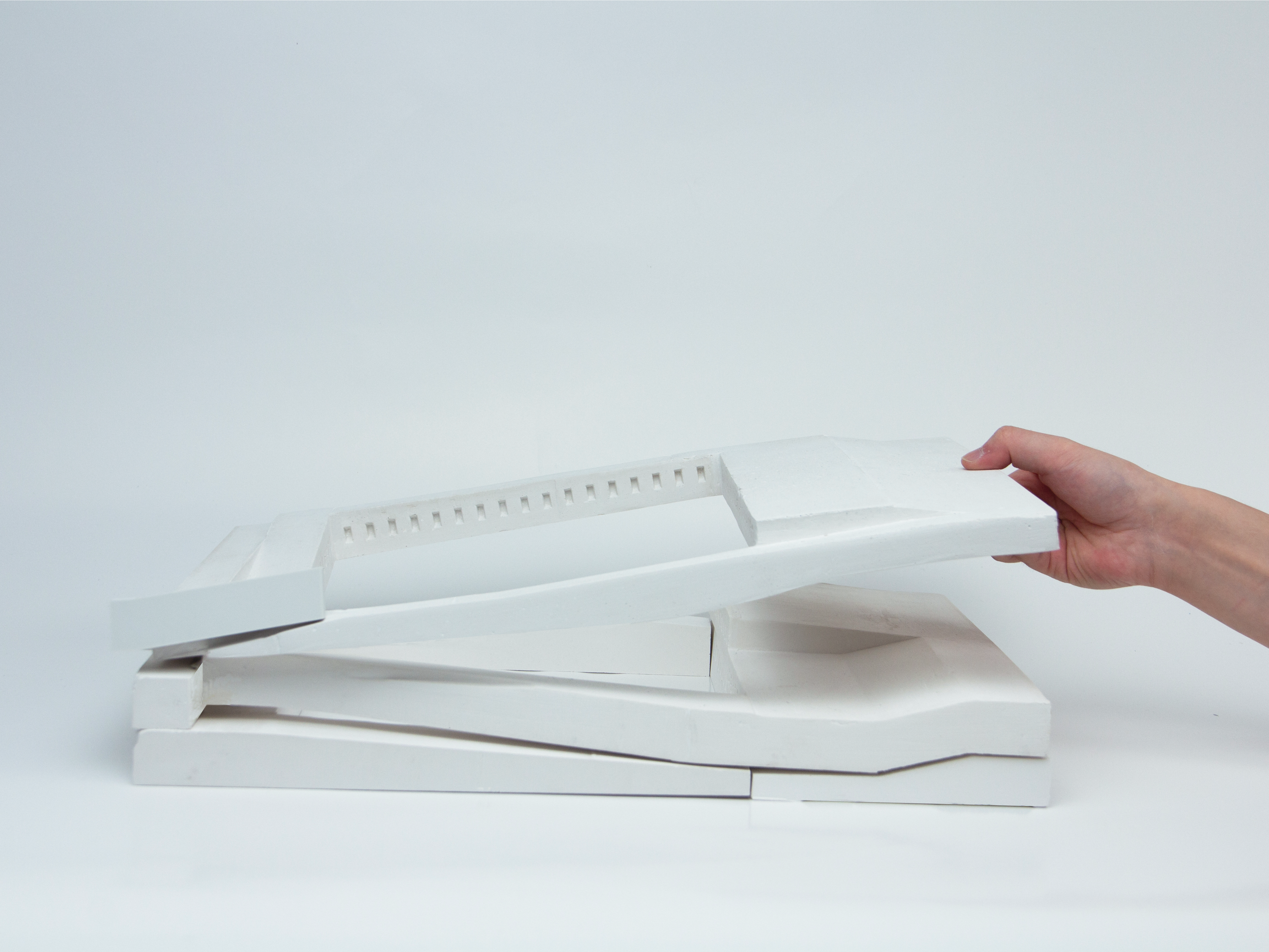
Next, I used tape and a larger sheet of paper board to build a physical model. I began testing how the flat grid could be folded into a three-dimensional surface, while using small clips and supports to hold the paper board in place and control its bending.
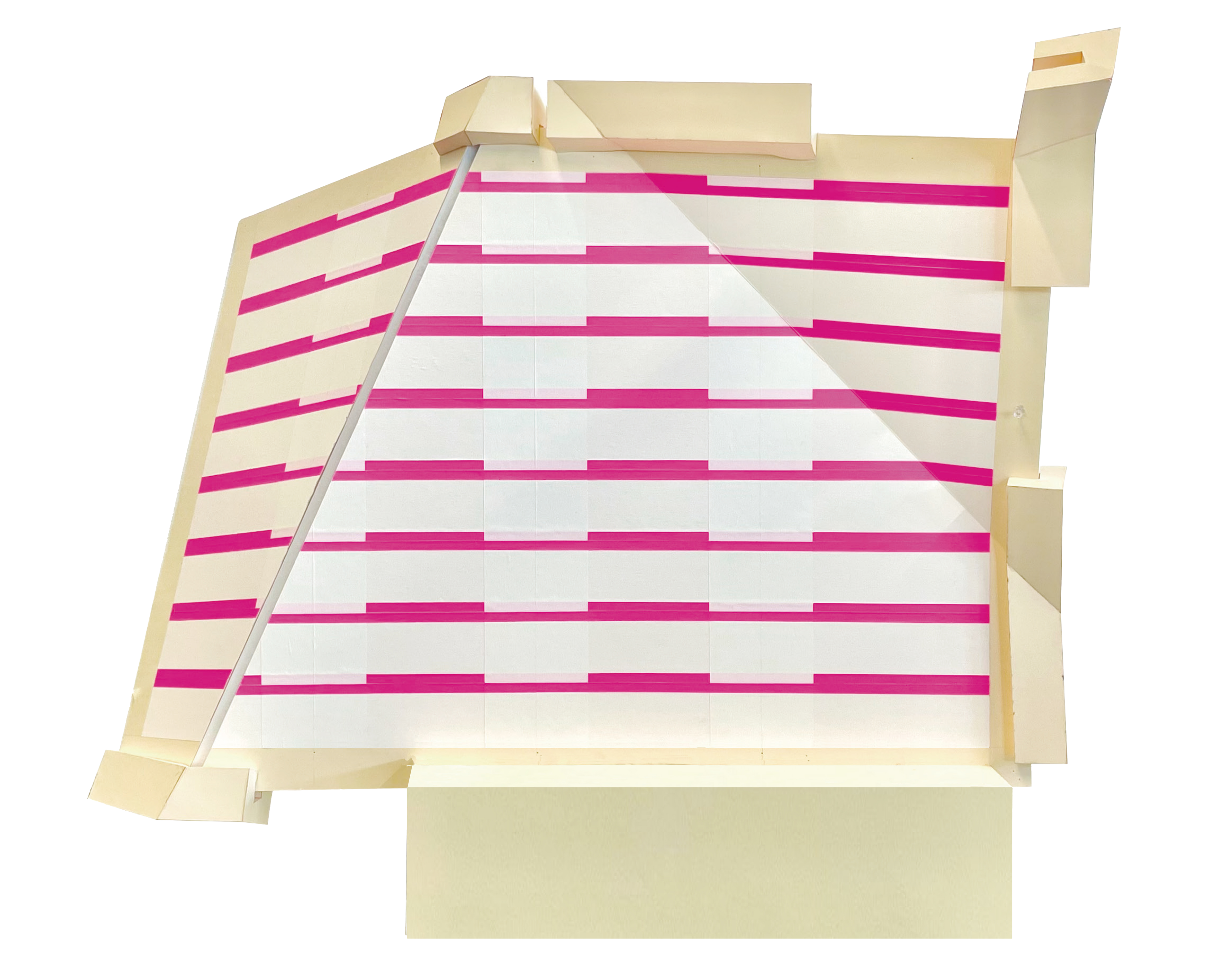
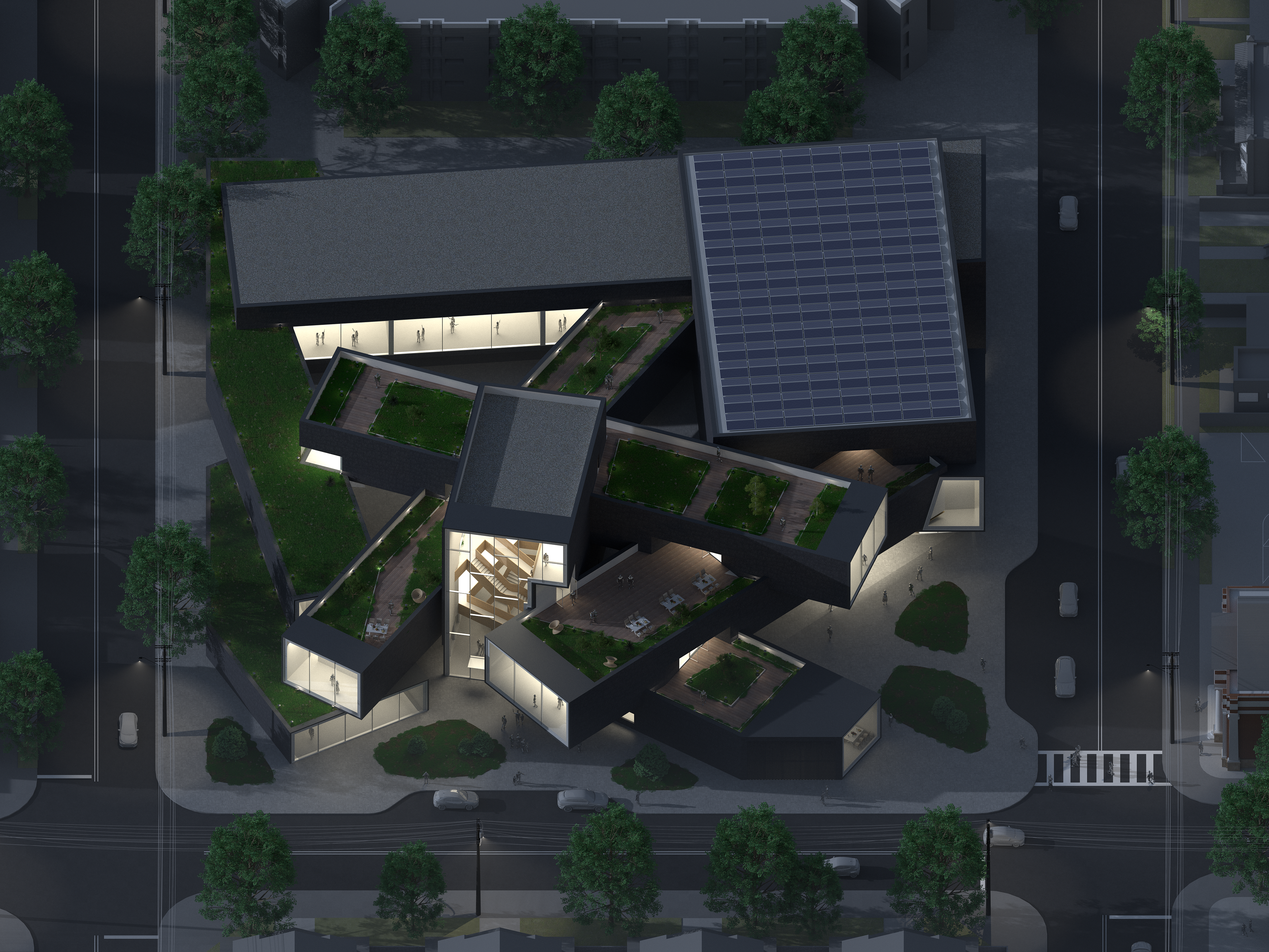
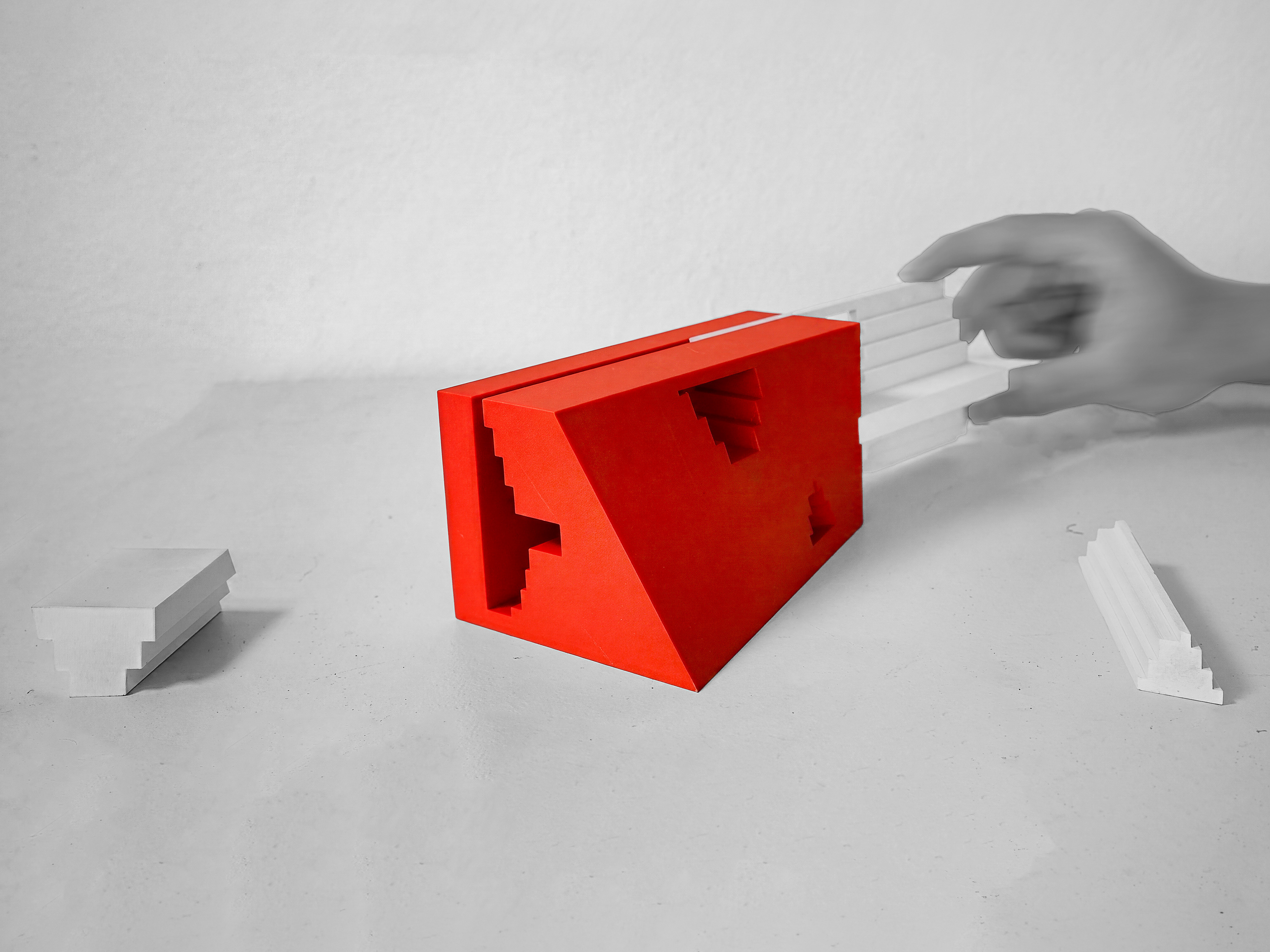
The Double-Double Strategy. This project explores the friction between two distinct architectural bodies. Rather than merging forms into a unified mass, the "double-double" operation maintains their autonomy while forcing them to negotiate a shared spatial logic. The result is not fusion, but a spatial tension defined by proximity without access
I cut a circular shape out of the original grid and then experimented with bending it to generate a new form.
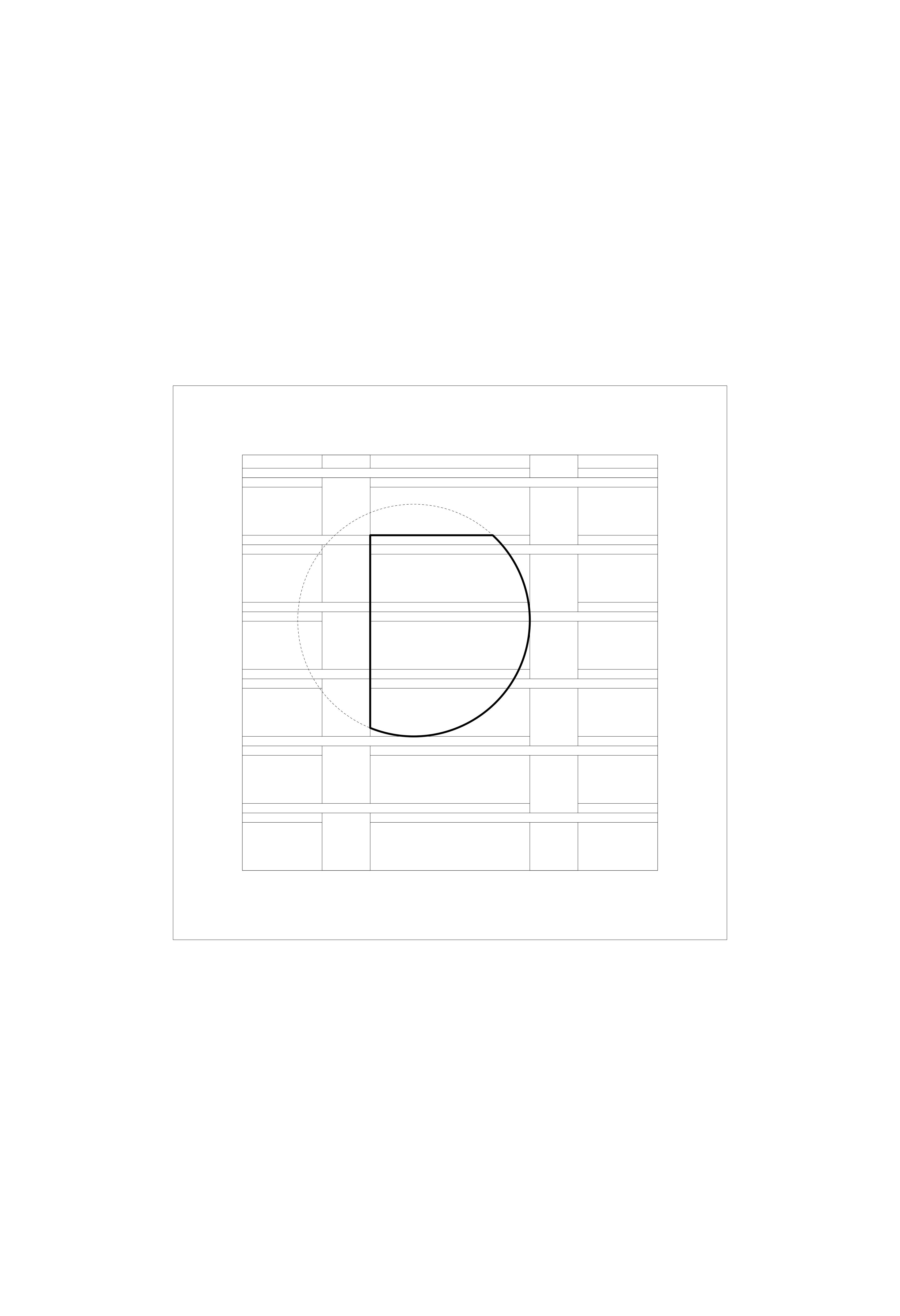
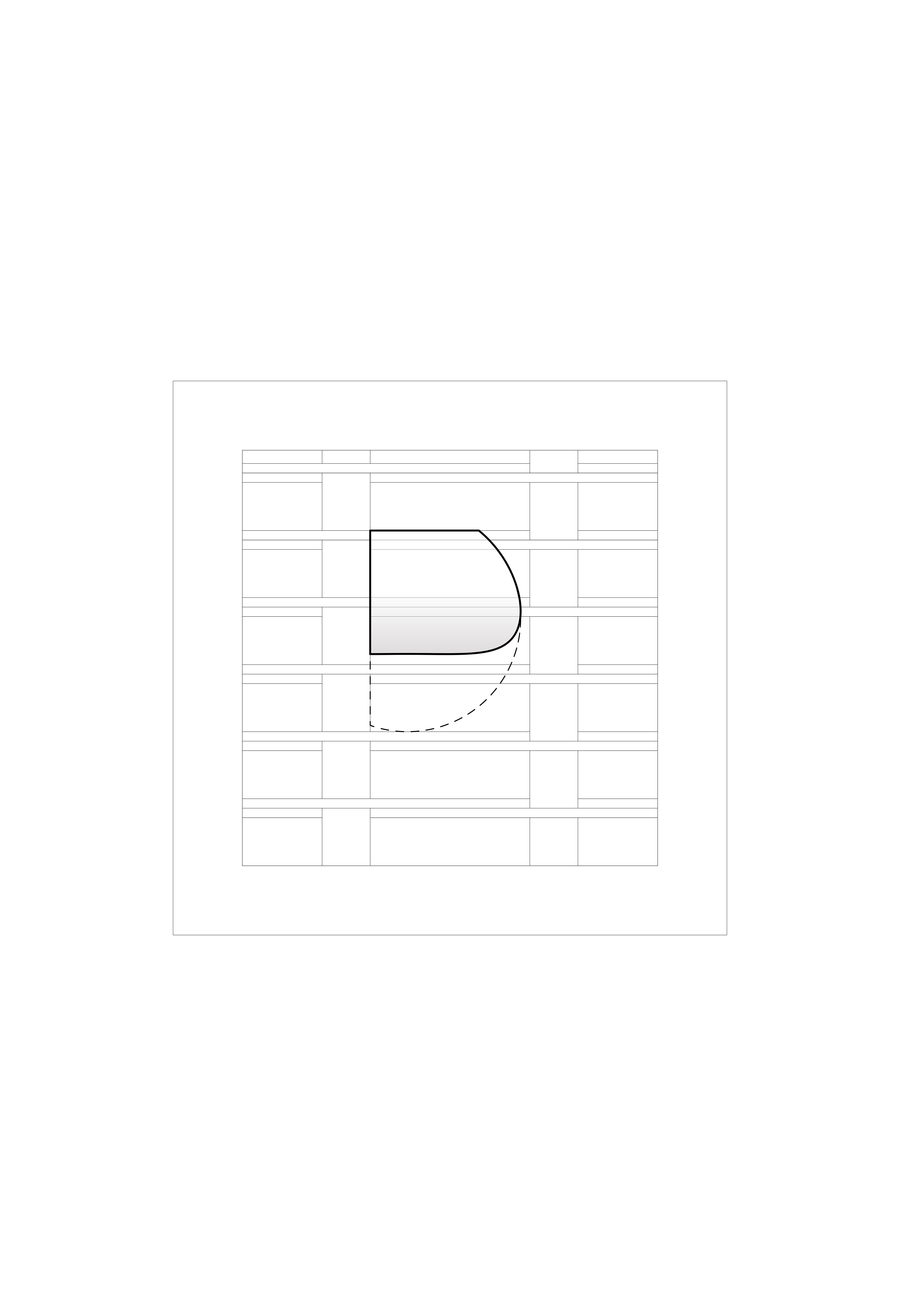
I used the large board from the previous study as a measuring surface to test the shapes I had cut out. I also compared three different types of paper to understand how their varying stiffness and flexibility would affect the bending behavior and the final form.
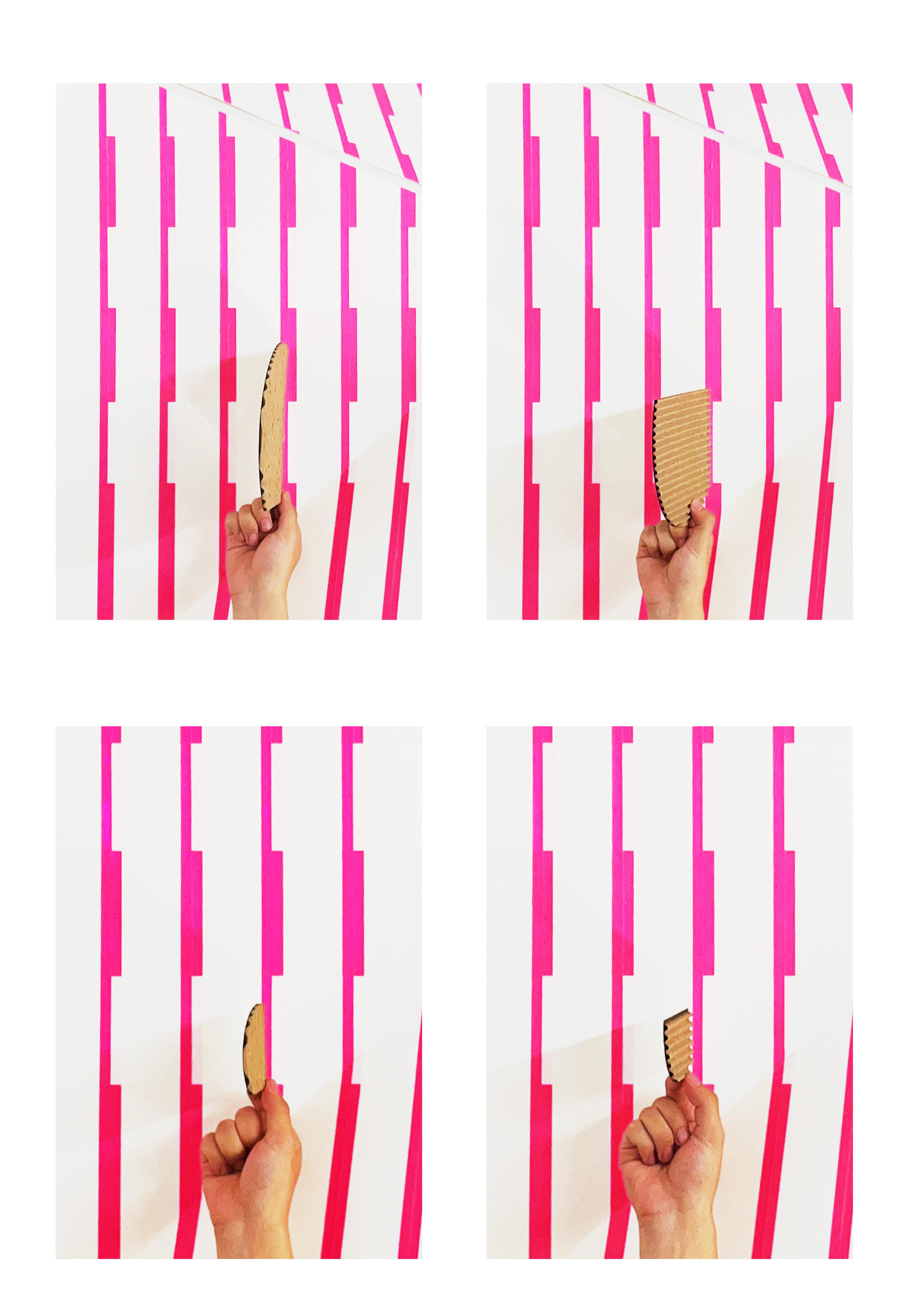
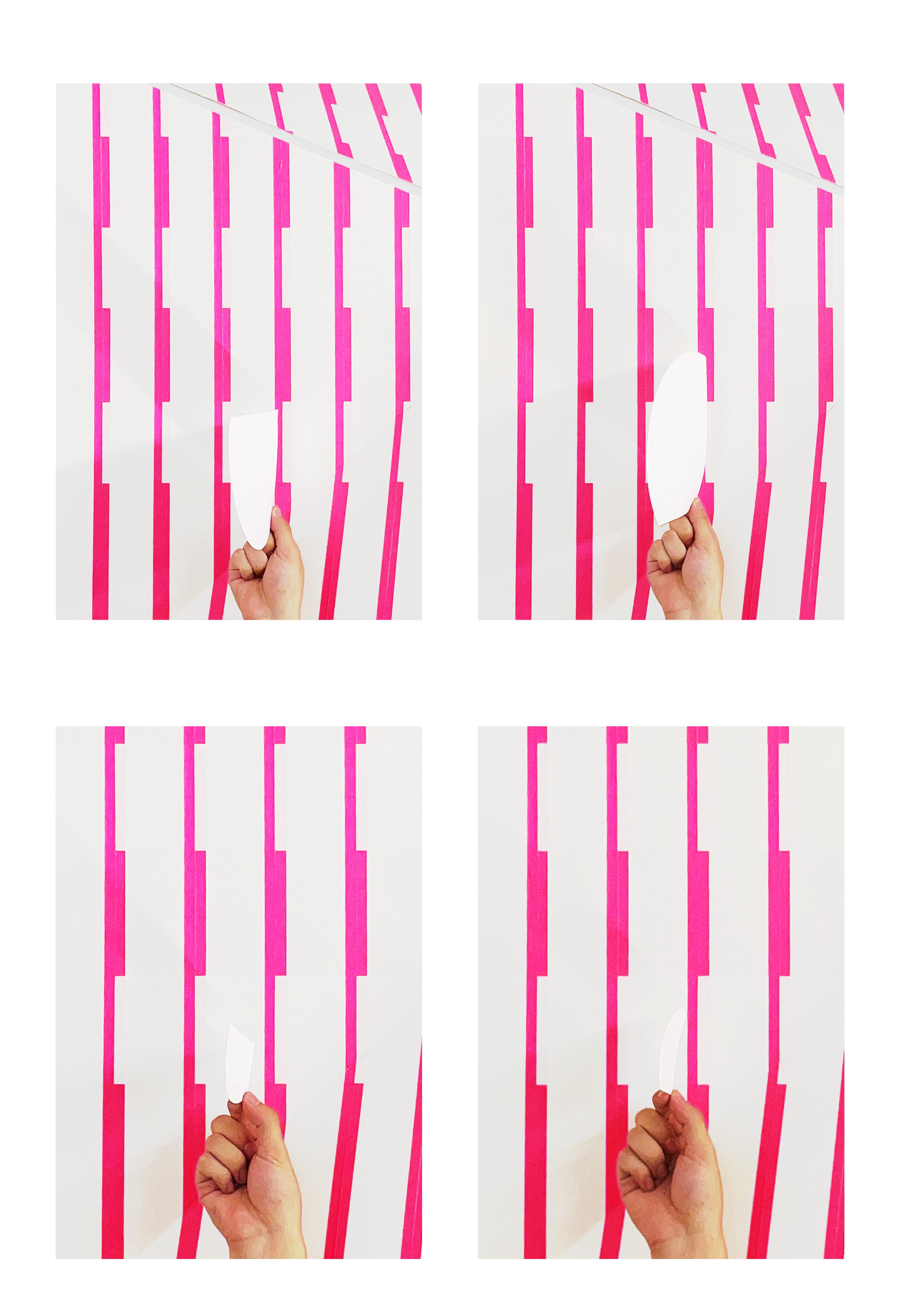
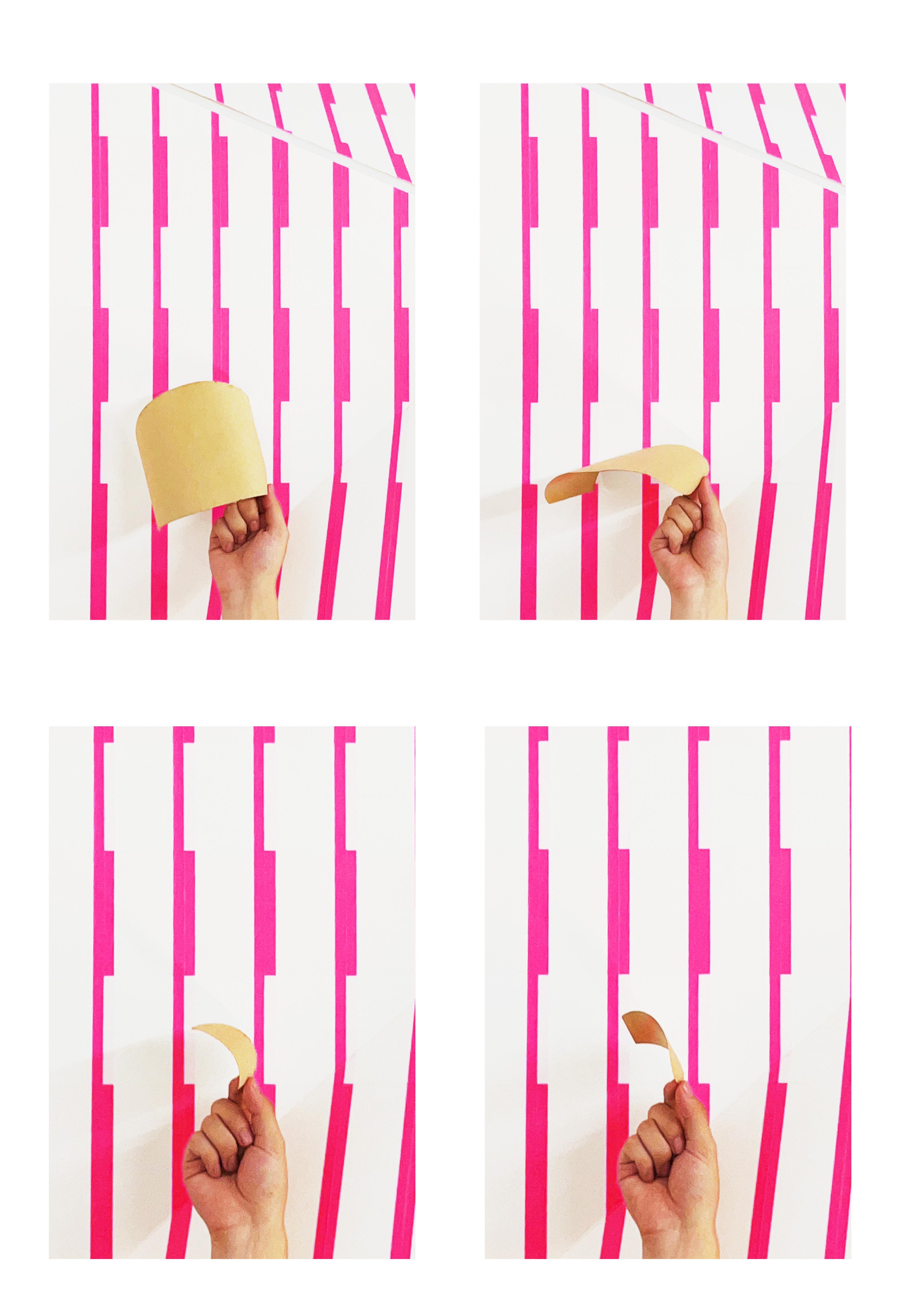
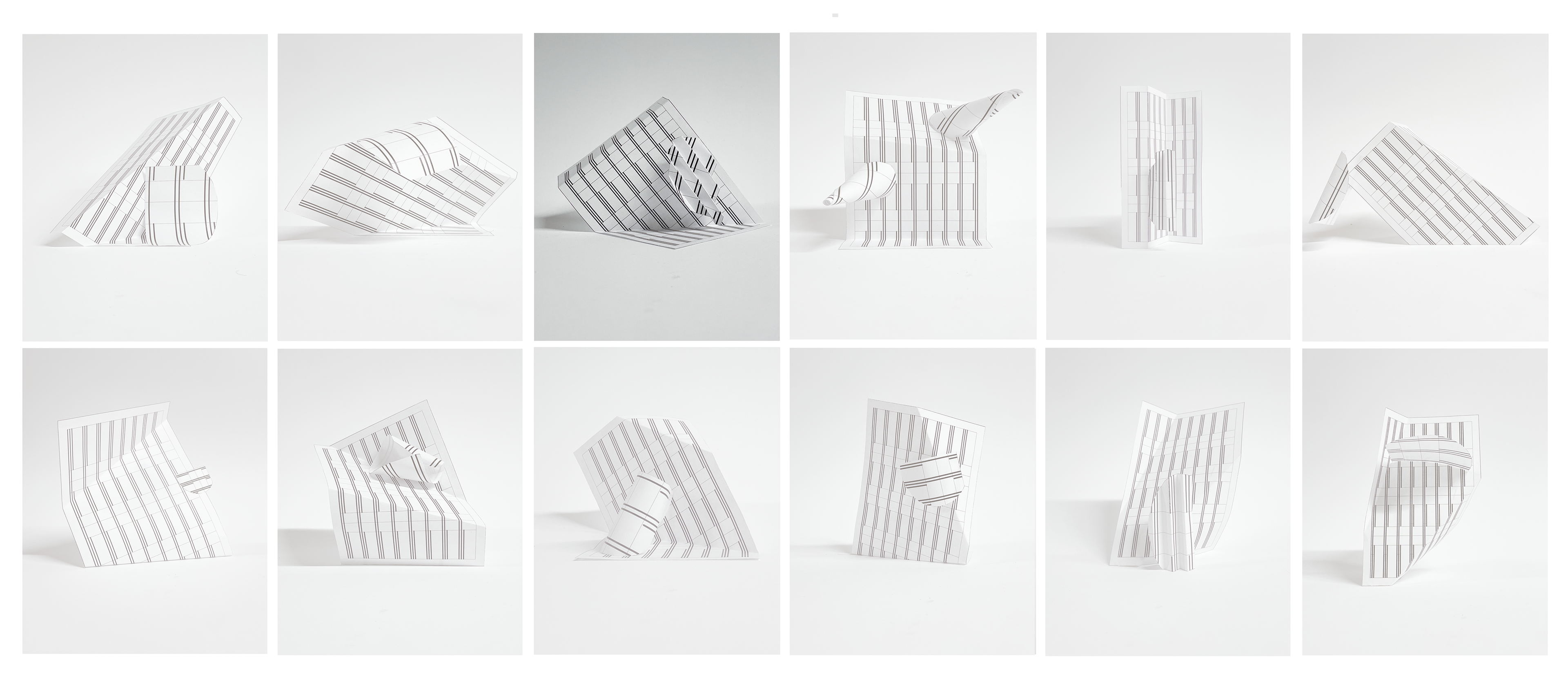
Next, I experimented with a range of different configurations by folding the surface and combining the cut-out shapes in various ways. Through these trials, I tested how changes in position, curvature, and attachment could generate different spatial effects. The resulting sheet documents a series of form studies, showing how the original grid can be transformed through folding, insertion, and recombination into multiple three-dimensional variations.
I selected one of the forms for further development and began refining it by applying a “double-double” strategy, using it as a way to transform the material and generate a new spatial condition.
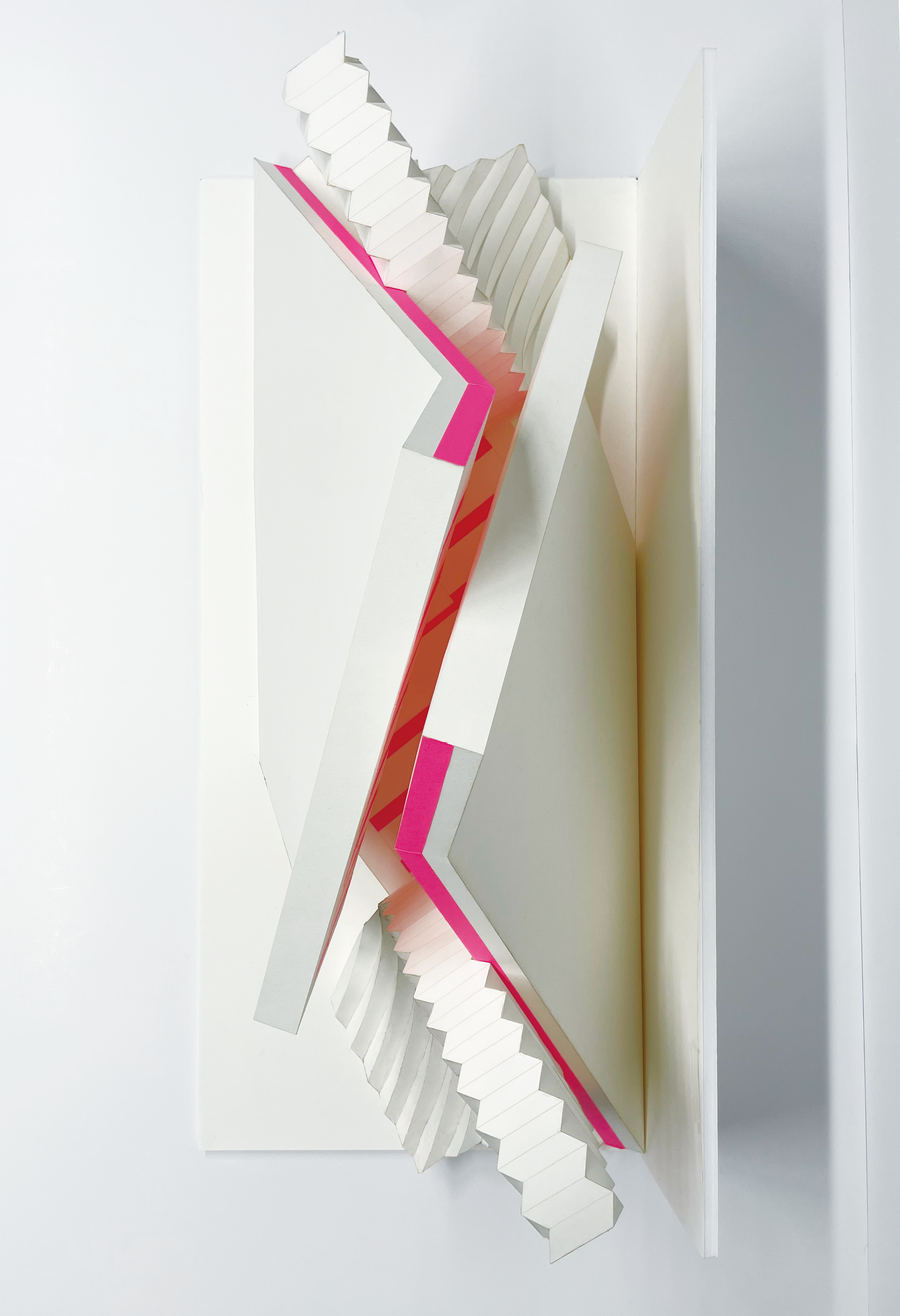
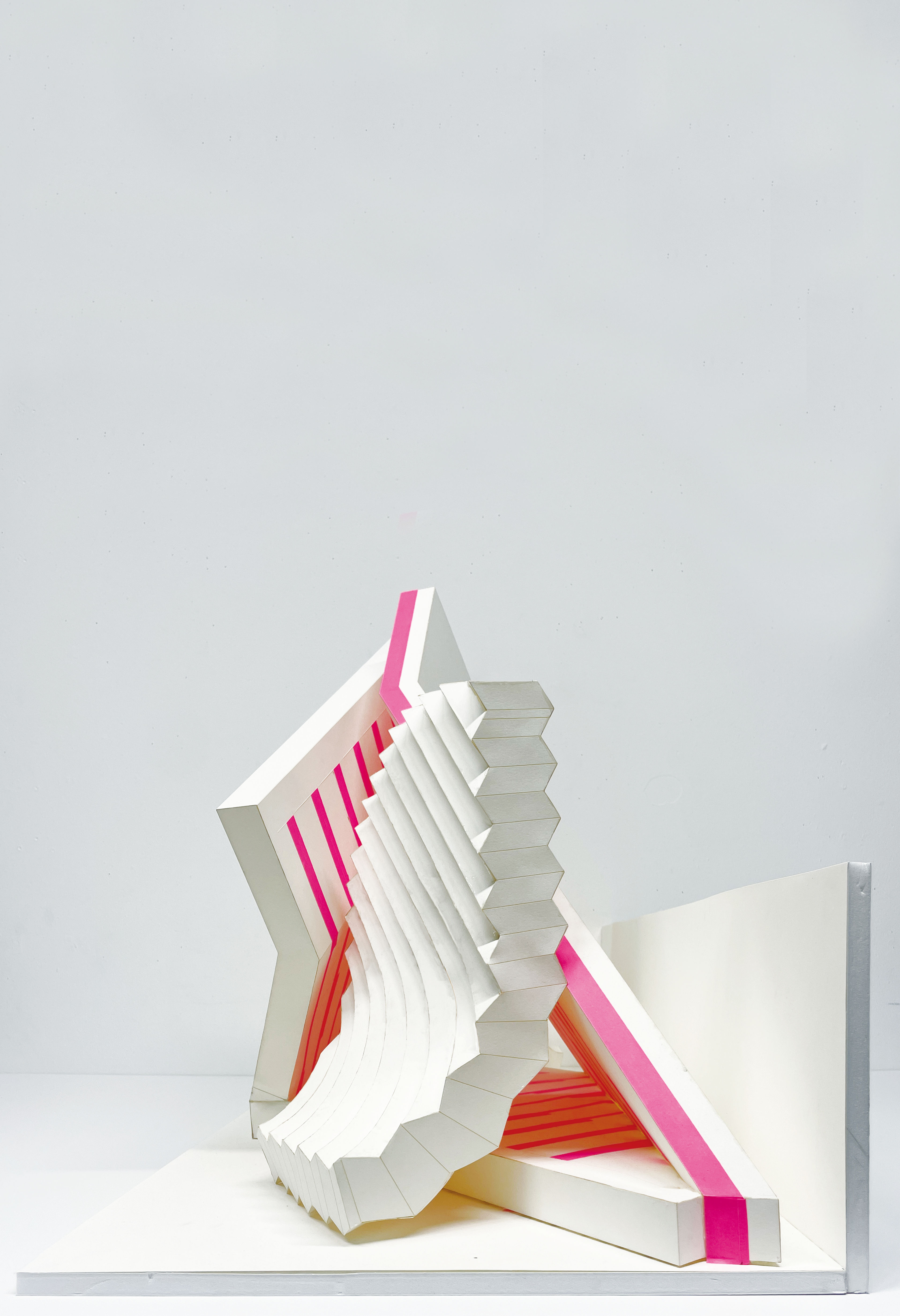
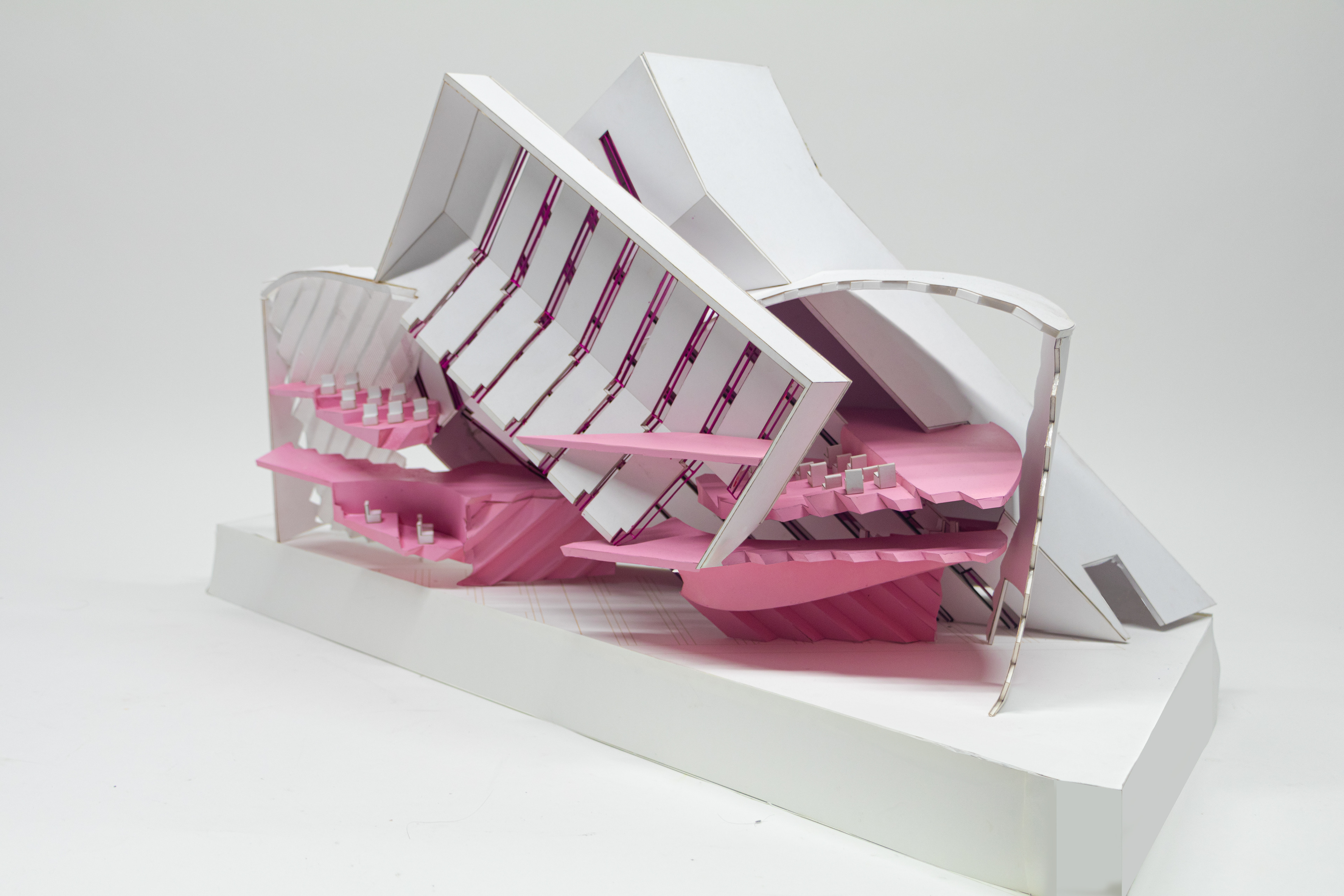
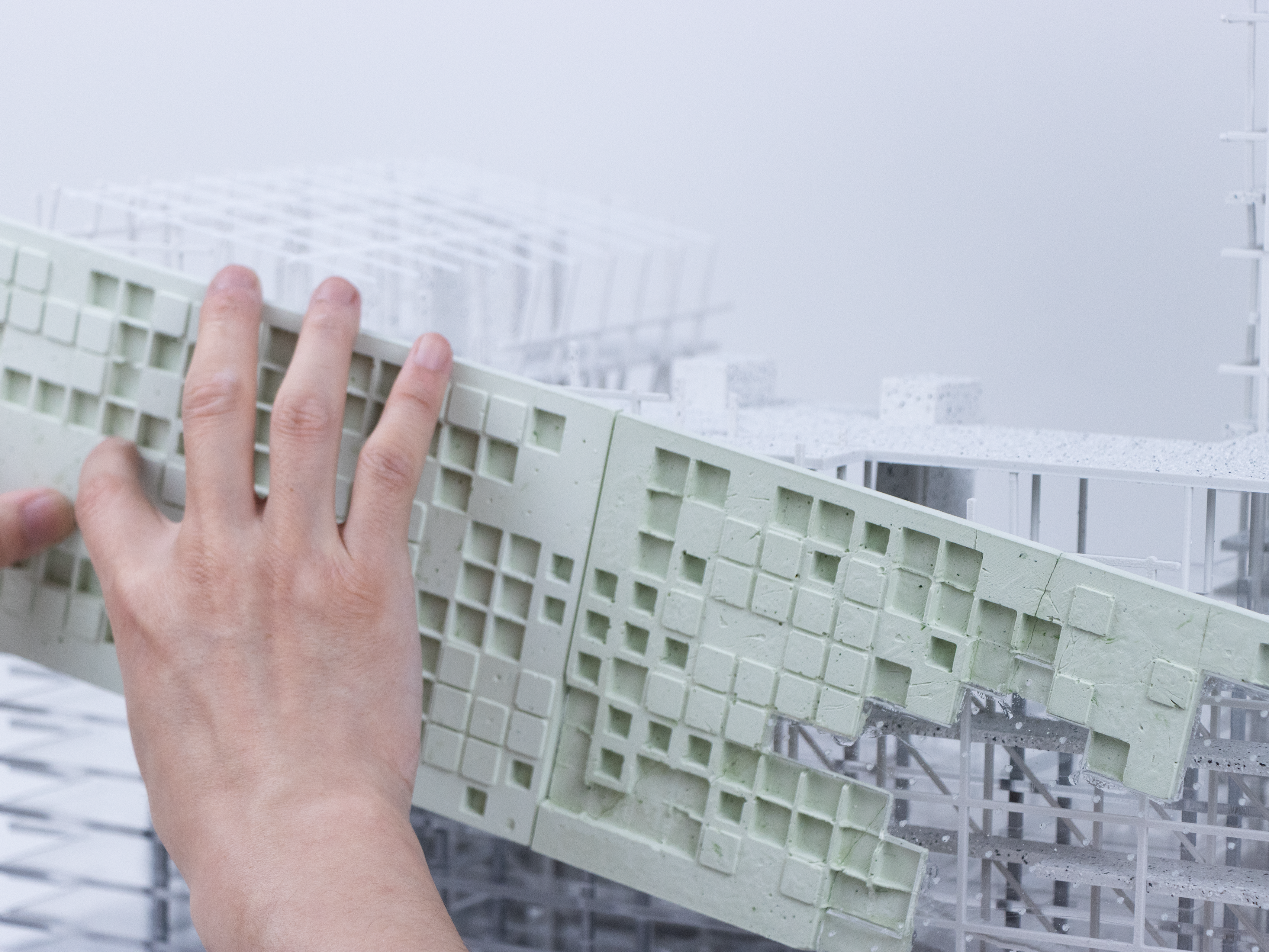
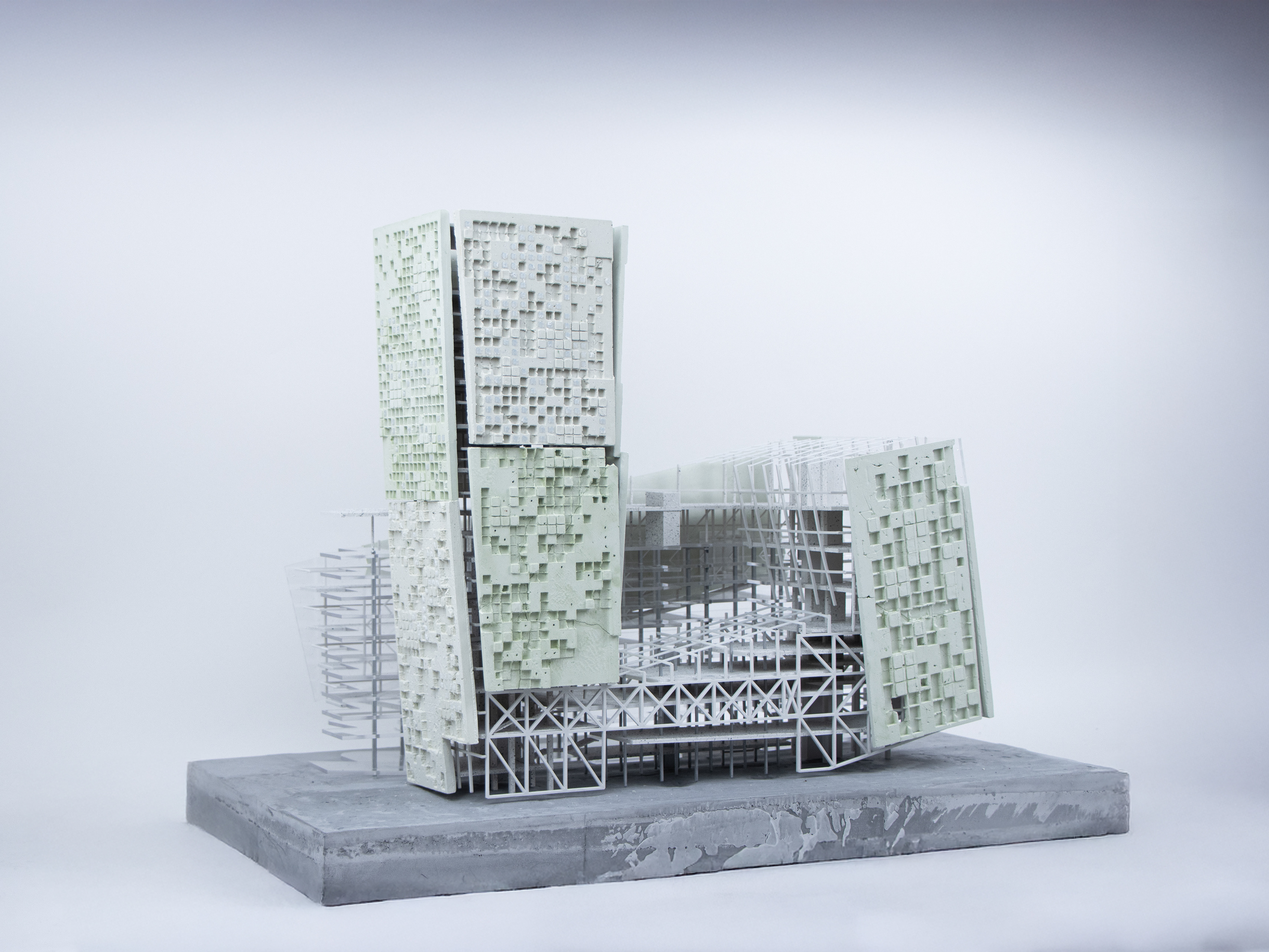
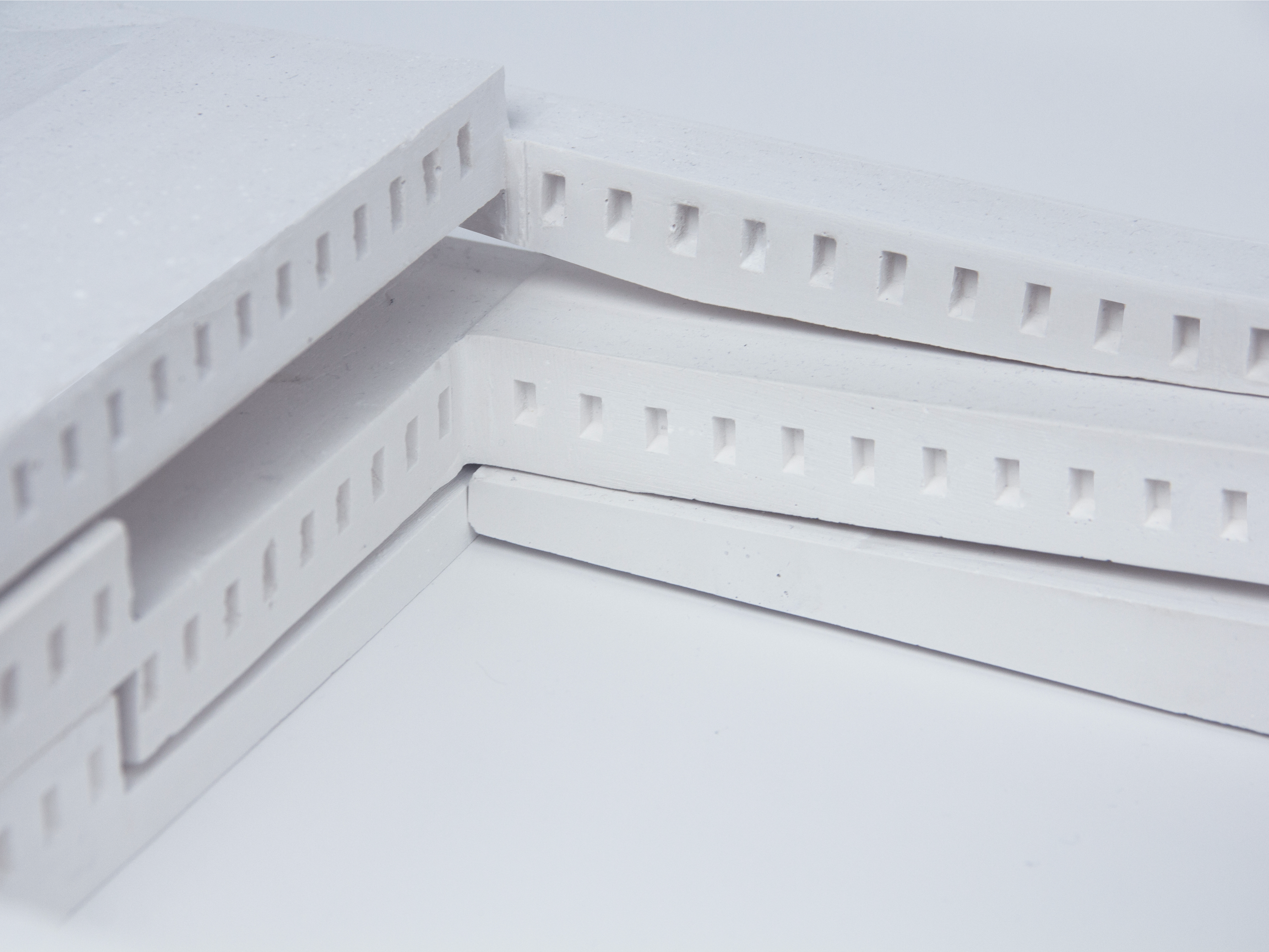
This model further develops one chosen form from the previous studies and reworks it through a double-double strategy. Two distinct yet connected bodies are organized through folding, material transformation, and layered construction, producing a spatial condition defined by tension, separation, and visual continuity. The project explores how a simple surface operation can evolve into a more complex architectural relationship.
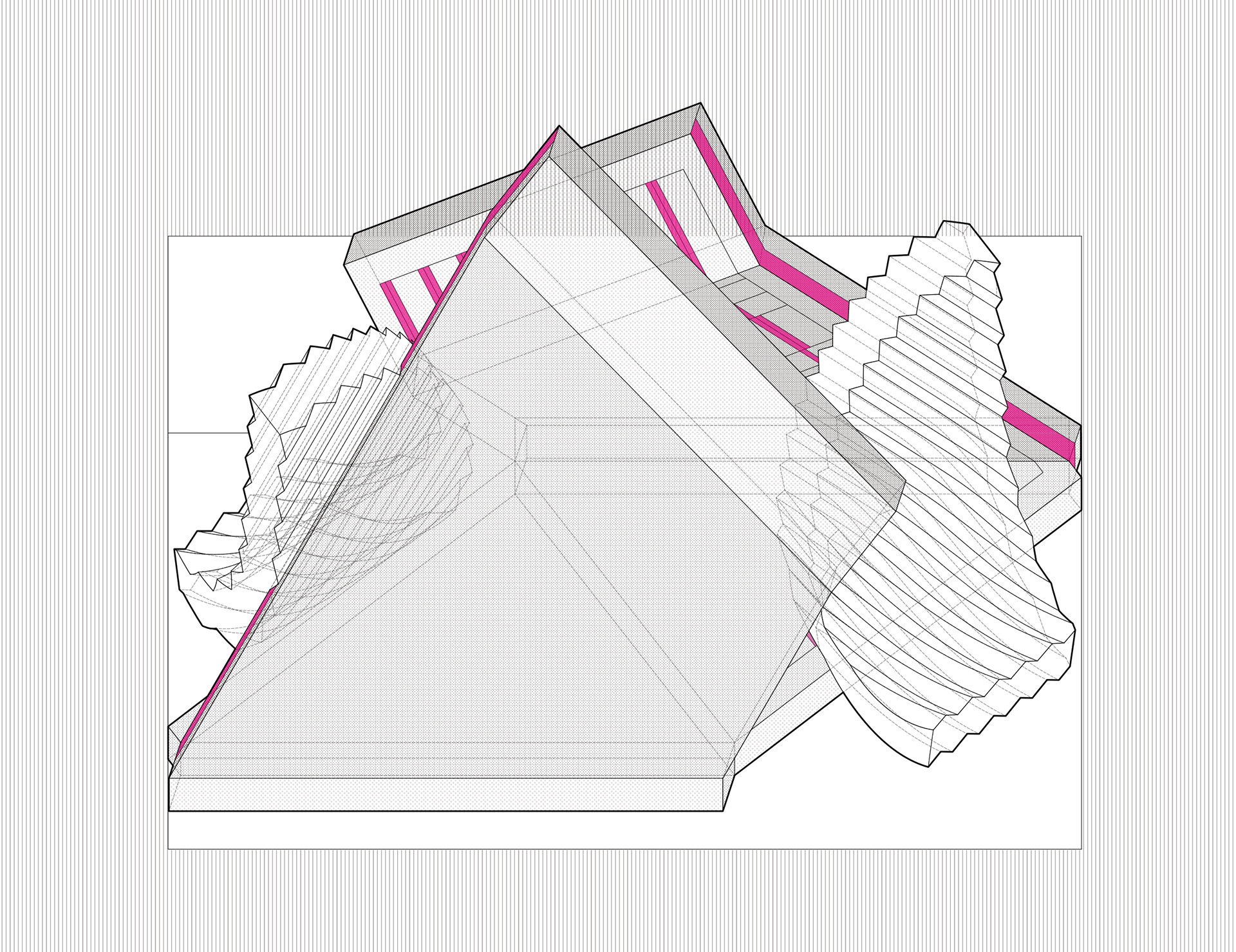
Finally, I expanded the volume to turn the formal study into an occupiable architectural space. The widened mass creates depth for movement, circulation, and program, allowing the gallery and theater to become active spaces rather than abstract forms.
Through this step, the folded surfaces begin to operate as enclosure, while the layered grid suggests structure and visual rhythm. The space between the two bodies becomes an important gap, creating moments of tension, connection, and separation within the project.
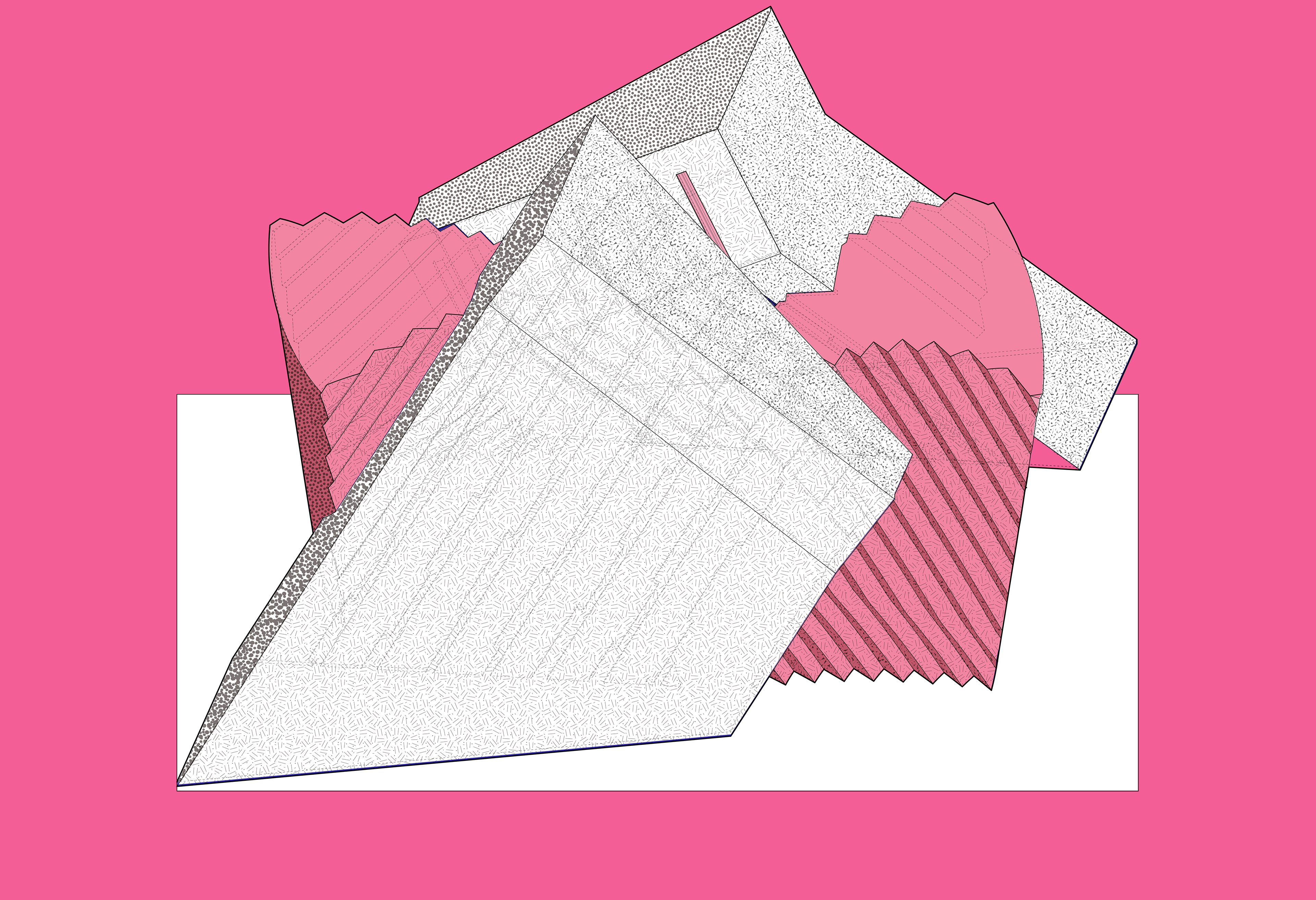
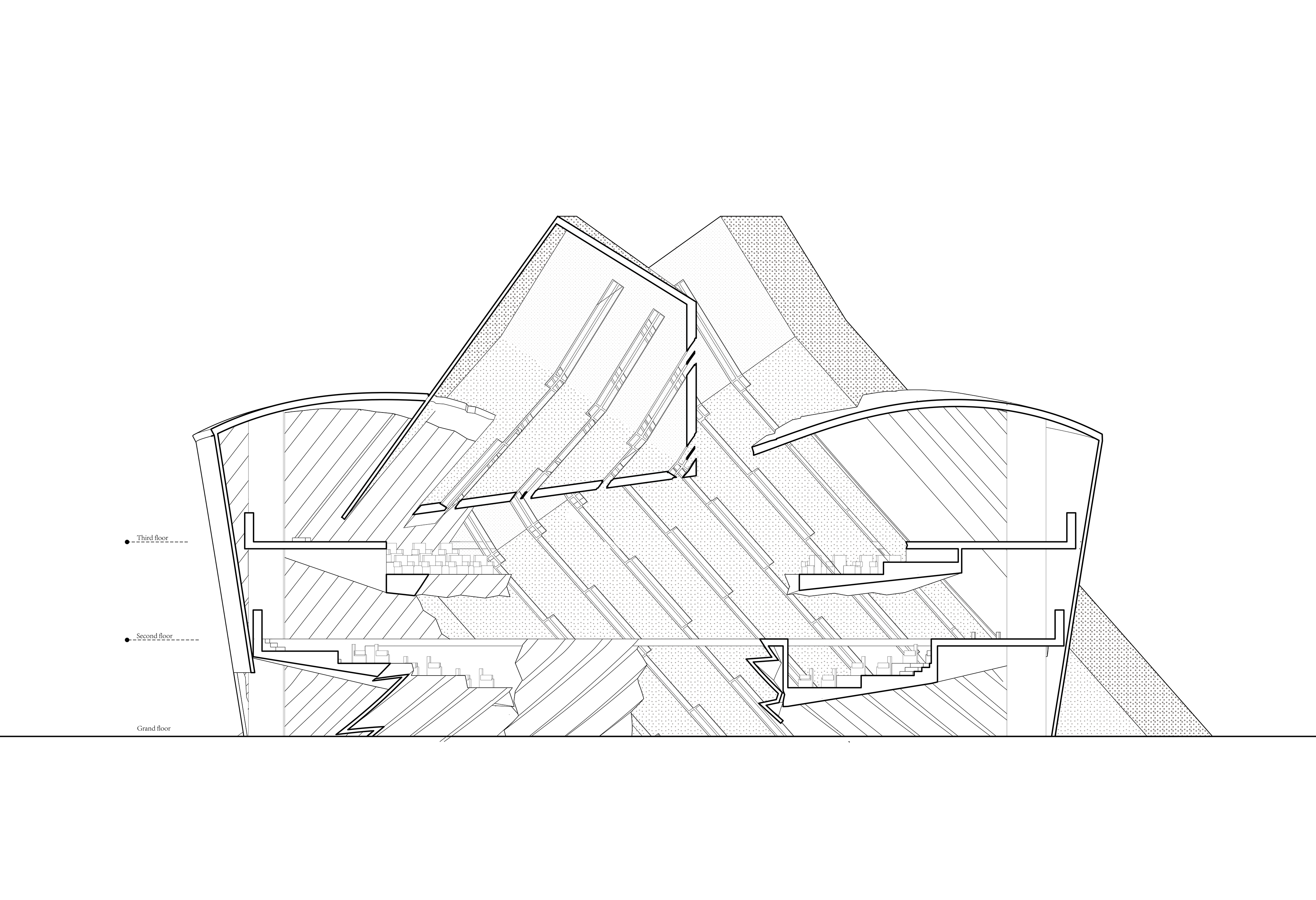
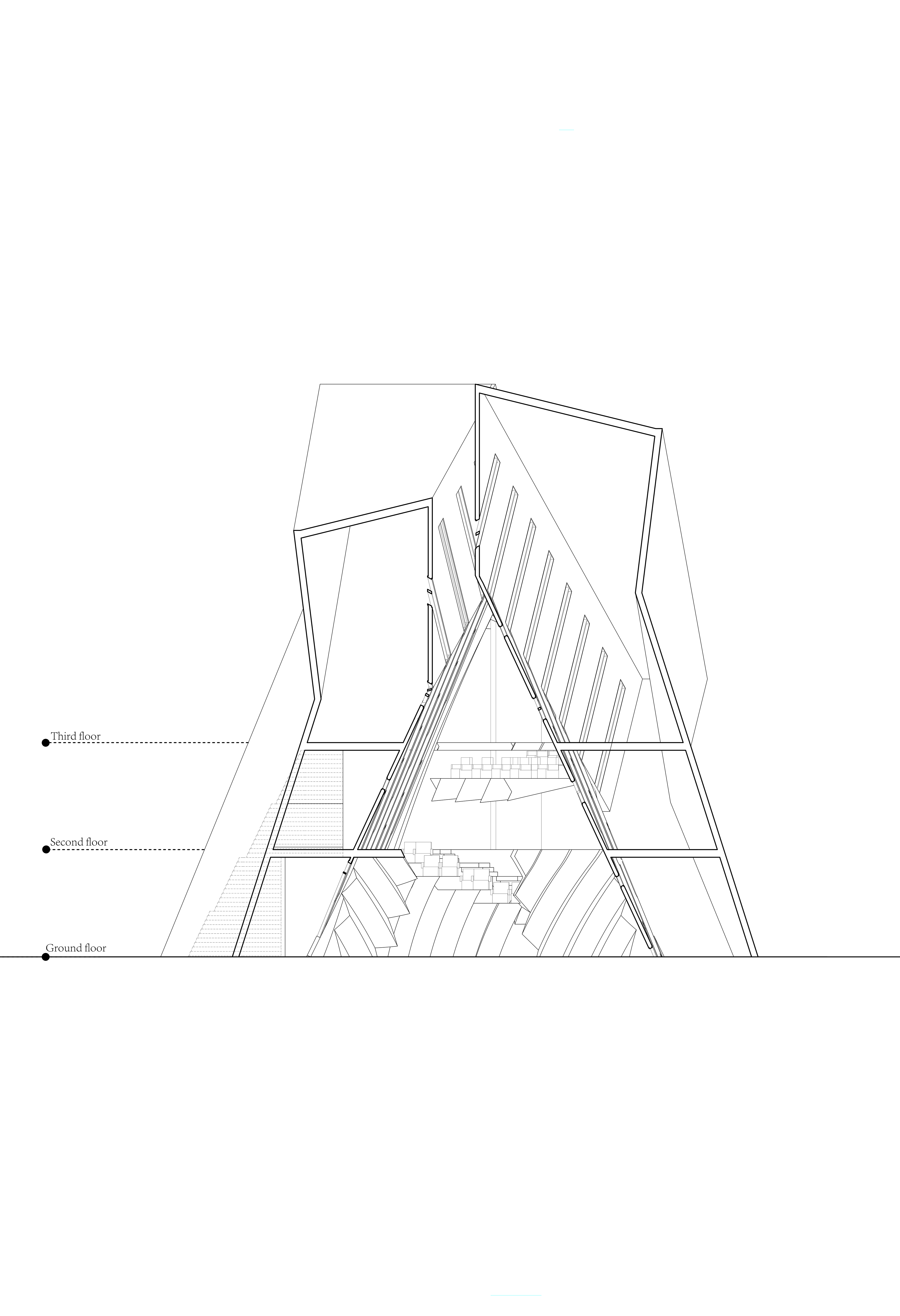
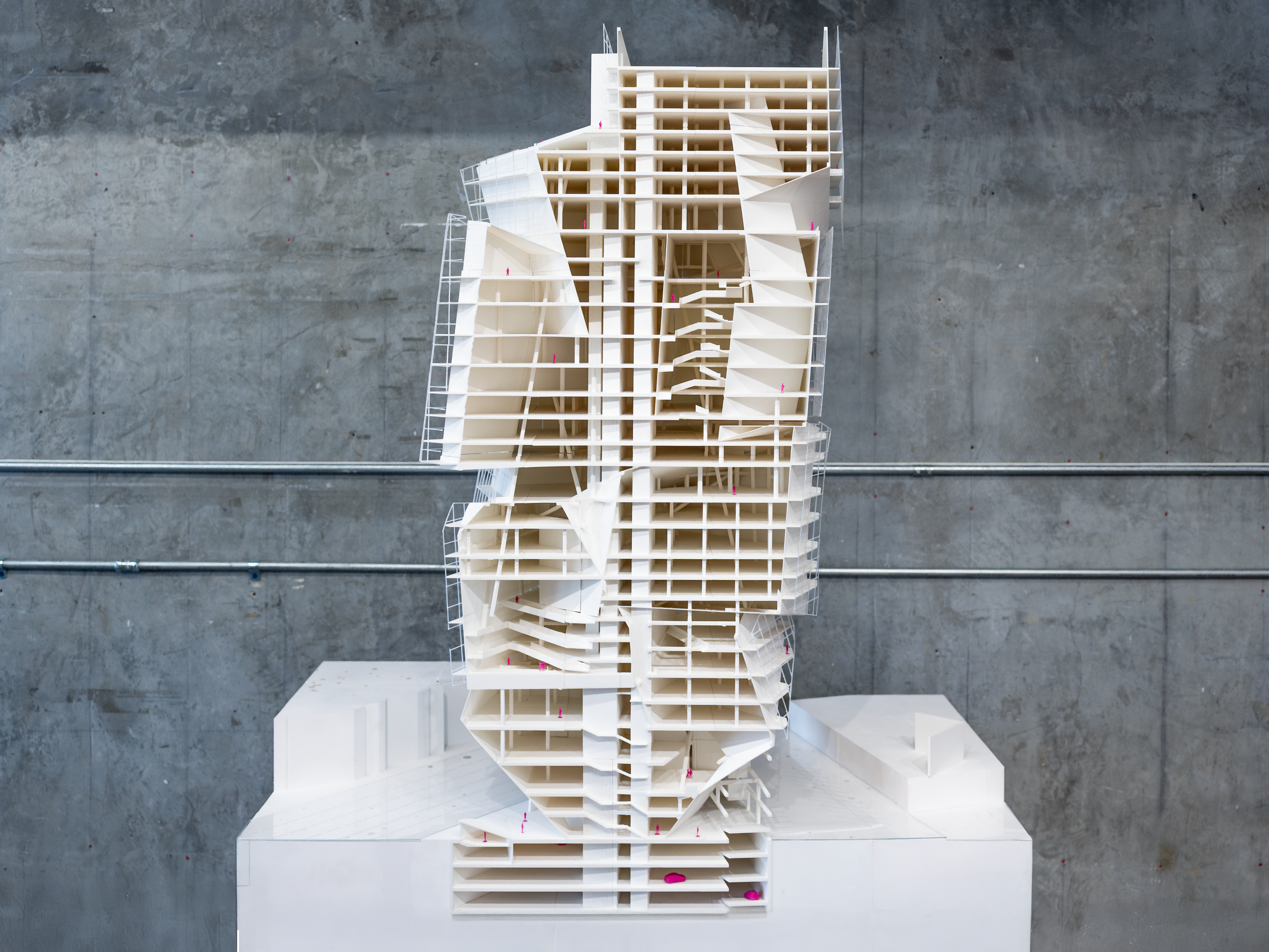
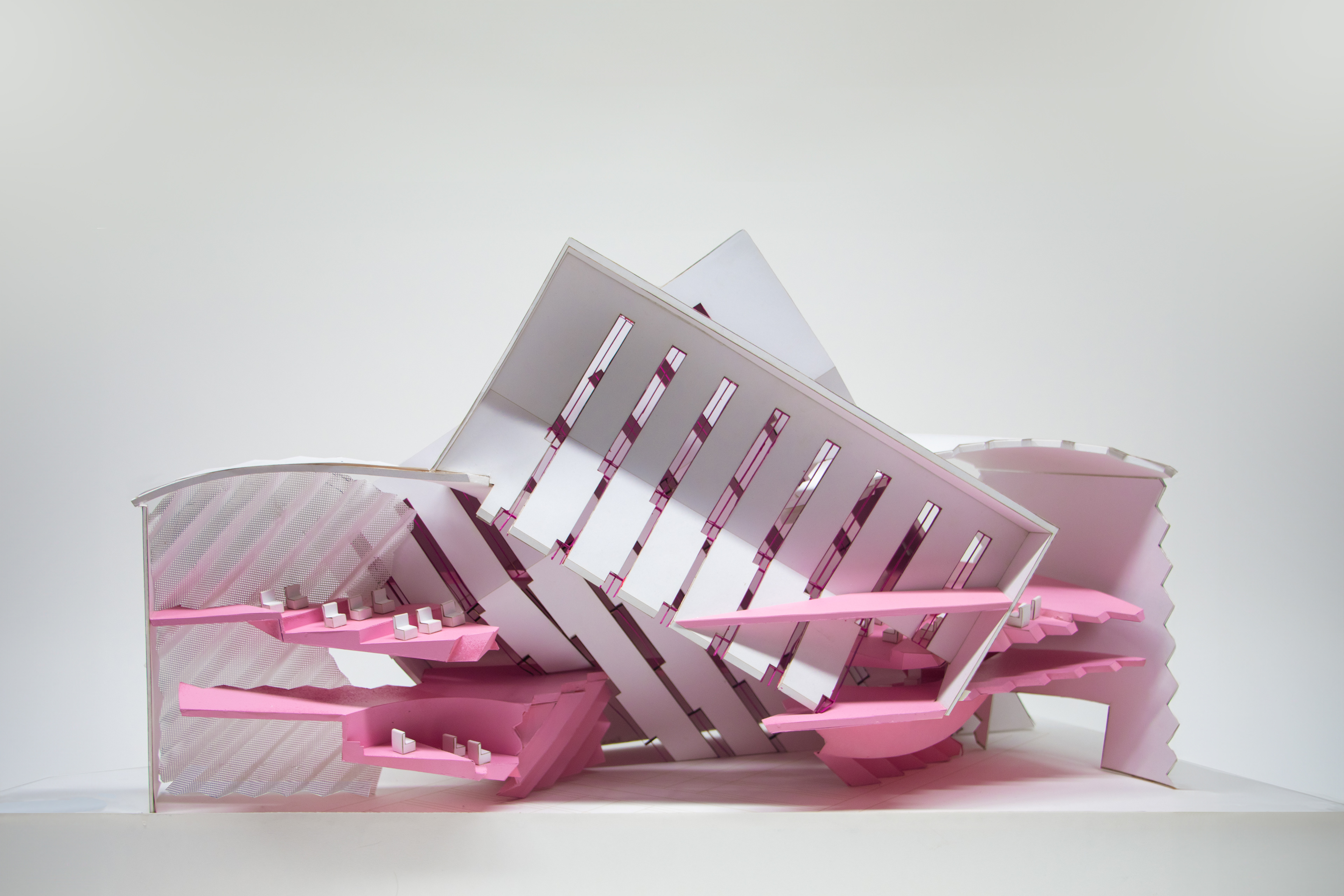
The sections reveal how the project transforms the double-double massing into an occupiable interior system. Rather than organizing the gallery and theater as separate rooms, the building uses folded surfaces, diagonal cuts, and split floor plates to create a continuous spatial relationship between the two programs. The main volume is carved by a central gap, allowing views, light, and circulation to pass through the building while maintaining a sense of separation between the two architectural bodies.
Across the ground, second, and third floors, the interior spaces are layered vertically and horizontally. The stepped seating, elevated platforms, and sloped surfaces create a dynamic section where movement and program overlap. The pink grid logic from the earlier tape studies is translated into structural rhythm, interior surfaces, and visual direction, turning the section into a space of tension, depth, and visual continuity.