Echo Beyond is a design proposal for the National Museum of Ecuador at a critical intersection adjacent to Parque La Carolina, one of the largest and most culturally active public parks at the heart of the financial district in Quito. Inspired by the role of the park as a void for collective gathering, the project is conceived as a compact urban volume carved by a system of interlocking voids. Rather than adding mass, the project operates through subtraction—transforming the interior into a collective urban field that integrates program, circulation, and public space linking the museum’s interior to the surrounding city while its exterior engages the park as a symbol of cultural reflection. At its core, the design investigates the reciprocal relationship between void and envelope, reimagining the museum not simply as a collection of artifacts, but as a constructed symbol of collective meaning within the culture of Ecuador.
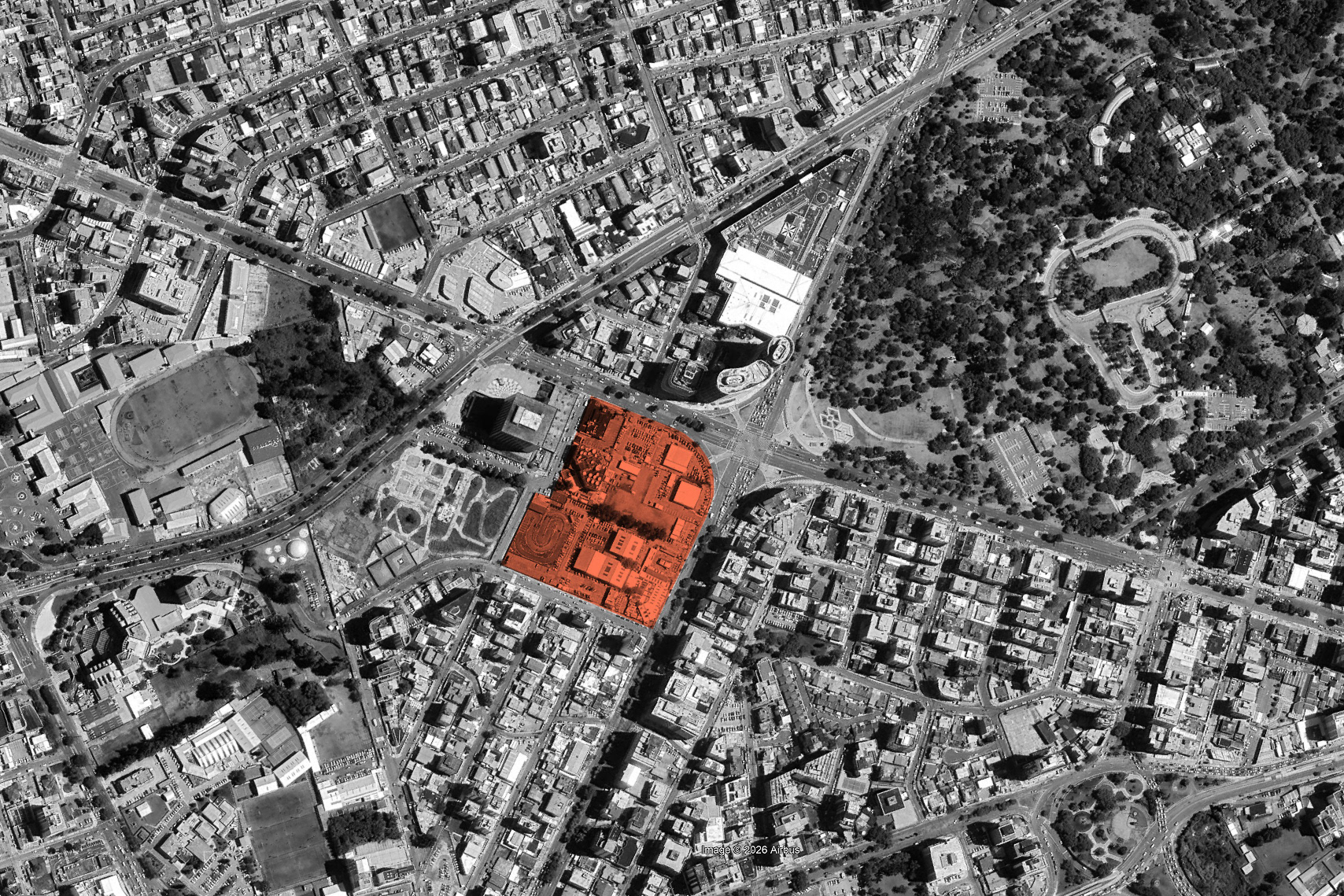
Located at the intersection of Avenida Eloy Alfaro and Avenida de la República in Quito, directly facing Parque La Carolina in the city’s modern civic and financial district. The site acts as a threshold between Quito’s historic identity, contemporary urban growth, positioning the museum as both a national cultural landmark and an active urban public space.
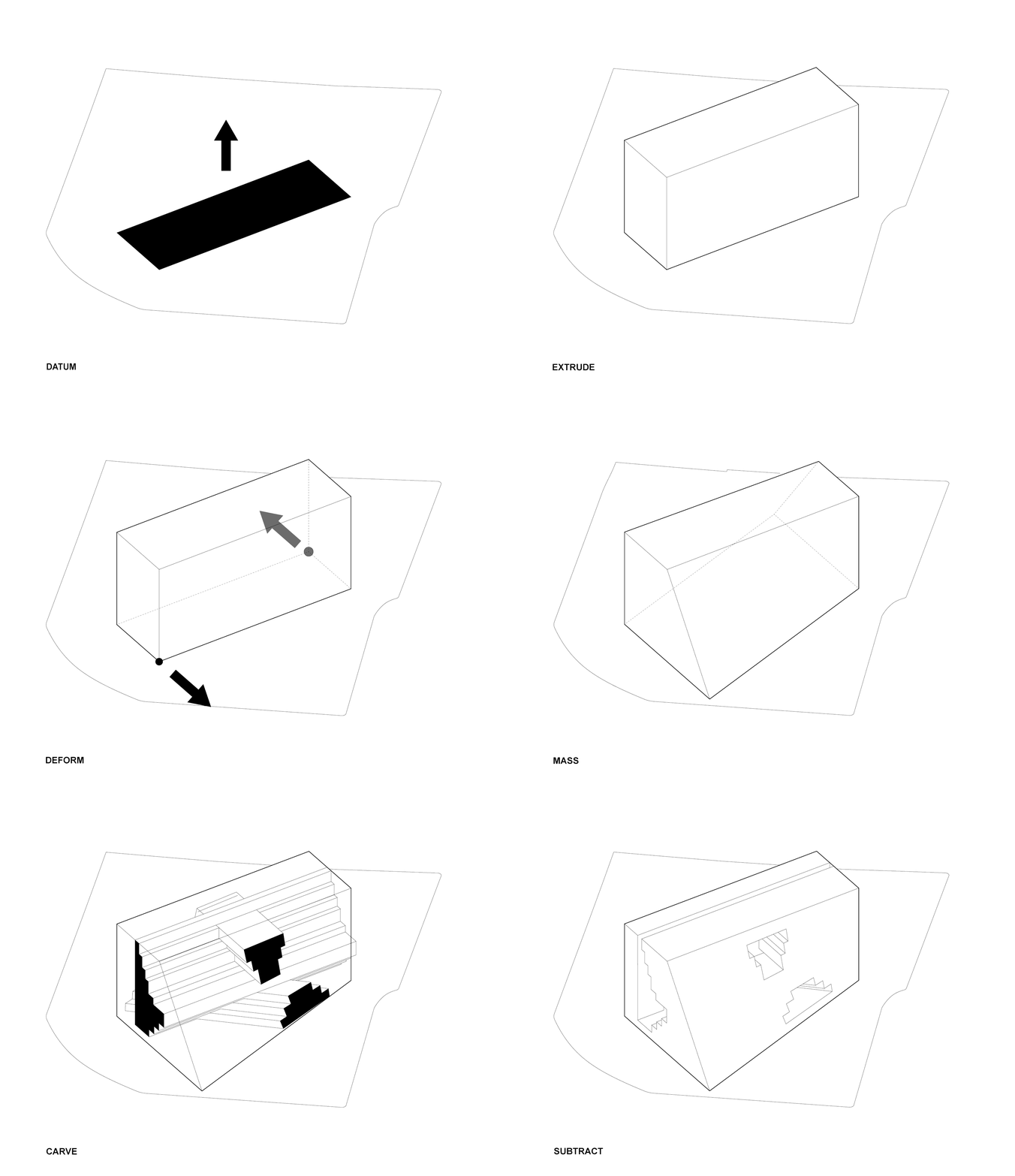
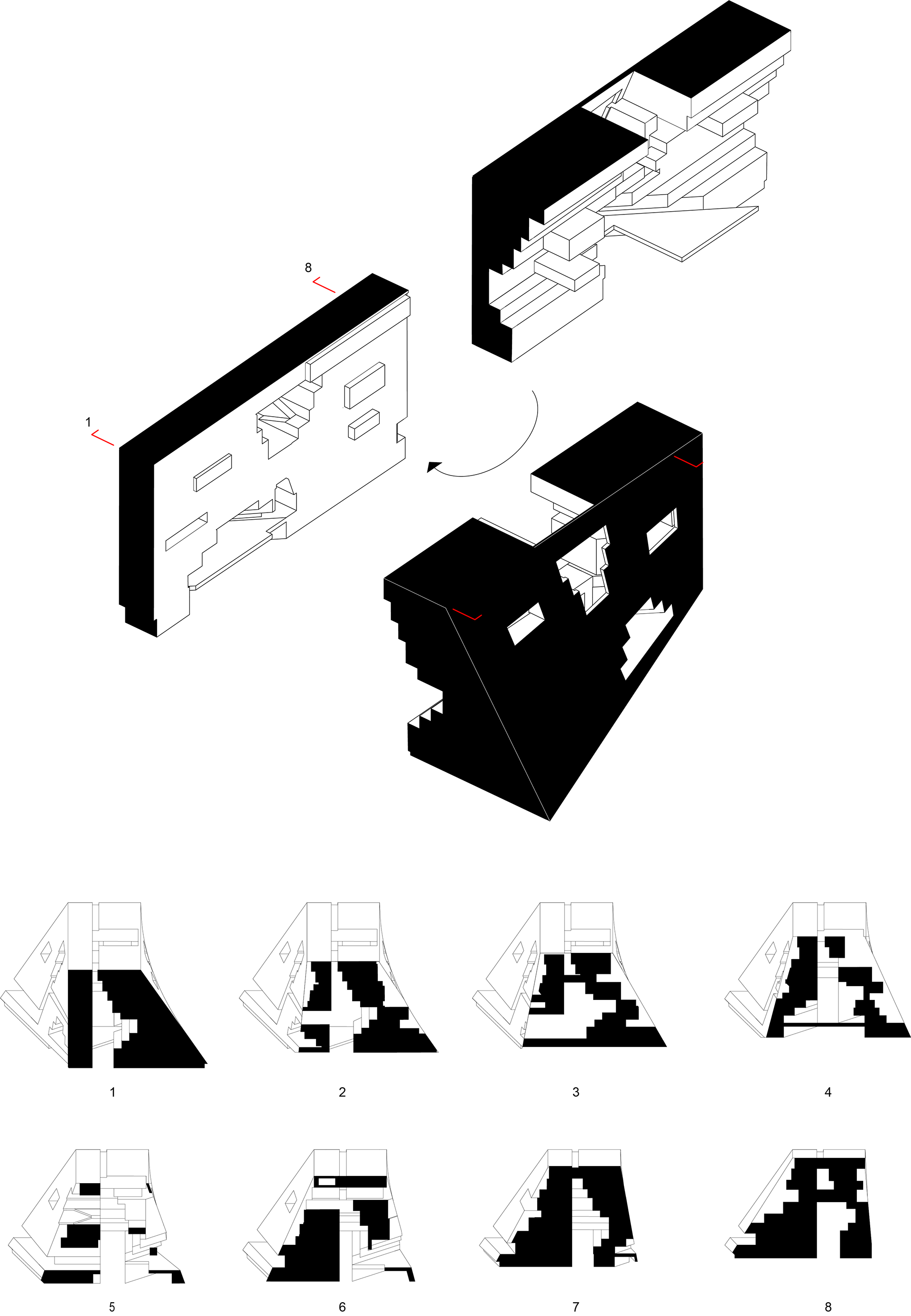
The concept begins with a series of interior voids that puncture through the building envelope and overlap across multiple axes, linking the museum’s interior to the surrounding city and to the prominent Parque La Carolina. Contained within an undulating yet rigid envelope, these voids generate a continuous and unobstructed spatial volume that accommodates active collective programs ranging from social spaces to large civic gatherings. At the intersections of these voids, the building mass is strategically subtracted to integrate circulation into a central atrium, connecting horizontal movement with the atrium’s vertical void and establishing a sequential transition from public civic spaces to private galleries and exhibition environments
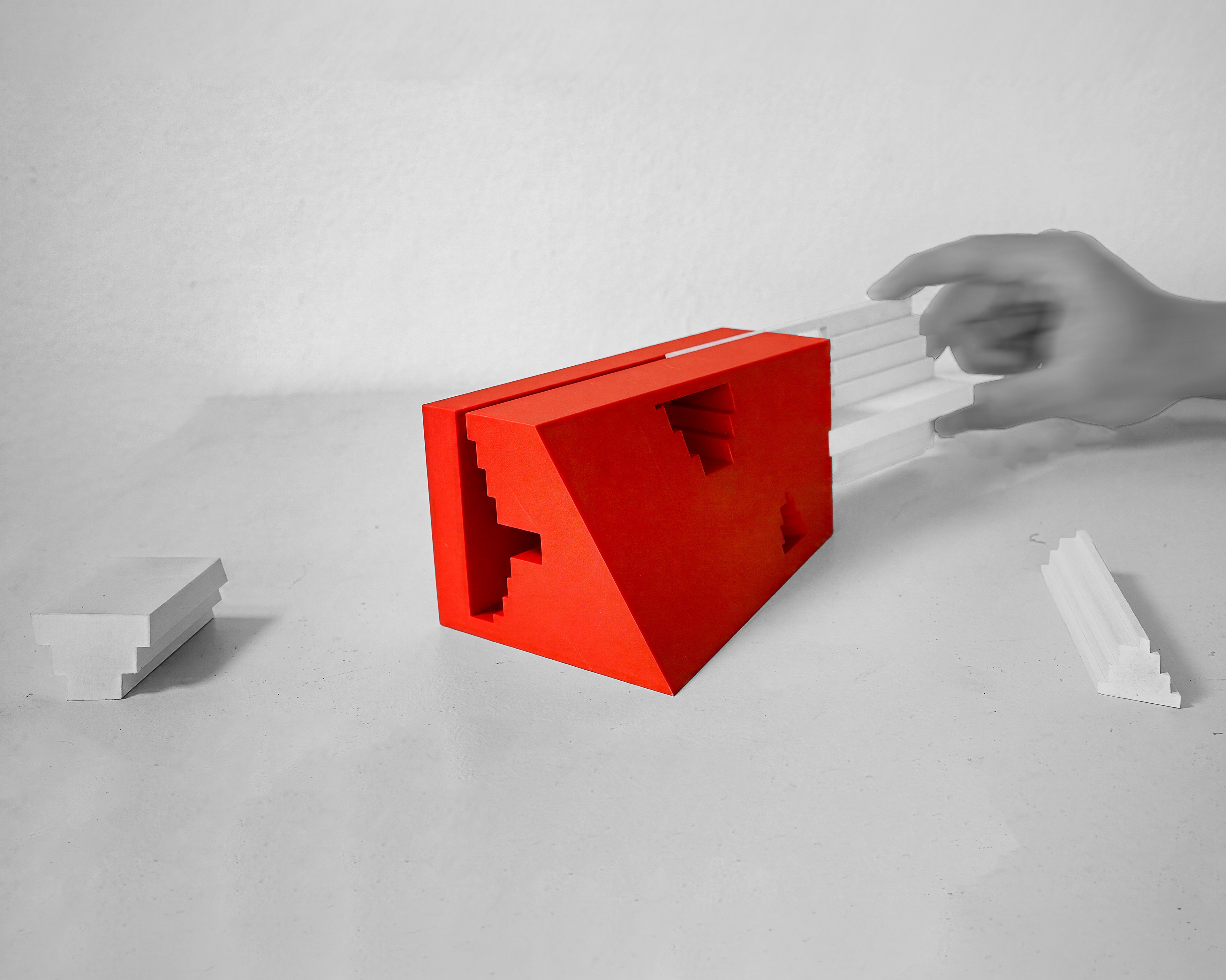
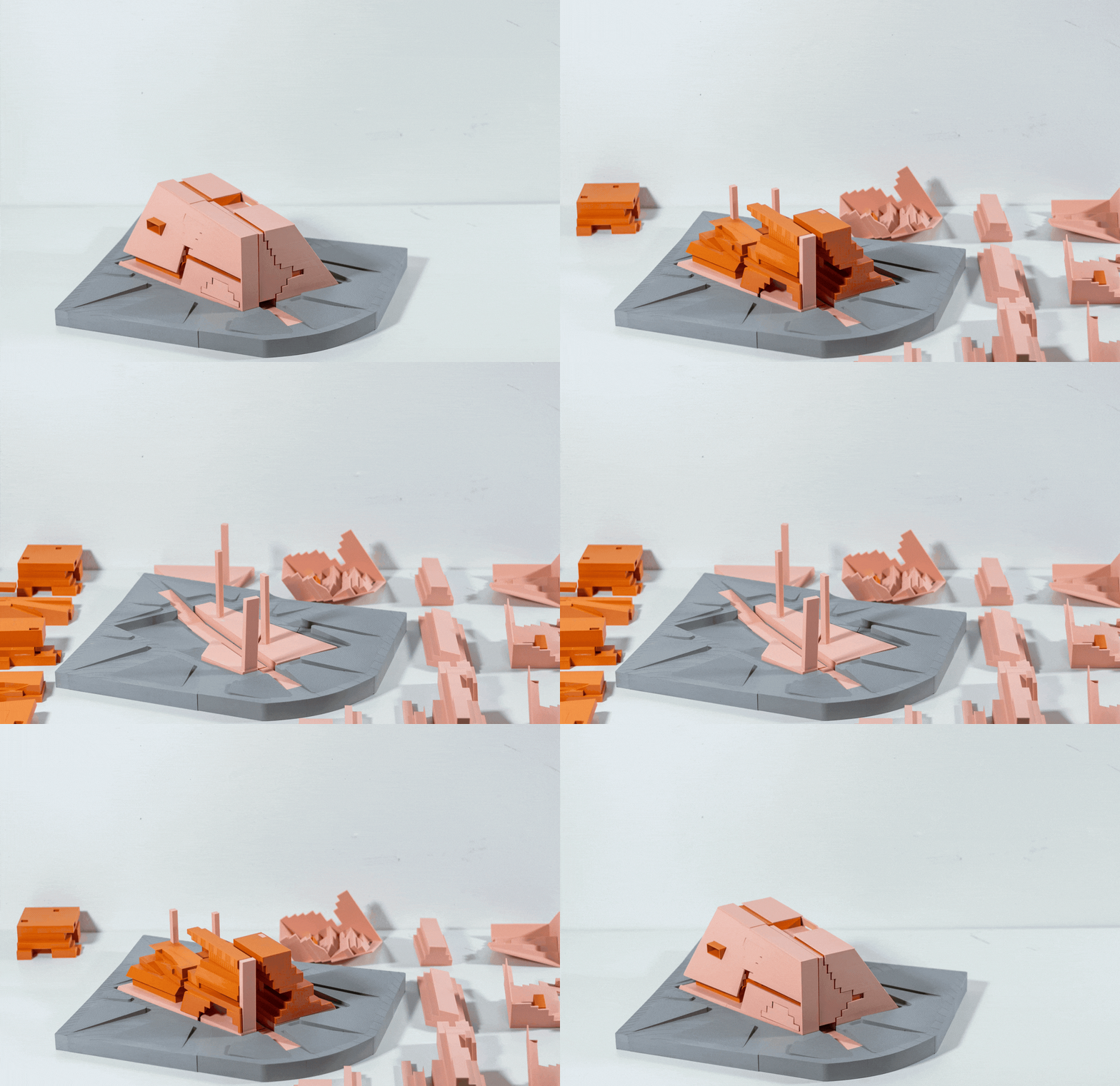
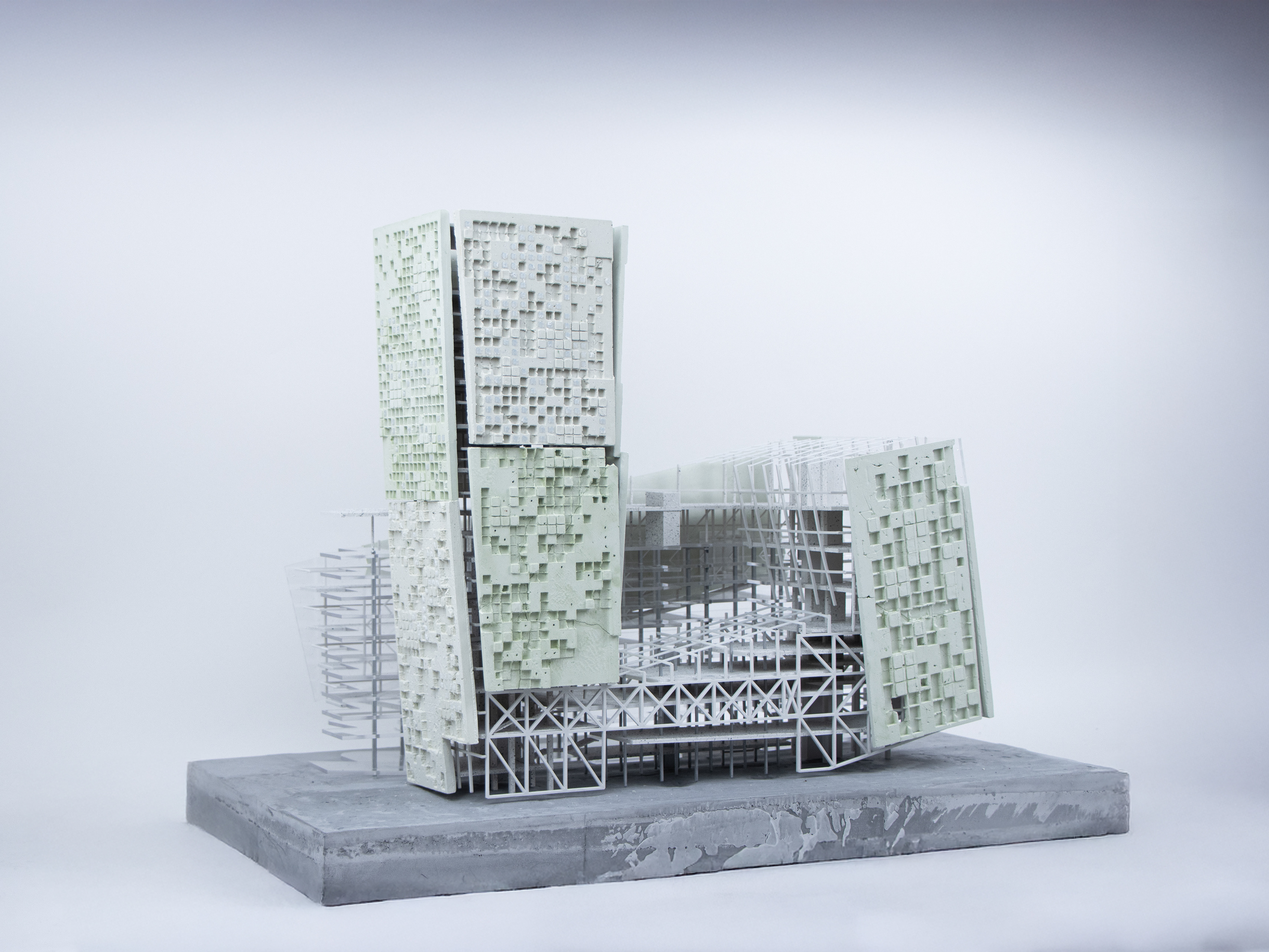
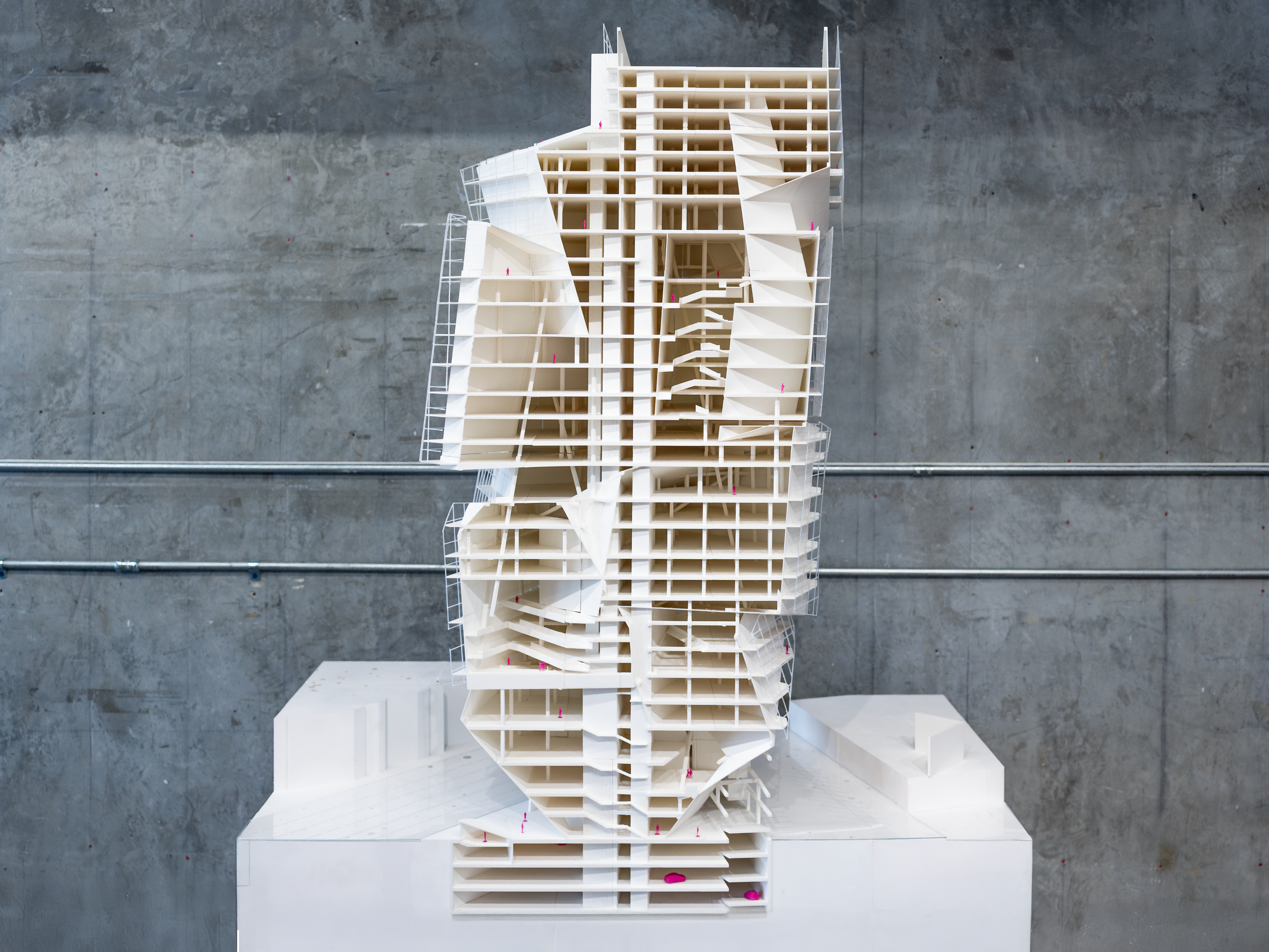
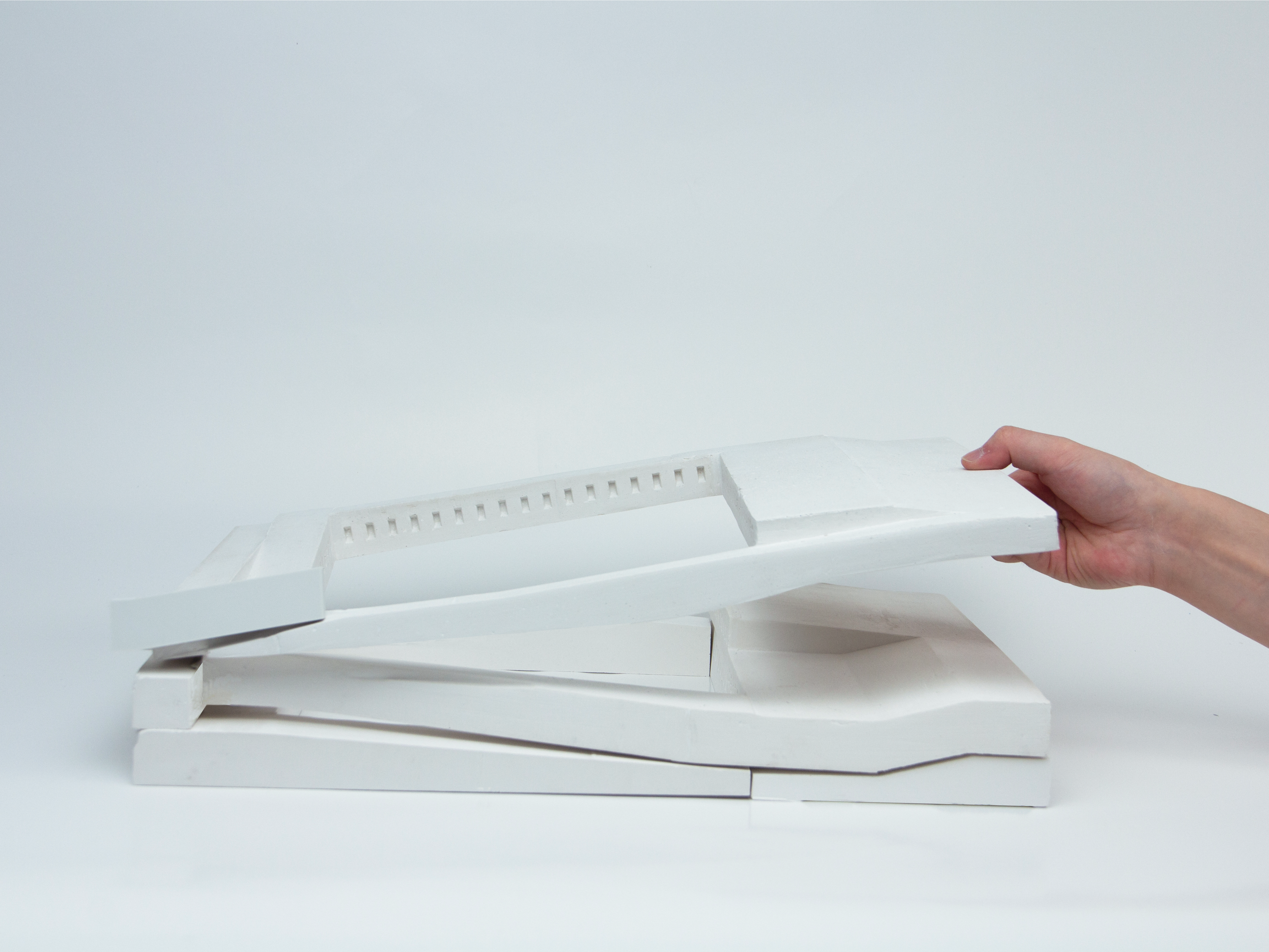
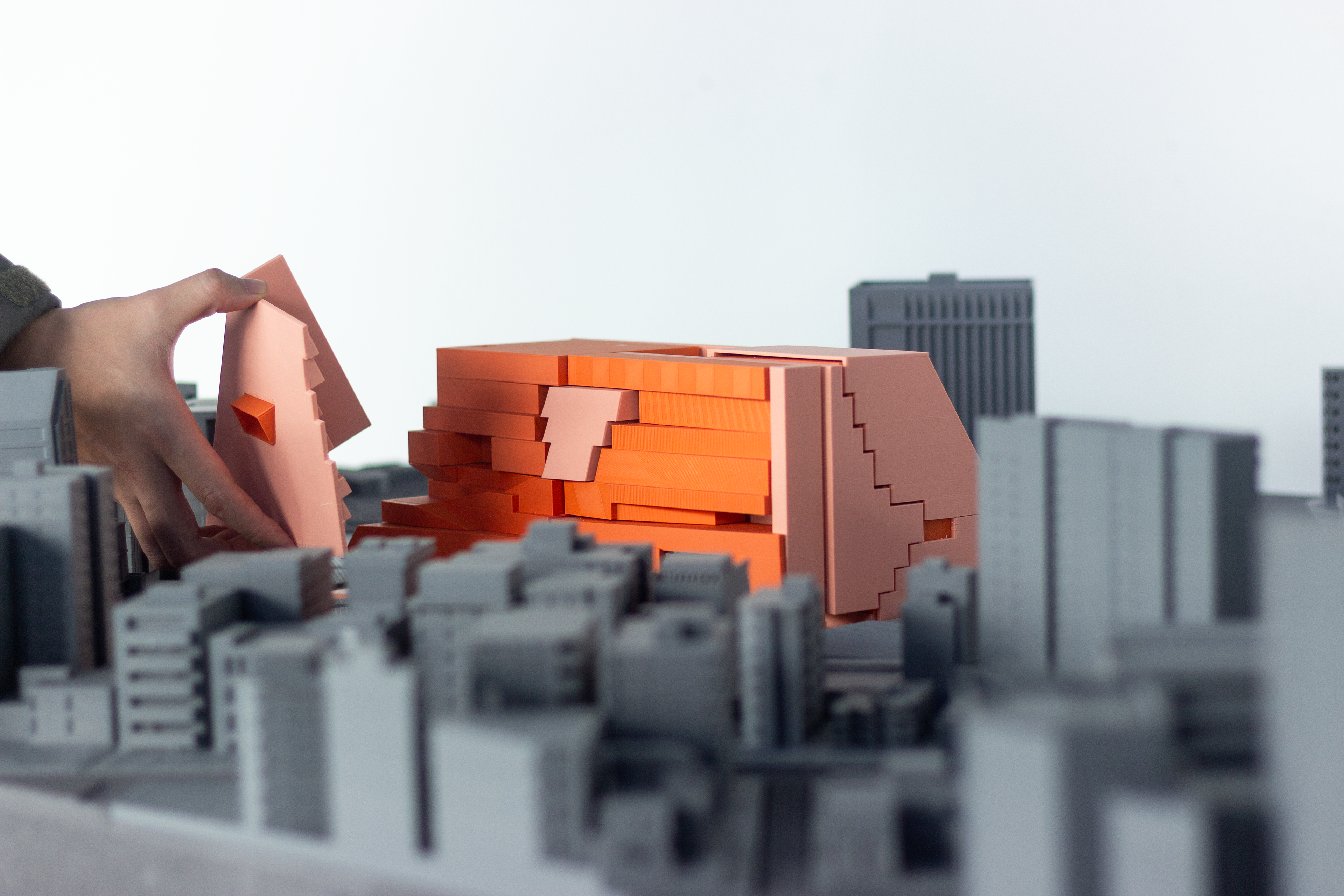
Massing Model revealing the layered spatial organization and formal composition that define the relationship between the interior voids and their relationship to its envelope, shaping the building’s inner-outer expression, programmatic performance, and opportunities for social interaction.
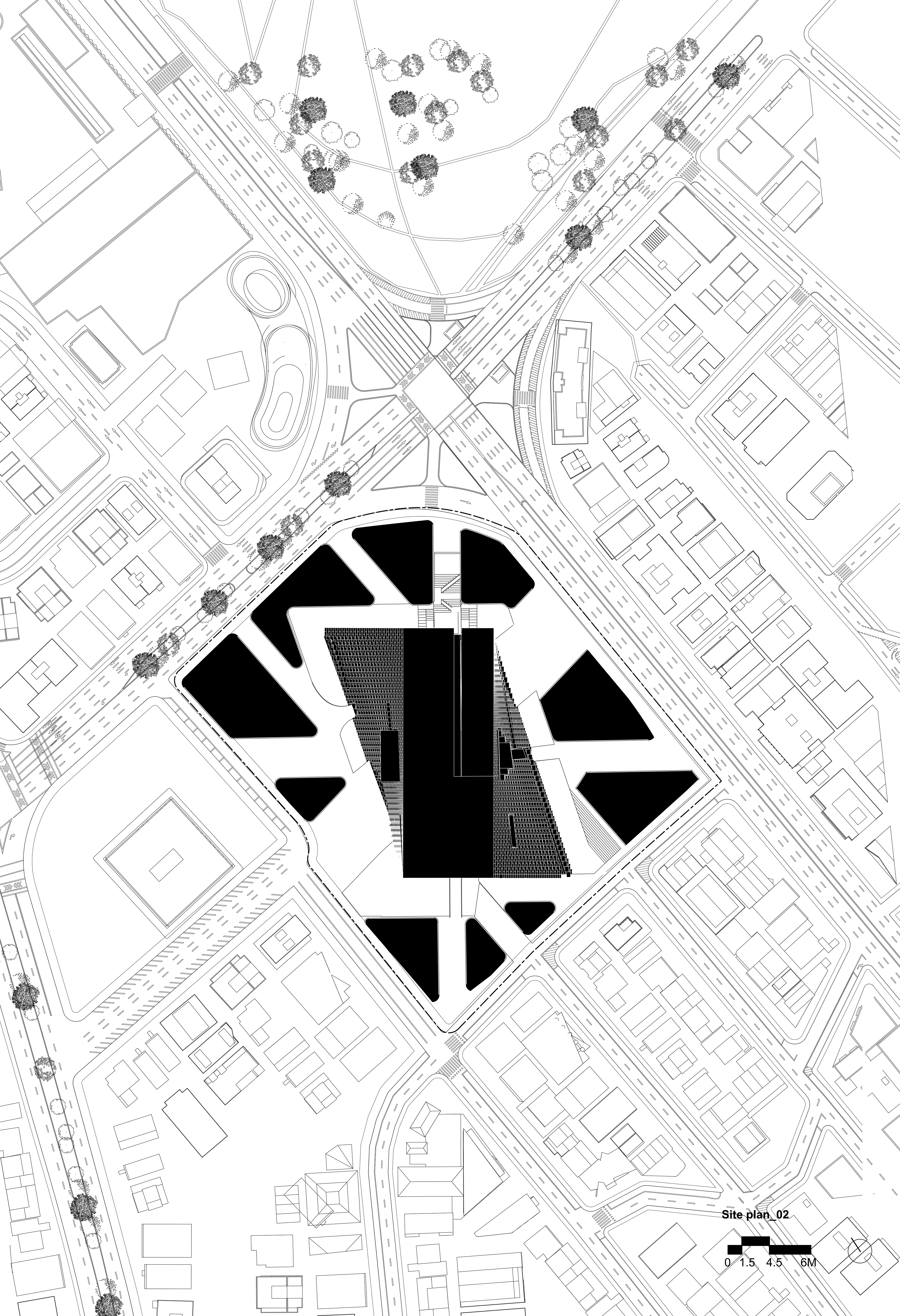
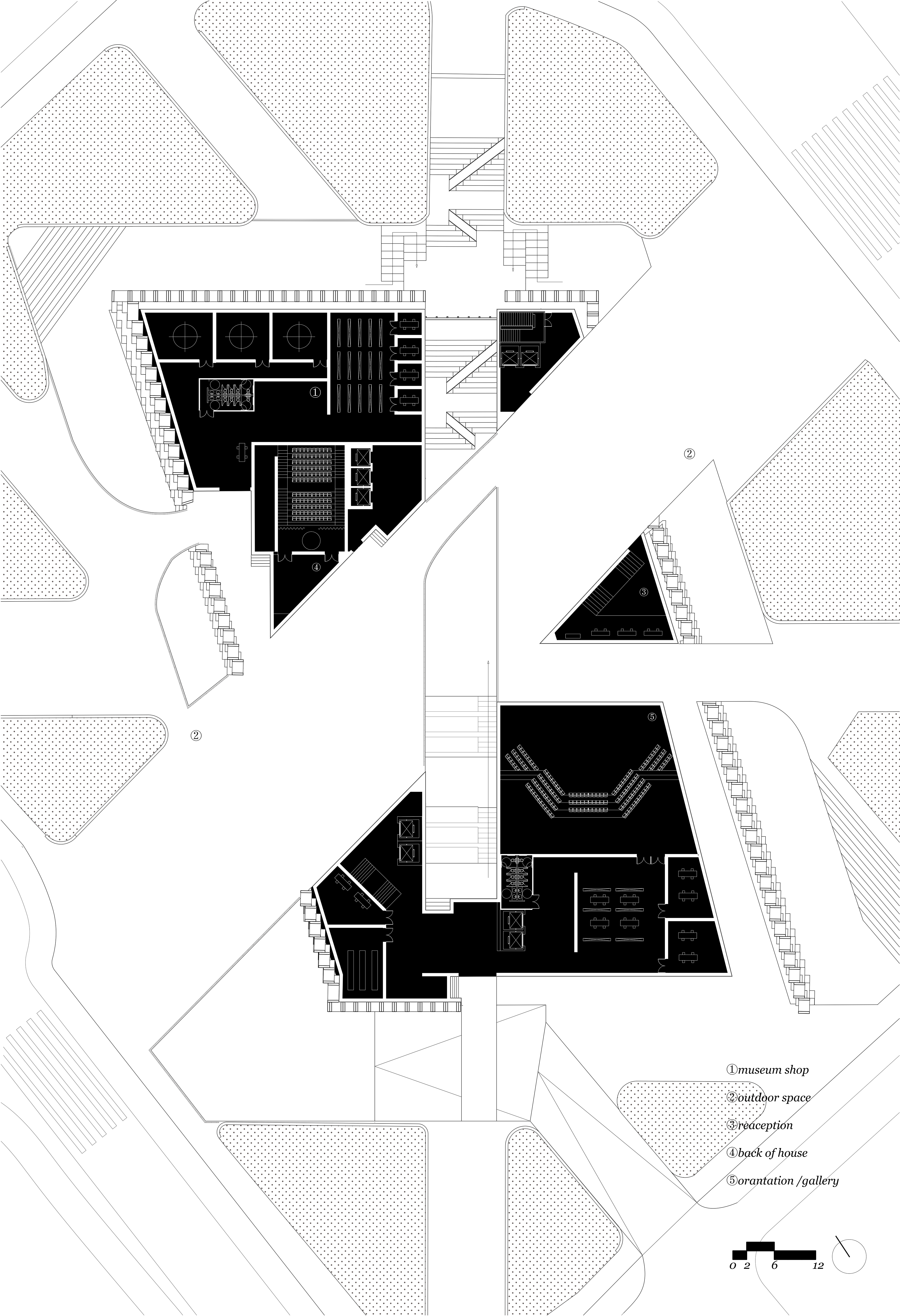
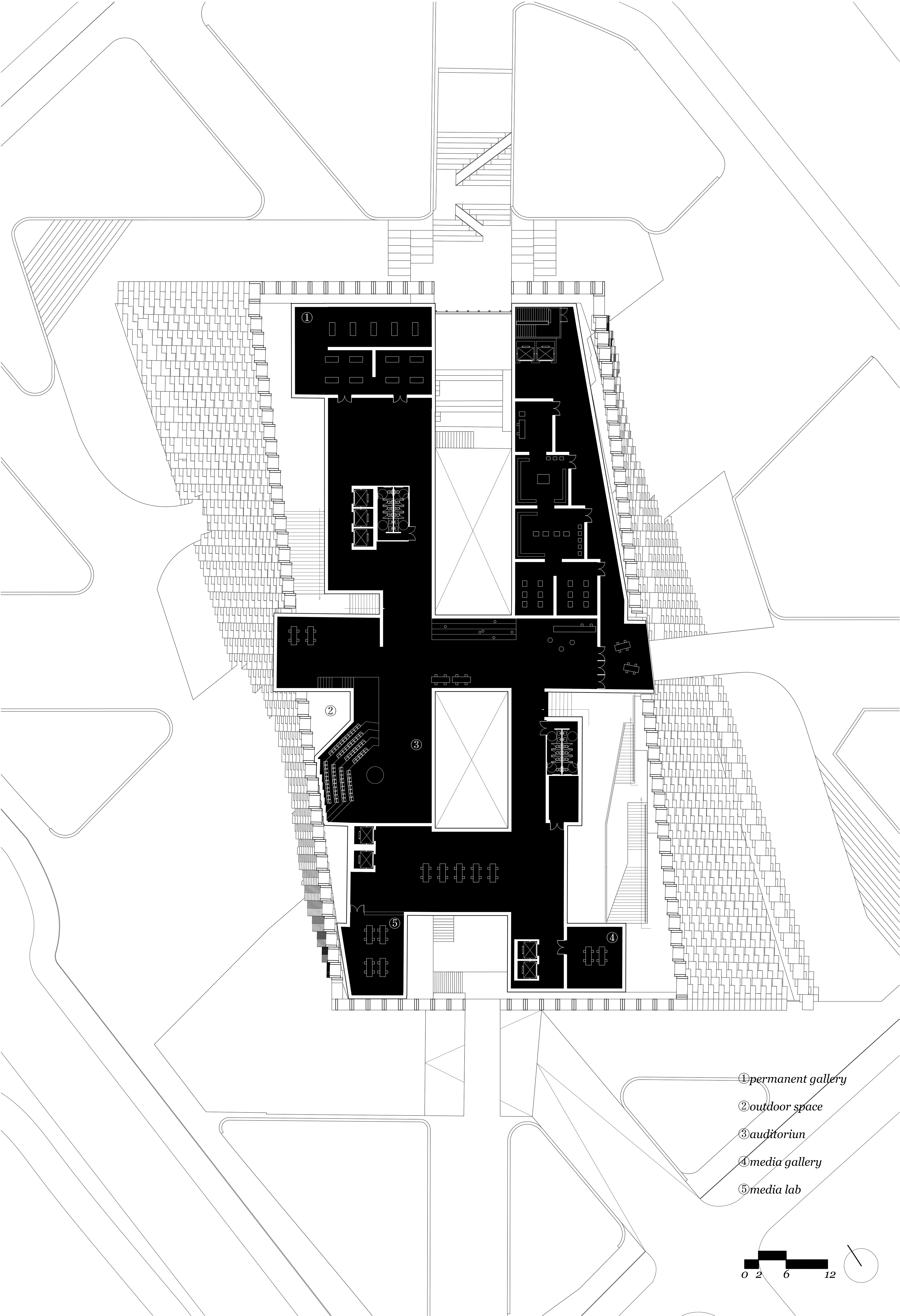
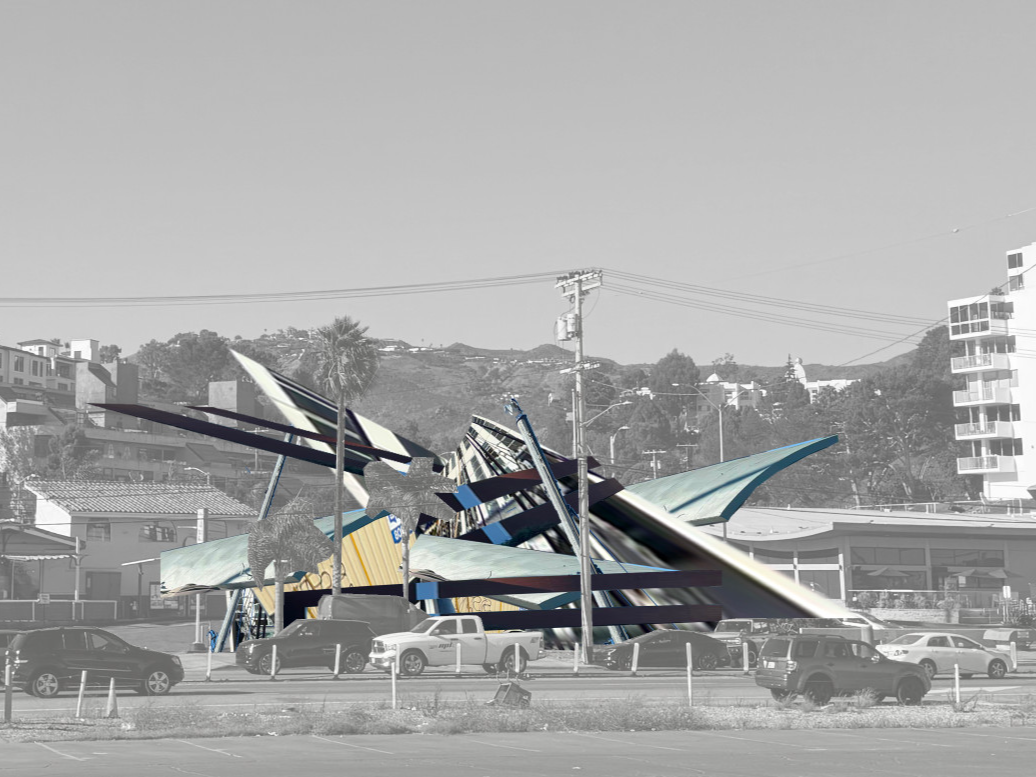
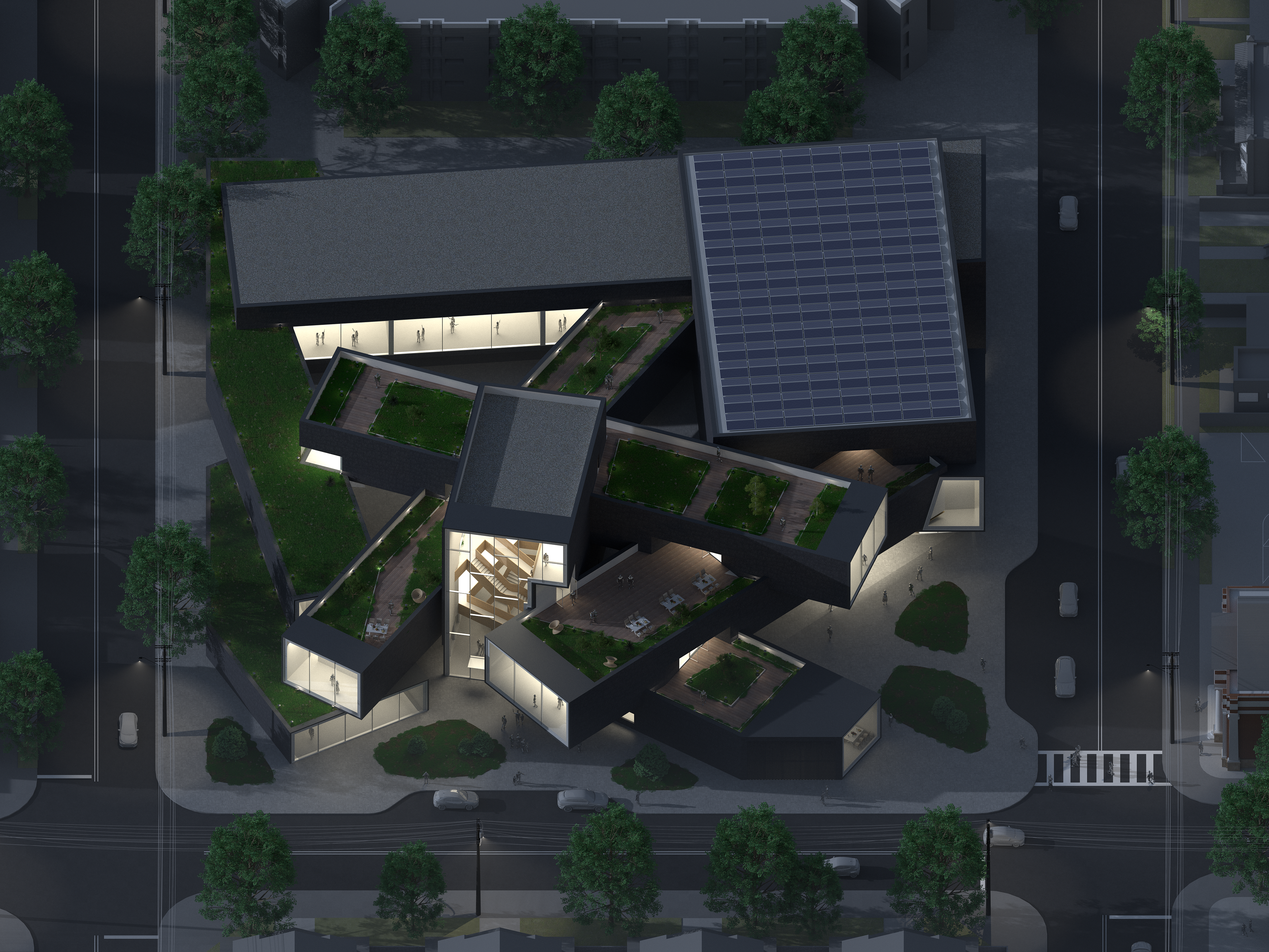
The site plan reveals the correspondence between the building’s orientations and the surrounding landscape organization, defining its formal relationship to the city and its broader urban context. Through shifting axes and reciprocal alignments, the project establishes a continuous dialogue between architecture, landscape, and the scale of the surrounding metropolitan fabric.
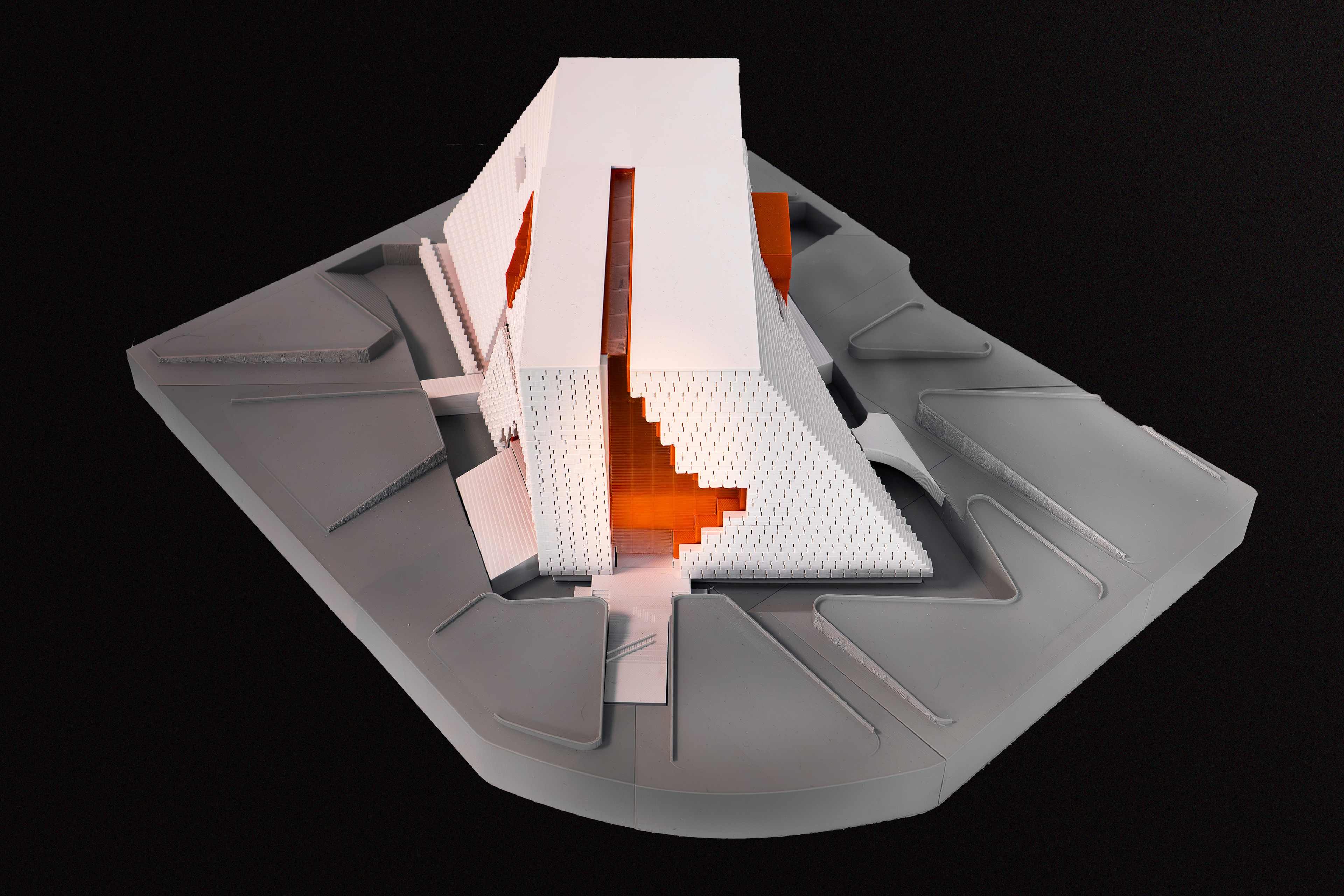
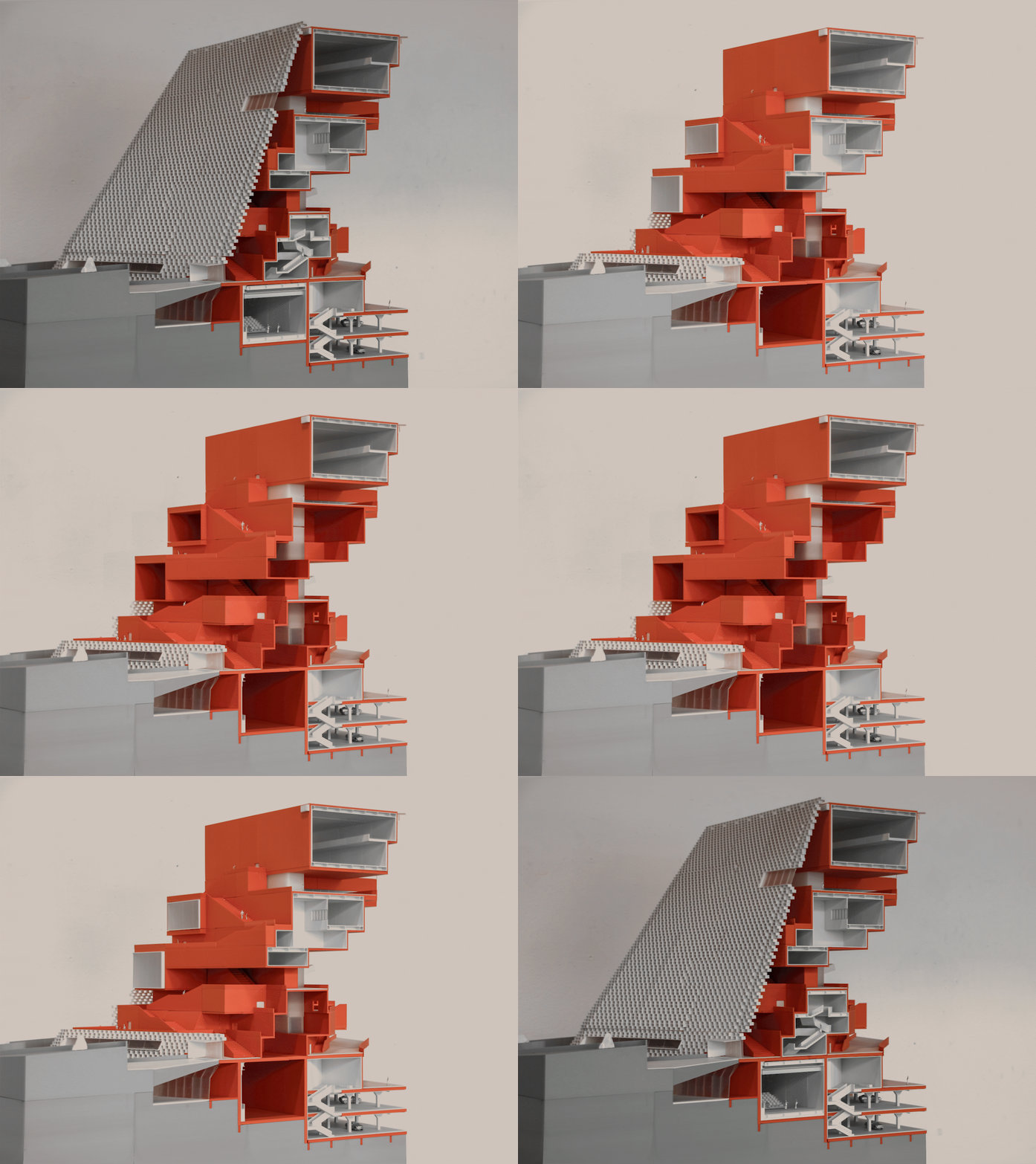
he site model reveals the building’s layered interior voids and their spatial relationship across the envelope. Each subtraction is precisely calibrated in scale and proportion, generating a hierarchy of linear yet inter connected voids that accommodate courtyards, social spaces, and points of entry.
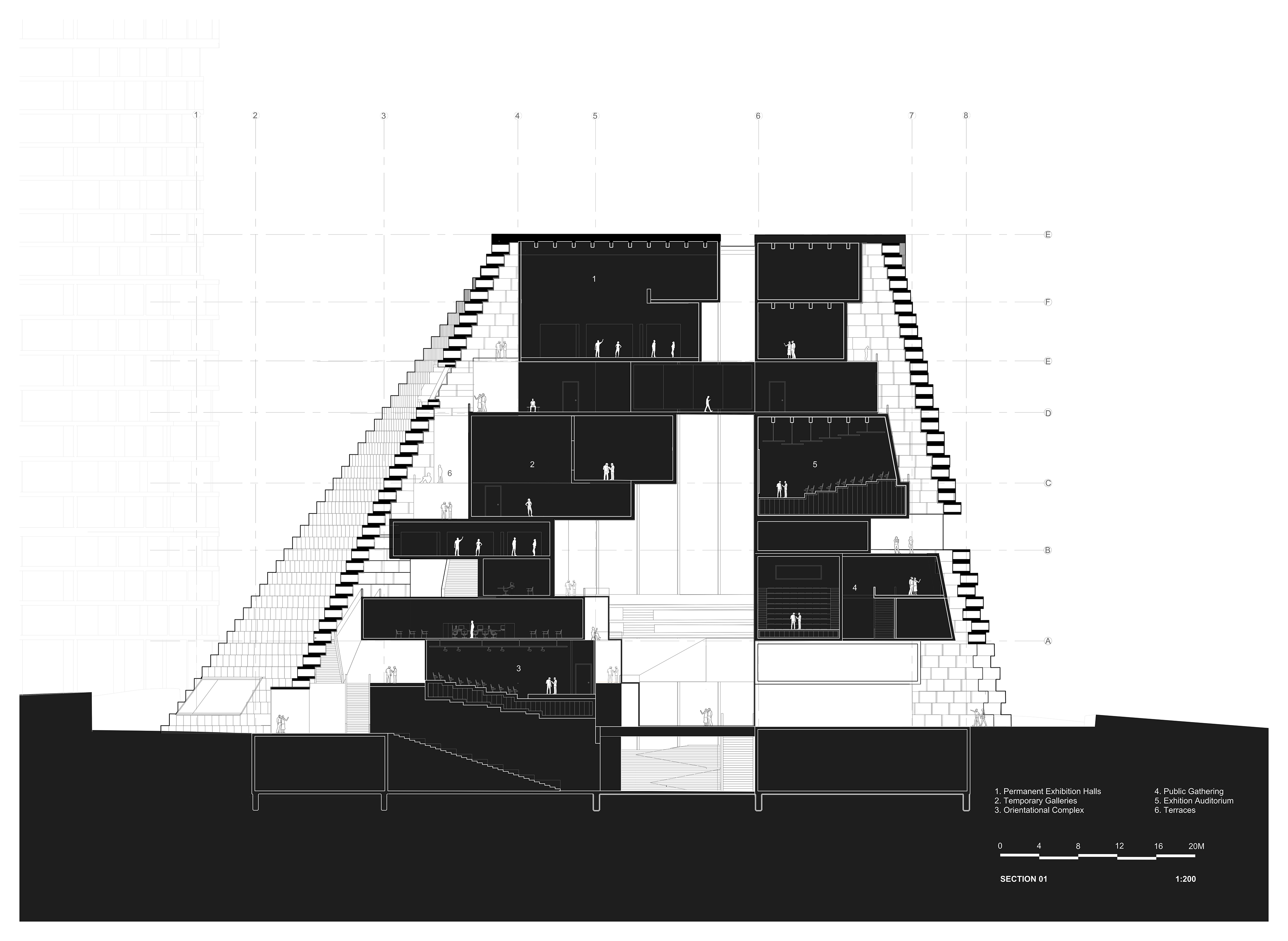
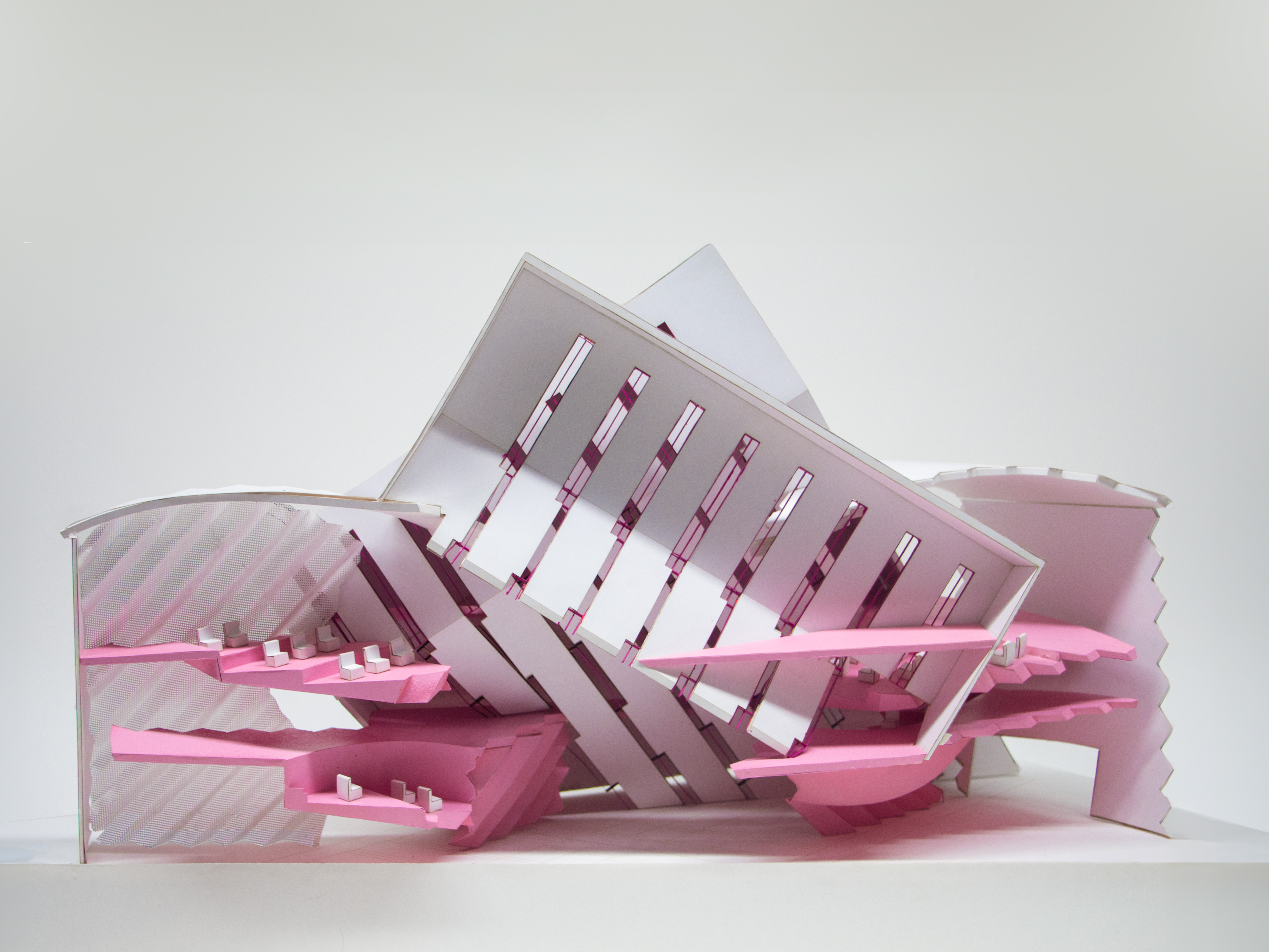
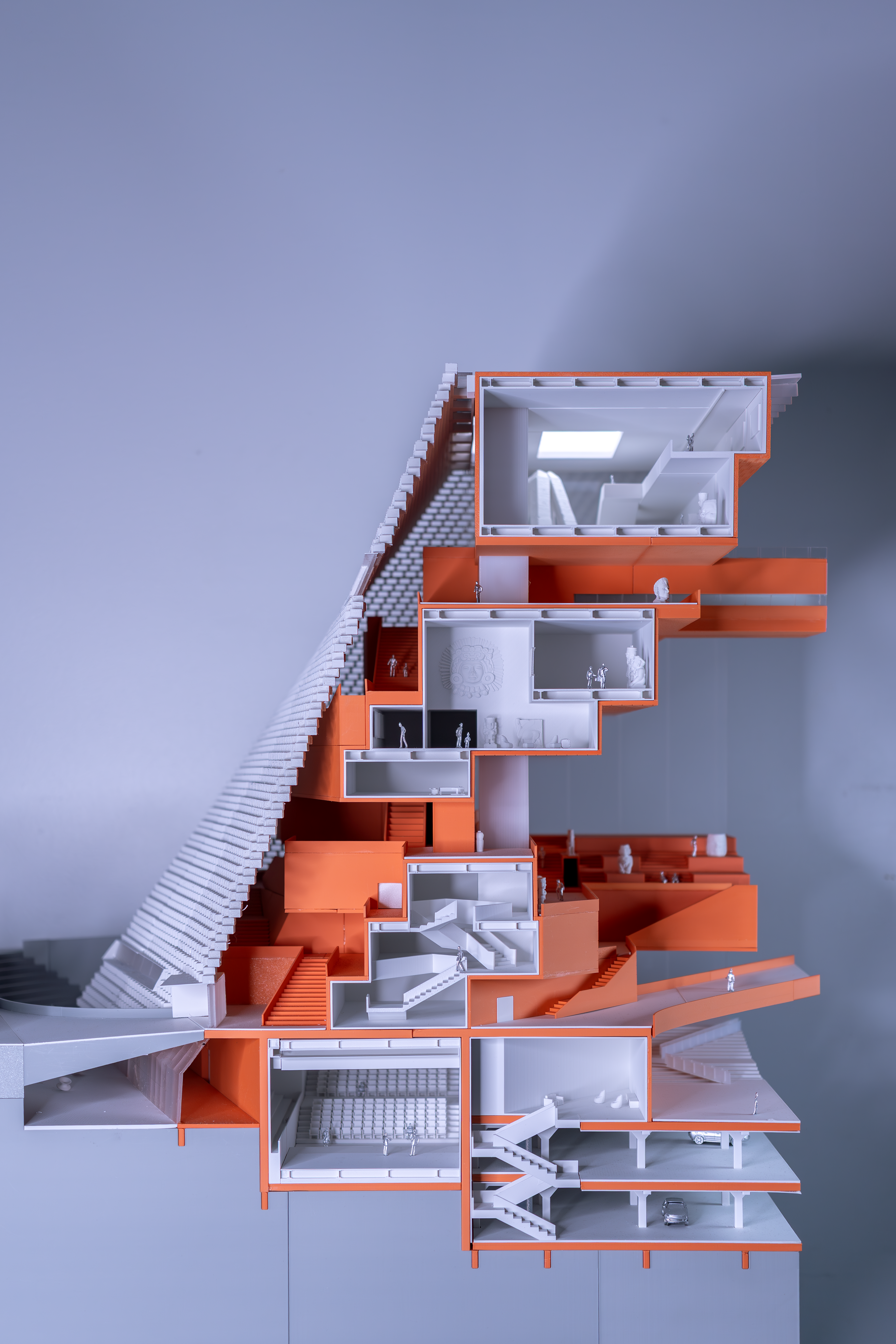
Detailed sections articulate the layered spatial organization and structural logic governing the relationship between program, void, and envelope. These systems establish a condition of simultaneous tension and reciprocity, articulating distinct yet interdependent relationships between inner and outer spatial skins
While the exhibition galleries operate within a conventional gridded framework of rooms, corridors, and display spaces, the voids incise through the building mass to construct fluid circulation networks that traverse between collective and private spaces. Circulation is therefore embedded as an operative architectural system rather than an auxiliary element, producing semi-private thresholds for informal occupation and collective interaction during transitional movement.
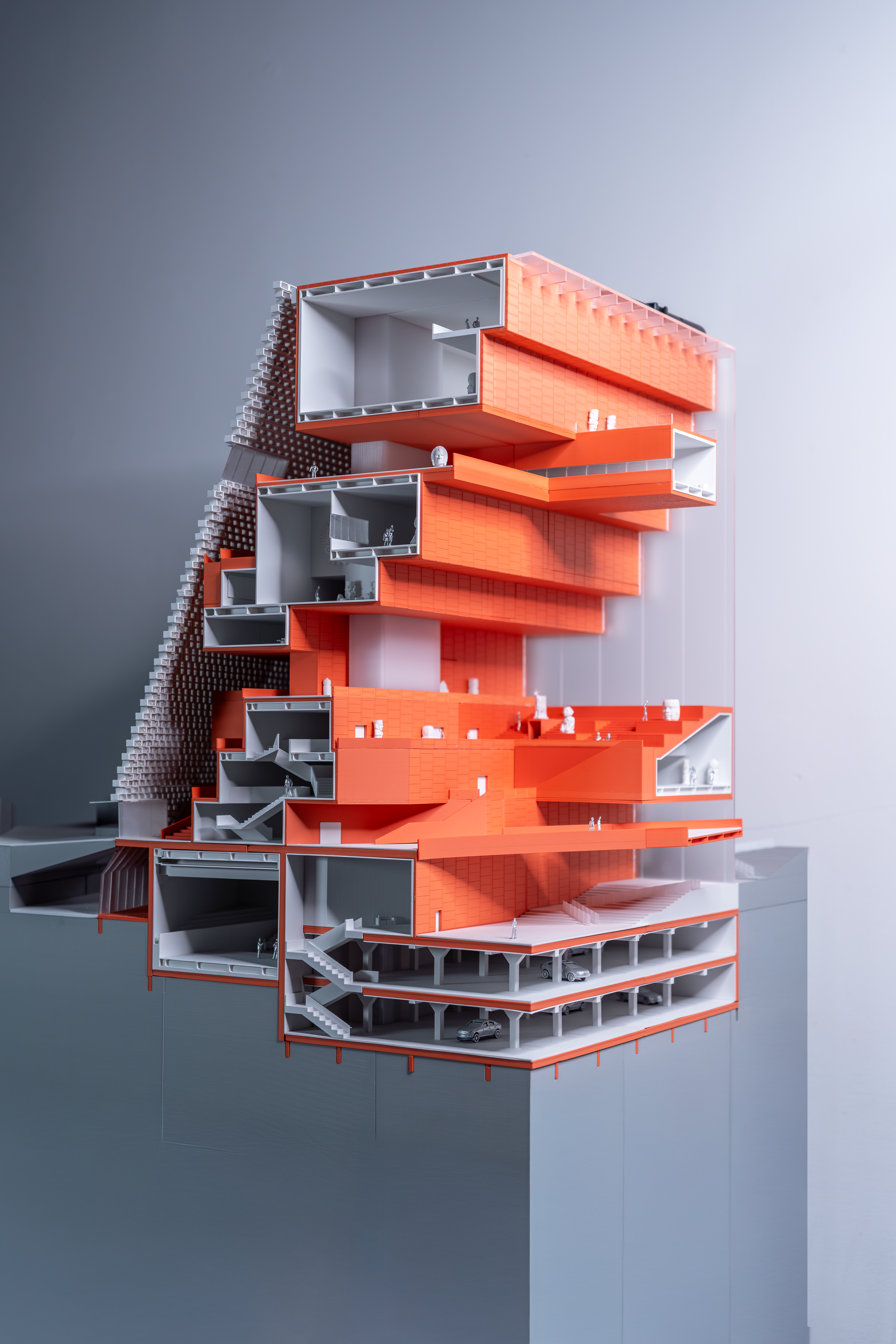
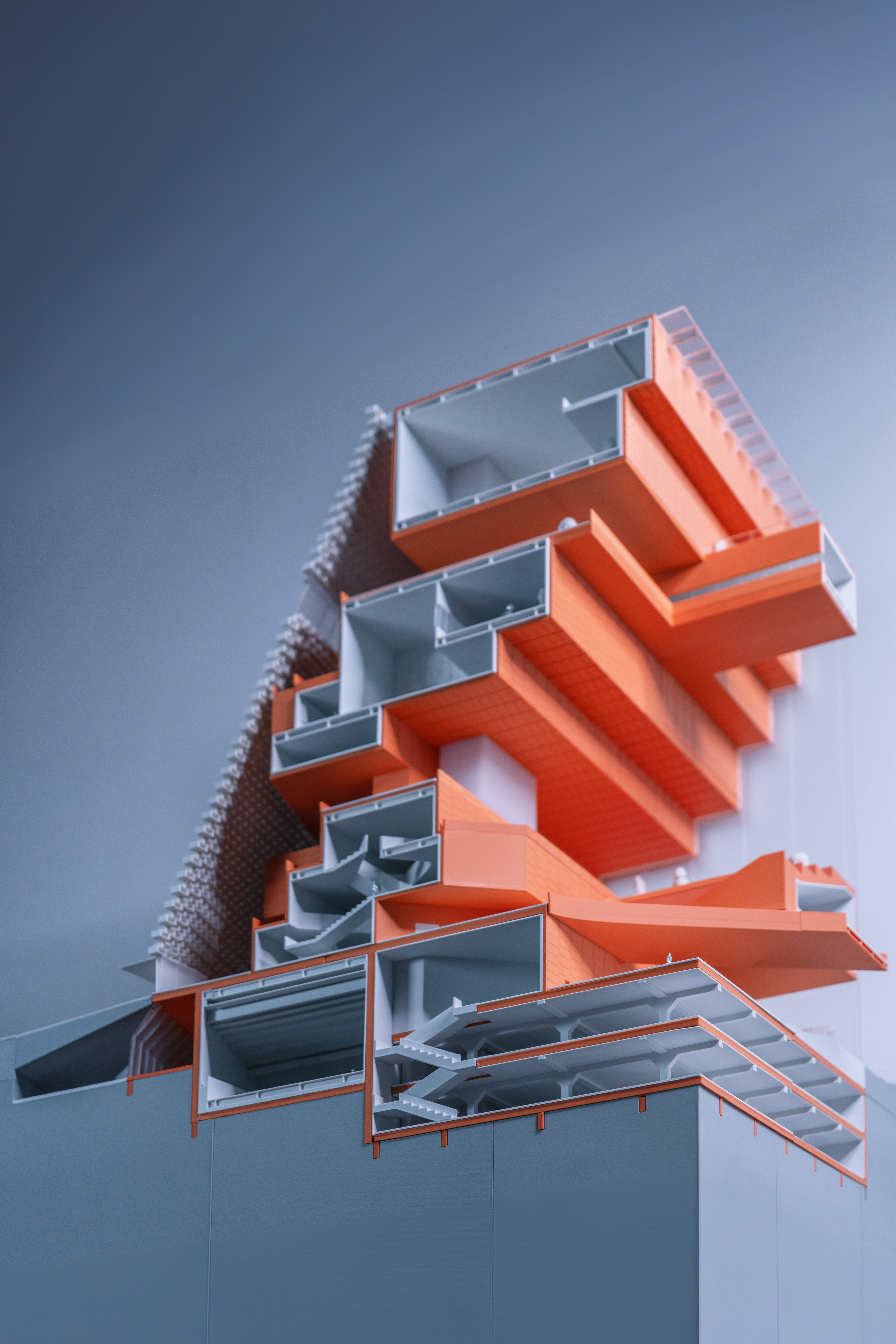
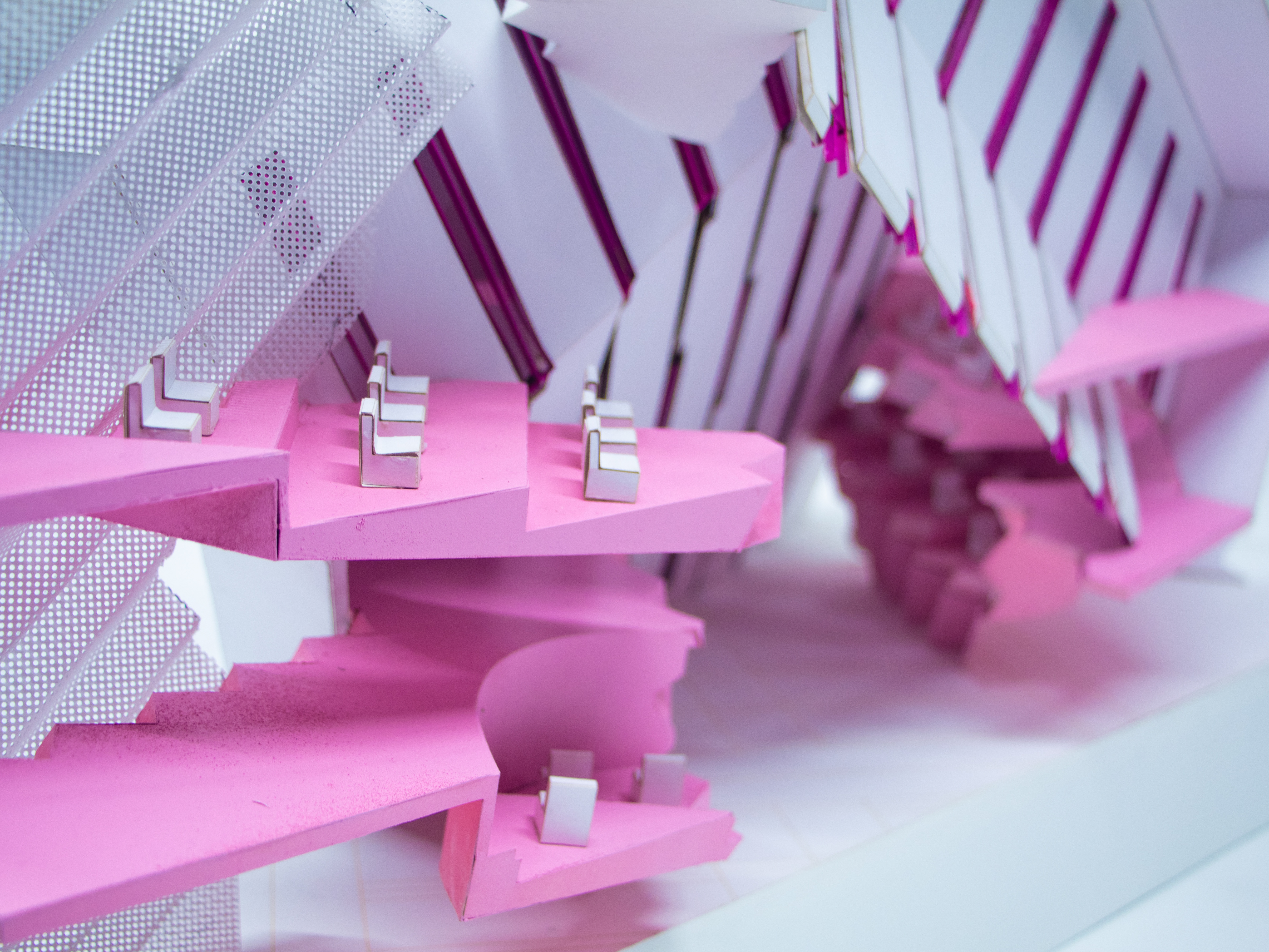
The central void is articulated through stacked and stepped geometries organized around a vertical atrium, amplifying the sectional depth and spatial continuity of the interior volume. These formal operations transform the void into an inhabitable civic field that accommodates collective gathering, elevated viewing platforms, and extensions of the exhibition environment. Through modulated profiles and offset terraces, the tectonic system choreographs visual and spatial relationships toward the collective interior, positioning exhibition as an embedded condition within a continuous architectural framework.
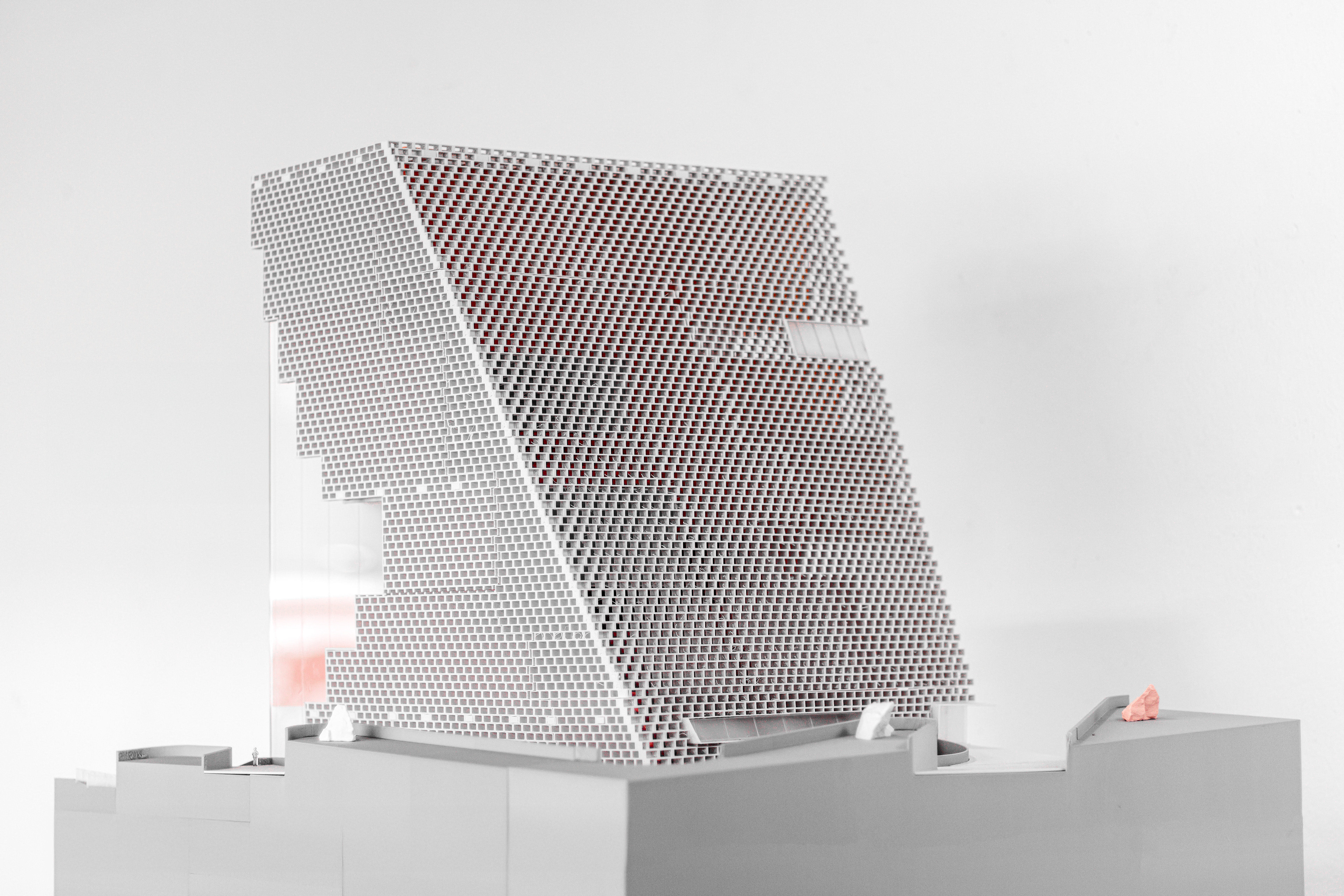
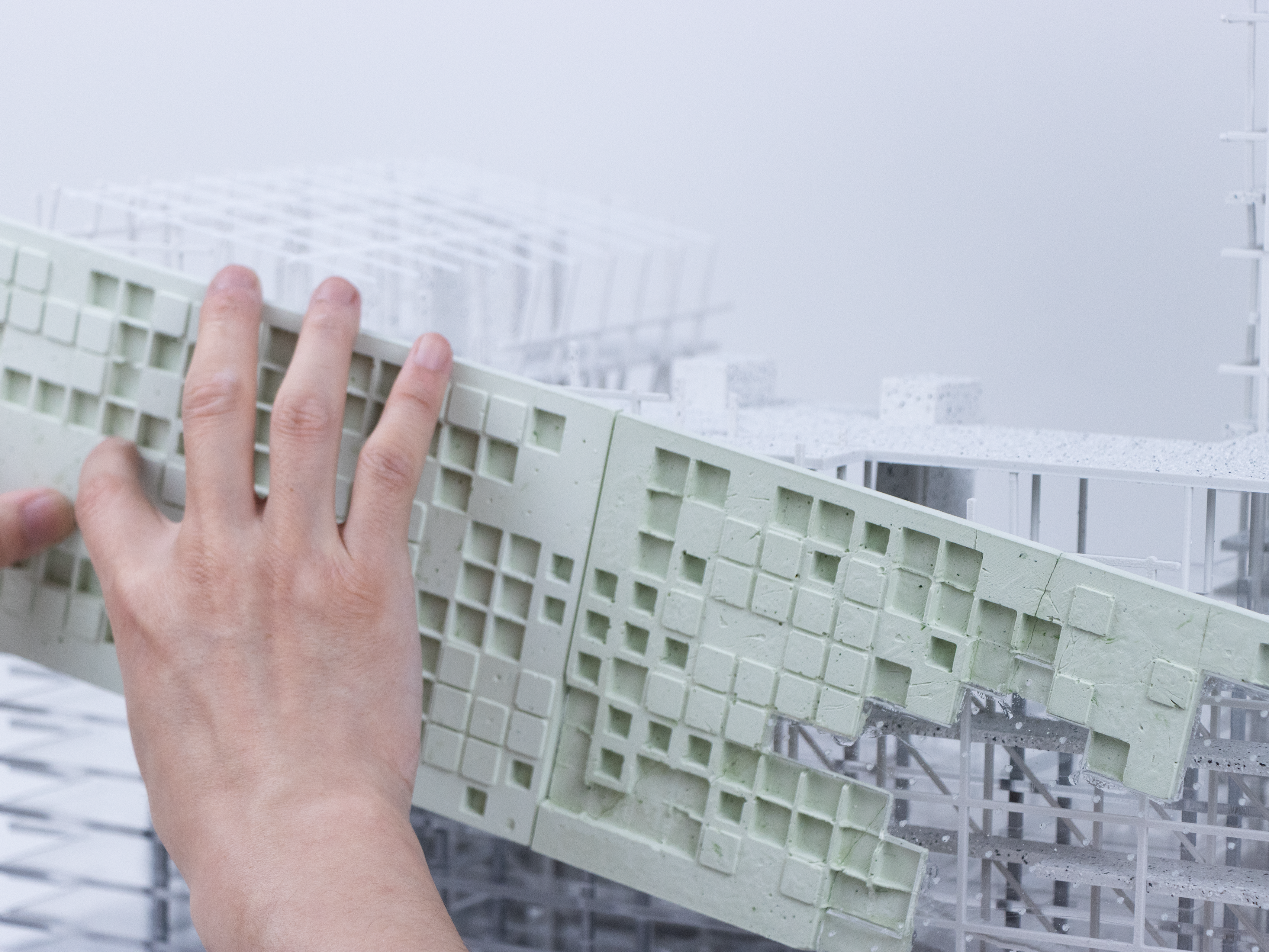
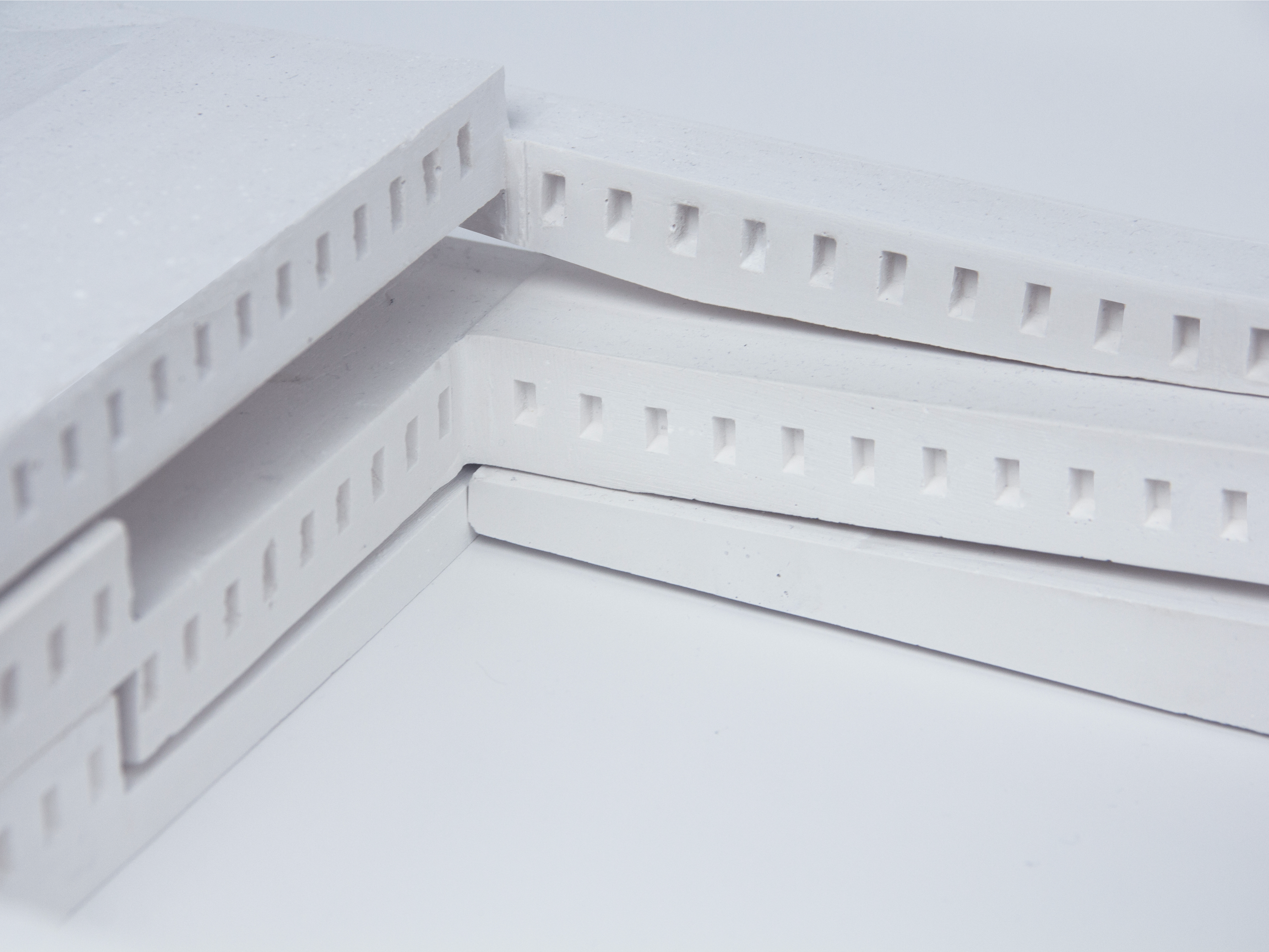
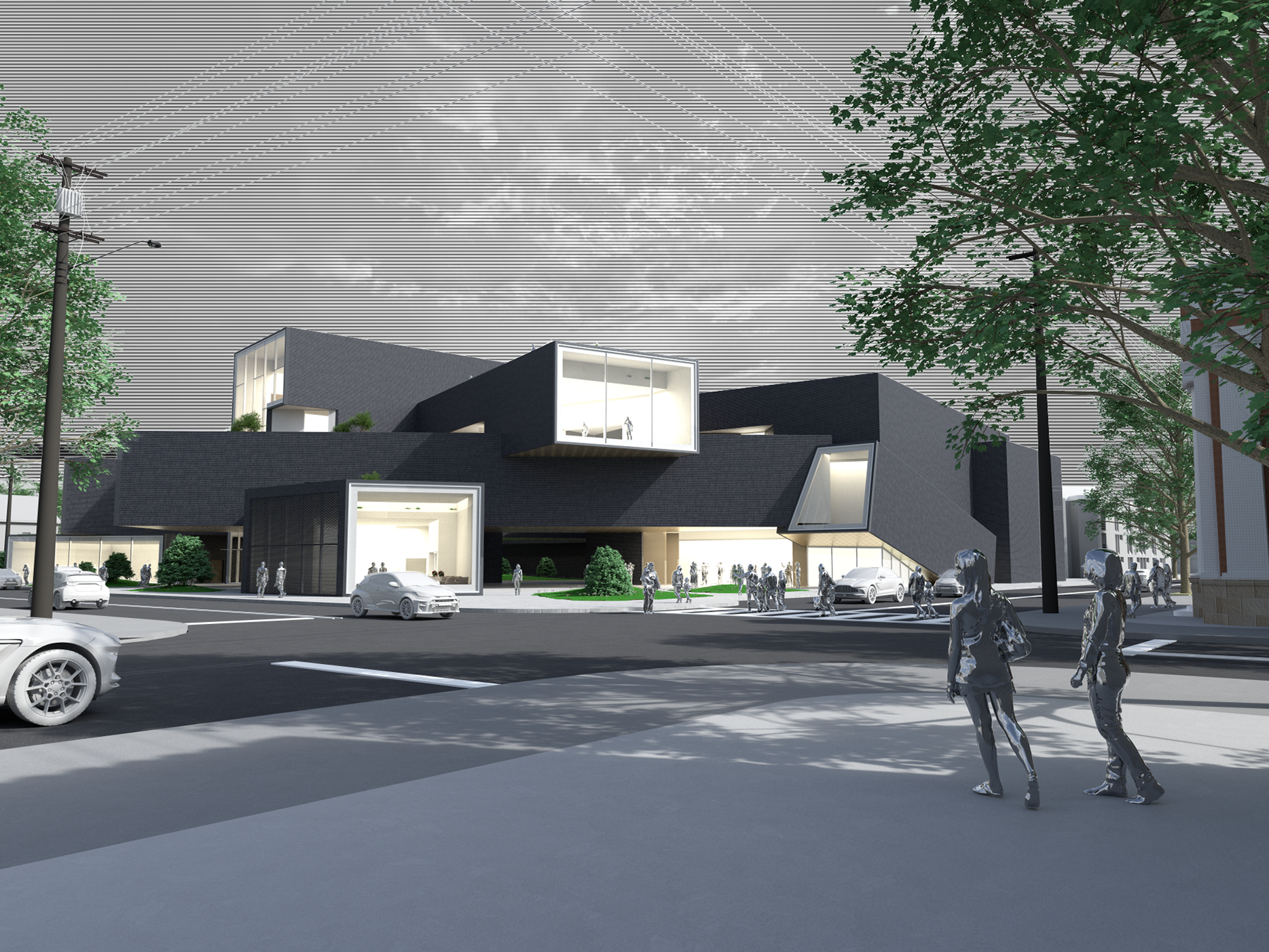
By treating void as program rather than absence, the project dissolves the boundary between solid and empty. The resulting envelope operates simultaneously as veil and porous field, composed of perforated layers of hollow brick that construct a continuous spatial framework mediating between the scale of the city and the experience of the individual. Through this recursive yet muted tectonic surface, the cultural identity of Ecuador is embedded within the facade itself, allowing the building to project its civic presence as both cultural symbol and urban interface.