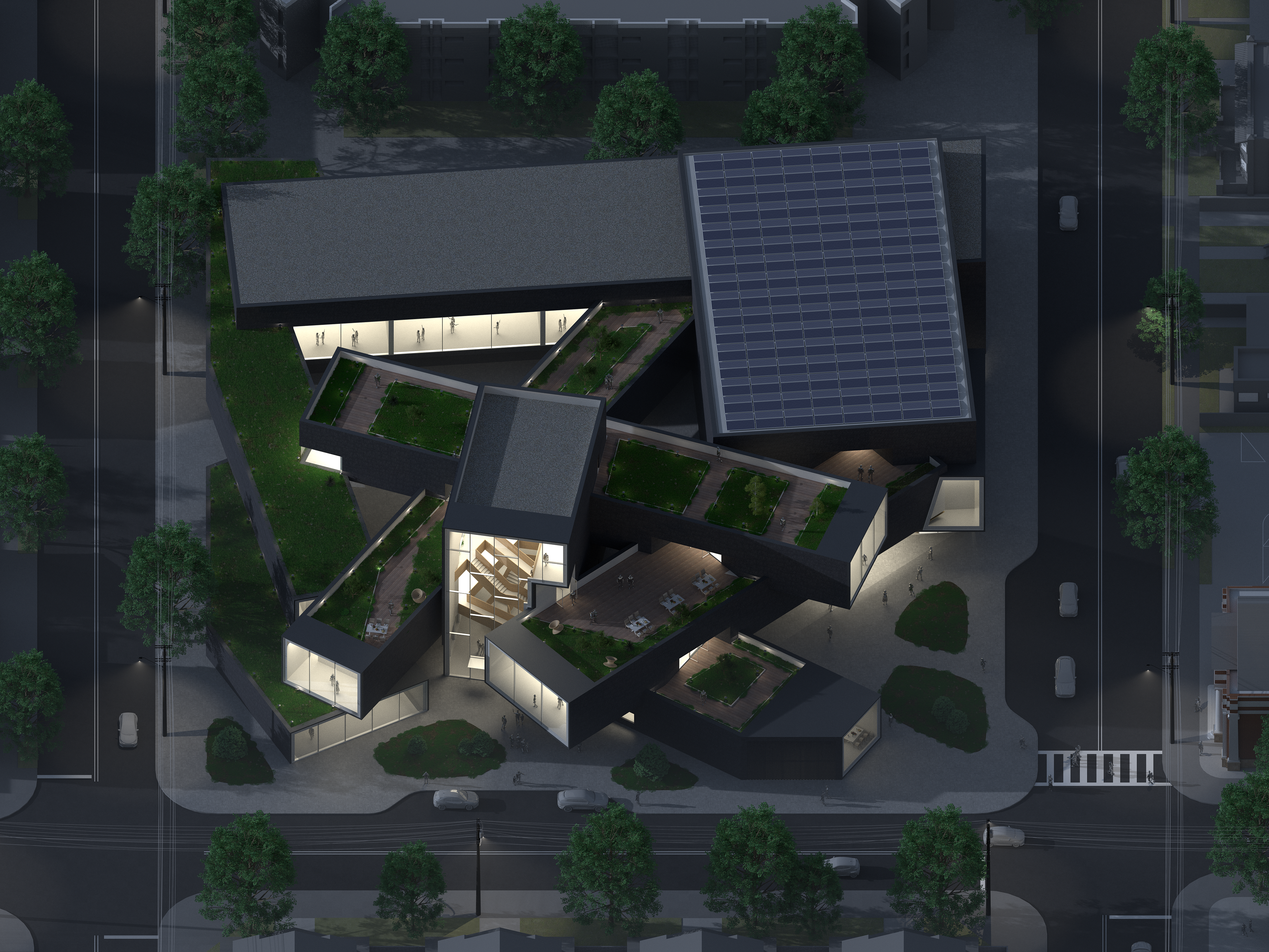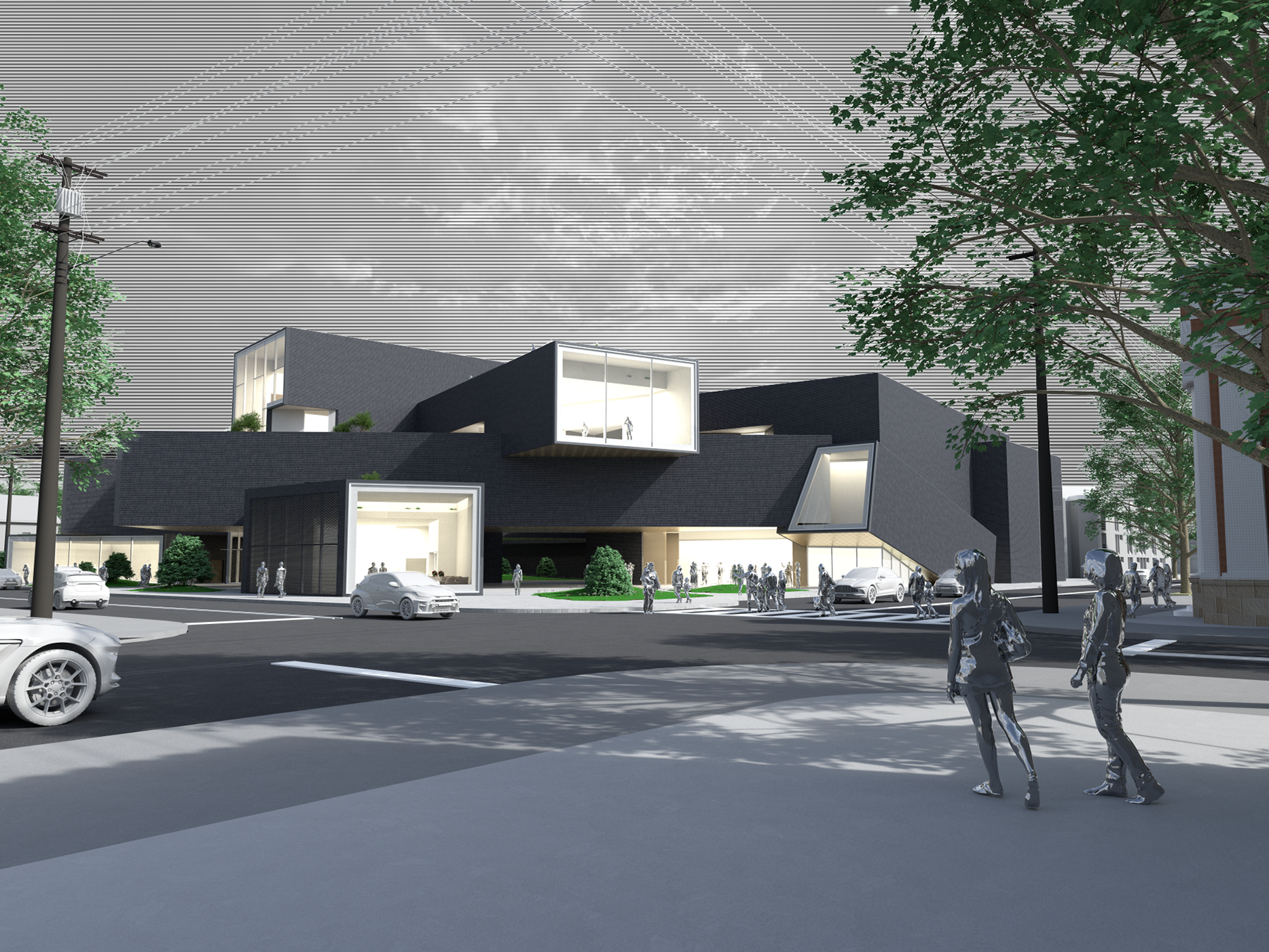
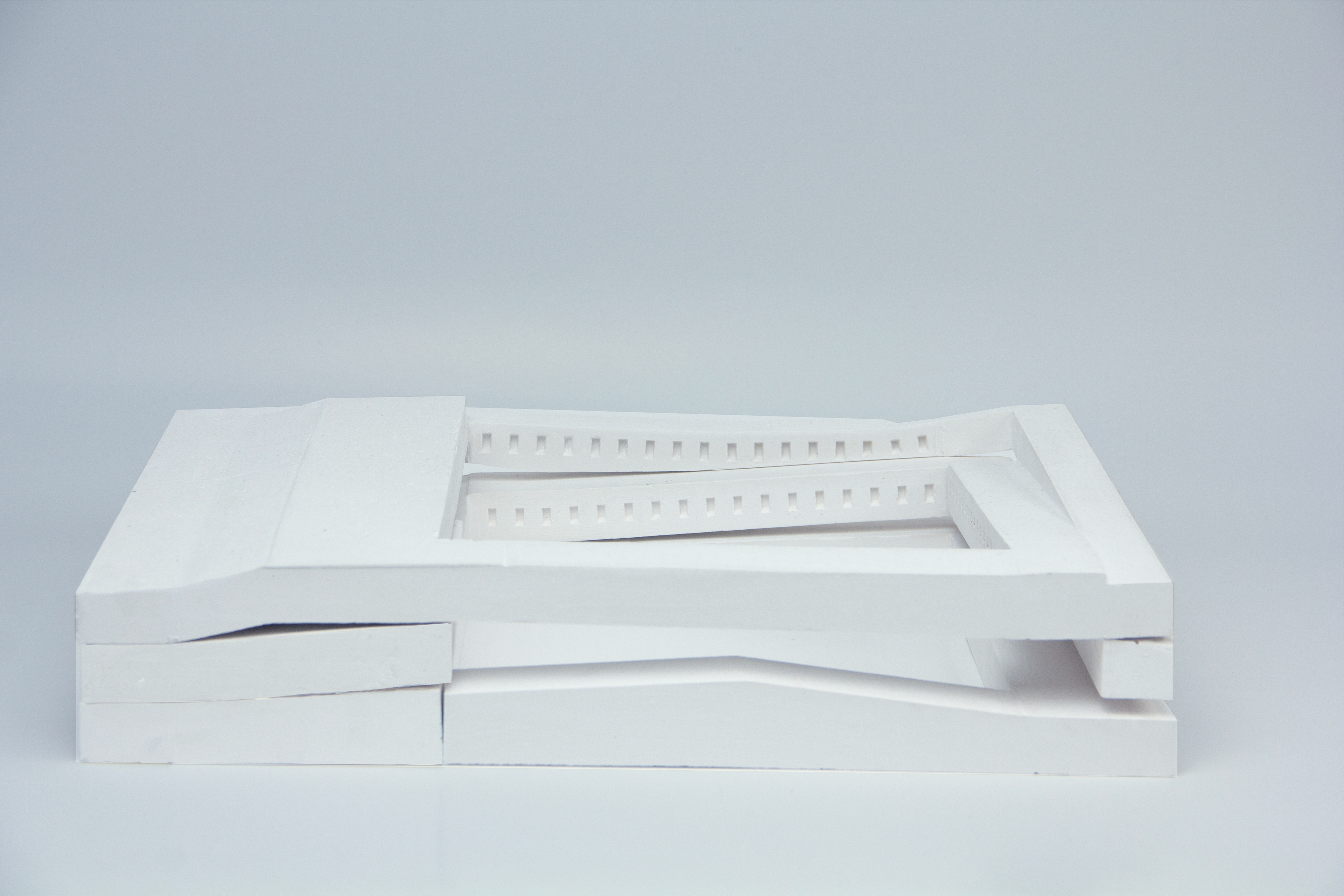
Located at 6250 Sylmar Ave in Van Nuys, the project rethinks the archive as a neighborhood institution. Instead of treating records as distant civic documents, the building brings memory, education, reading, and childcare into a shared public space embedded within the everyday fabric of the San Fernando Valley.
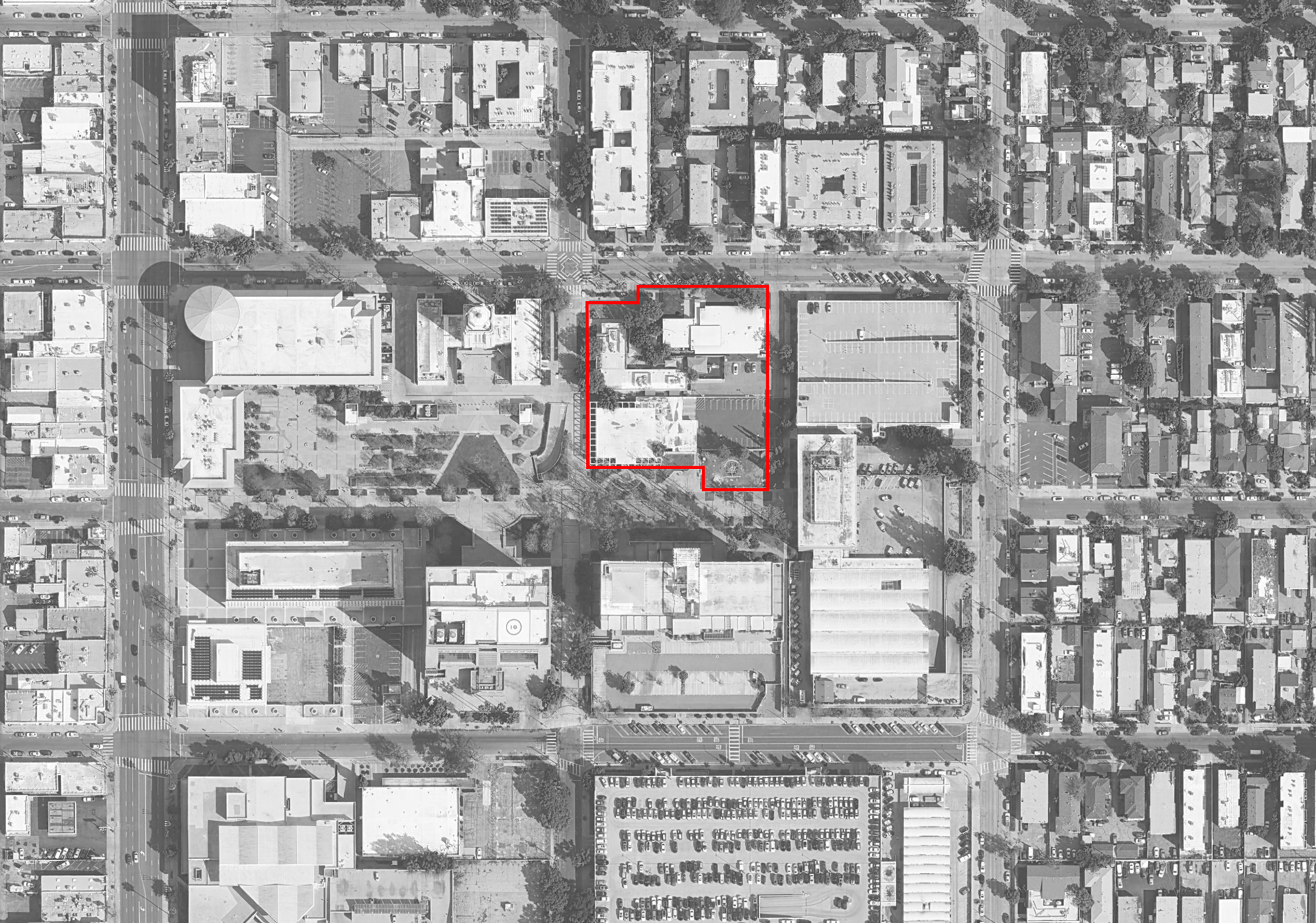


The act of archiving represents not only the transition between past and present, but also the underlying order of a nation.
This project begins with the fundamental function of documentation starting from each individual's birth certificate to explore the formal power and significance a single archive can carry.
This project begins with the fundamental function of documentation starting from each individual's birth certificate to explore the formal power and significance a single archive can carry.
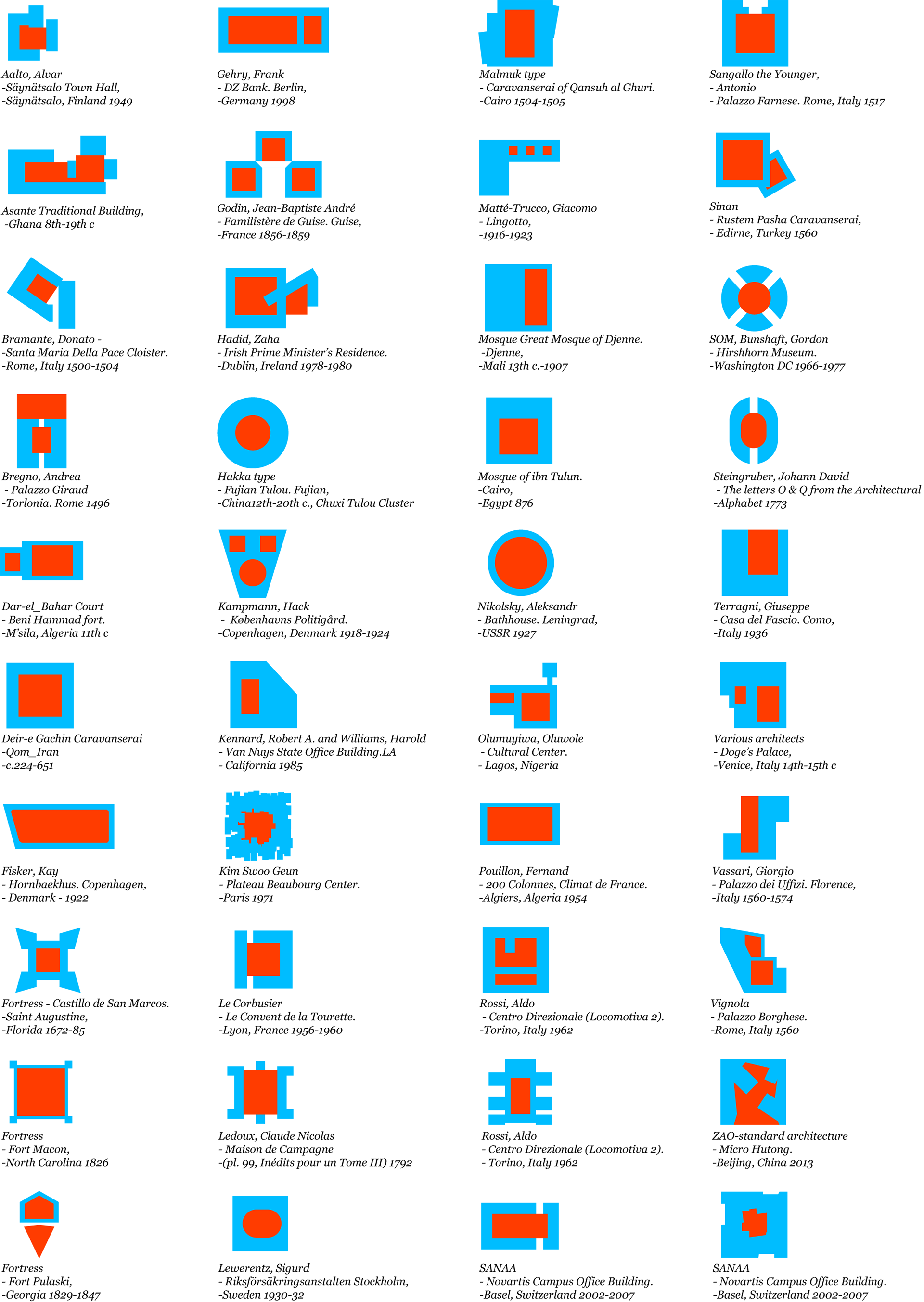
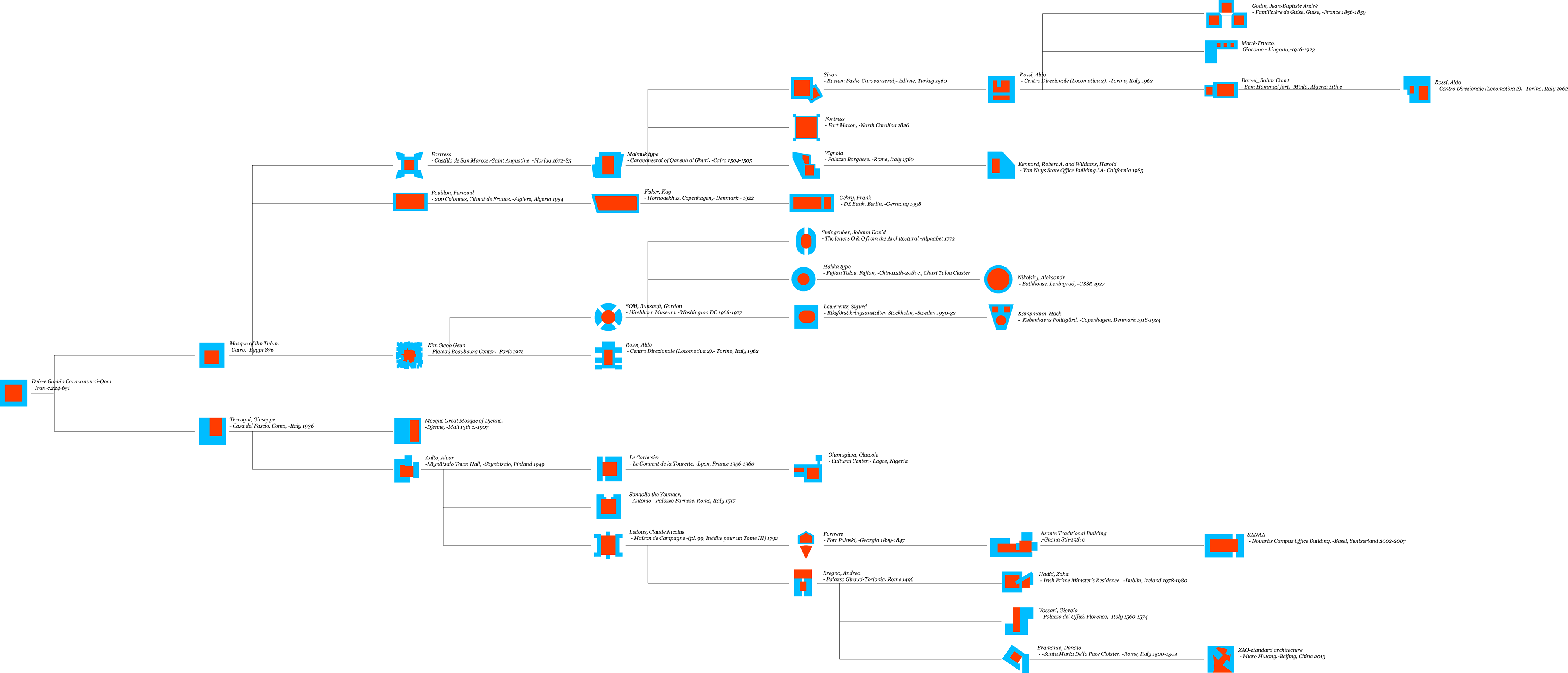
abstracting historical and contemporary precedents into simple blue and orange diagrams, it compares the relationship between mass, void, enclosure, and center.
The left side works as a typological archive, cataloging variations such as central courtyards, linear courts, nested courts, multiple courts, and porous courtyard systems. The right side reorganizes these examples into a genealogical map, showing how the courtyard evolves across different cultural, functional, and historical contexts.
For this project, the courtyard becomes more than an open space. It operates as a spatial device that connects the archive, library, and kindergarten through circulation, visual connection, and collective activity.
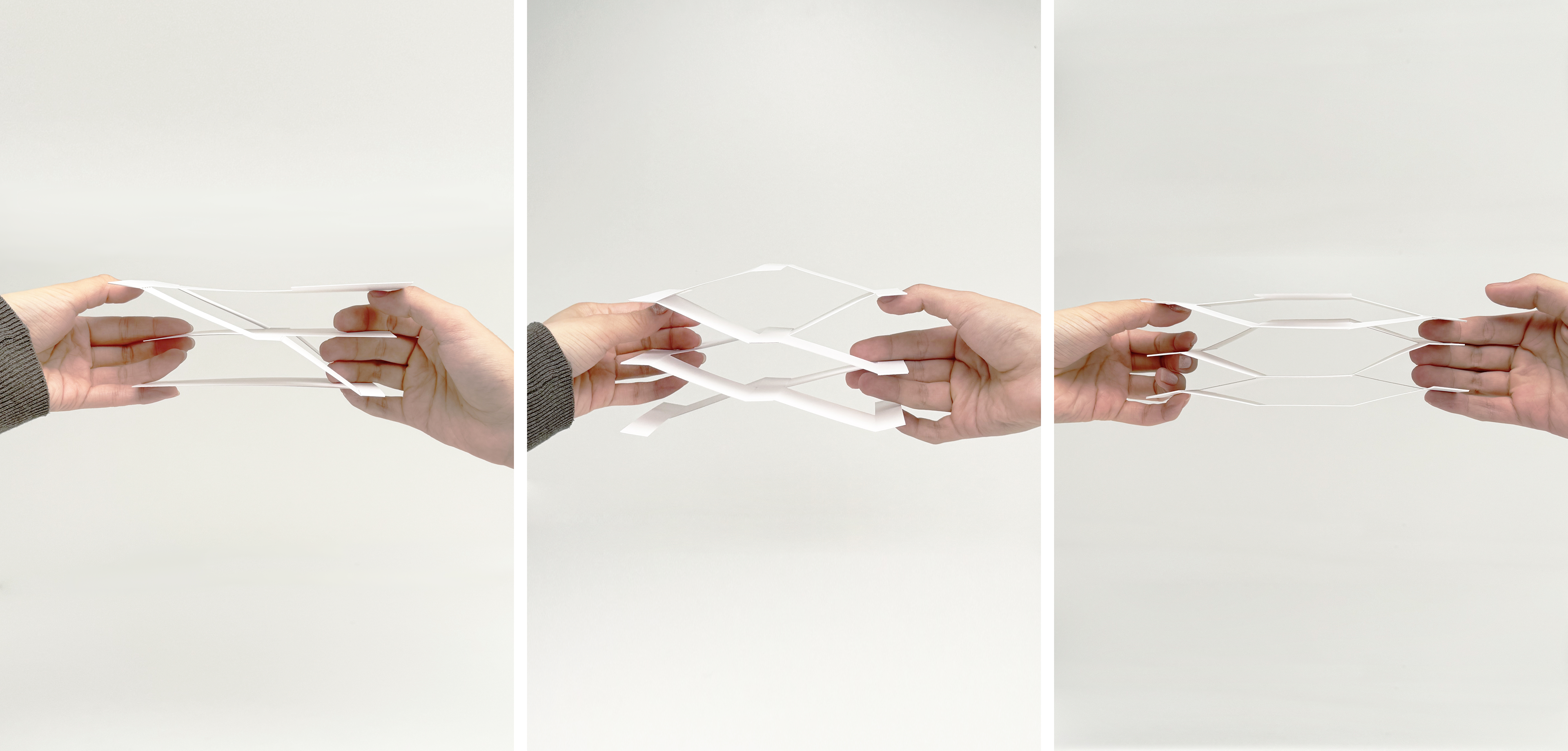
Ramp Study— Layered Offset
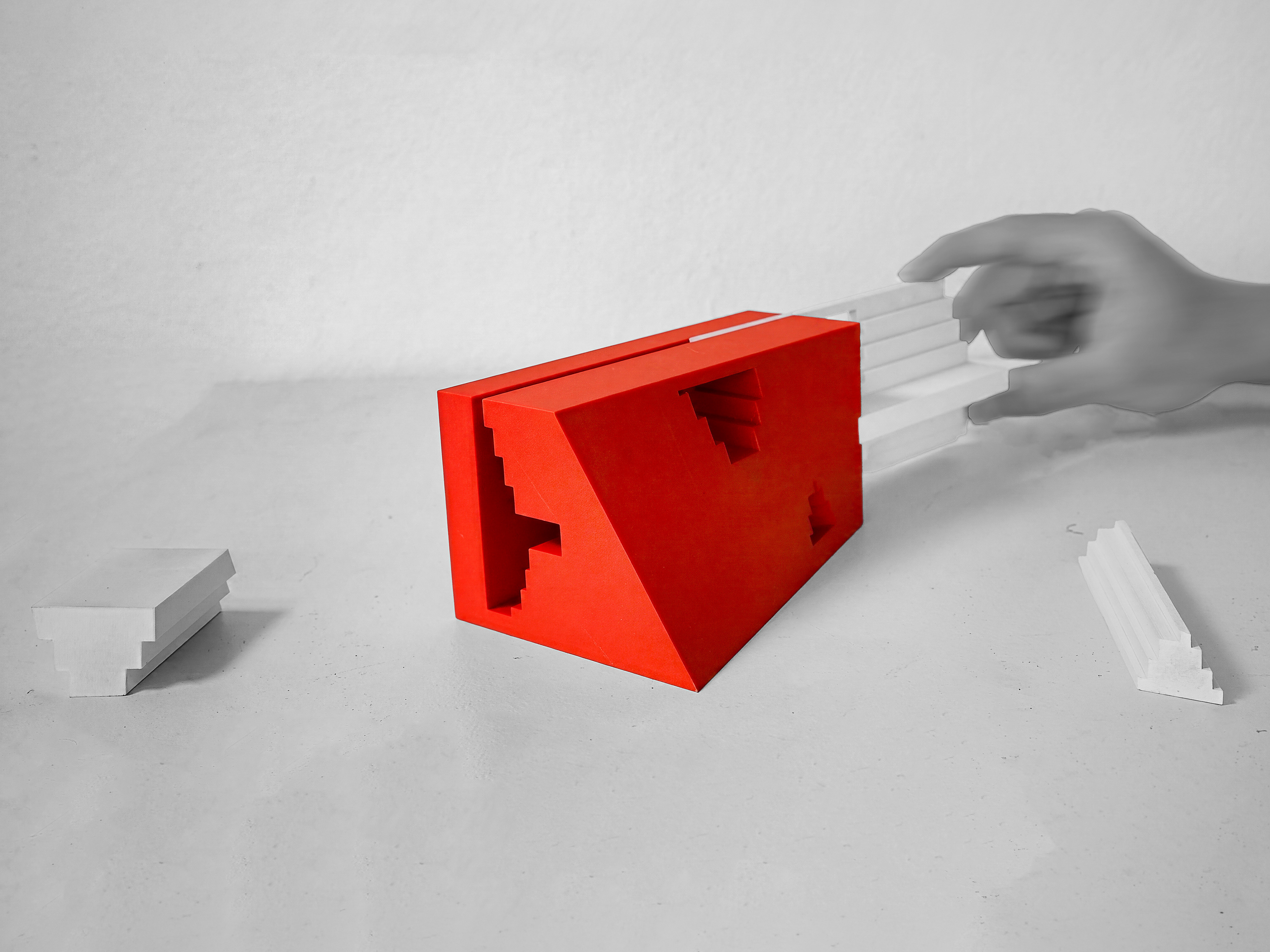
This study explores a layered ramp system where multiple circulation planes are vertically offset and connected through angular transitions. Instead of a single continuous path, the ramp becomes a stacked spatial framework that creates overlap, separation, and visual porosity. The gaps between layers allow light, views, and movement to pass through, suggesting a more open and flexible circulation structure for the archive, library, and kindergarten program.
This study explores a layered ramp system where multiple circulation planes are vertically offset and connected through angular transitions. Instead of a single continuous path, the ramp becomes a stacked spatial framework that creates overlap, separation, and visual porosity. The gaps between layers allow light, views, and movement to pass through, suggesting a more open and flexible circulation structure for the archive, library, and kindergarten program.
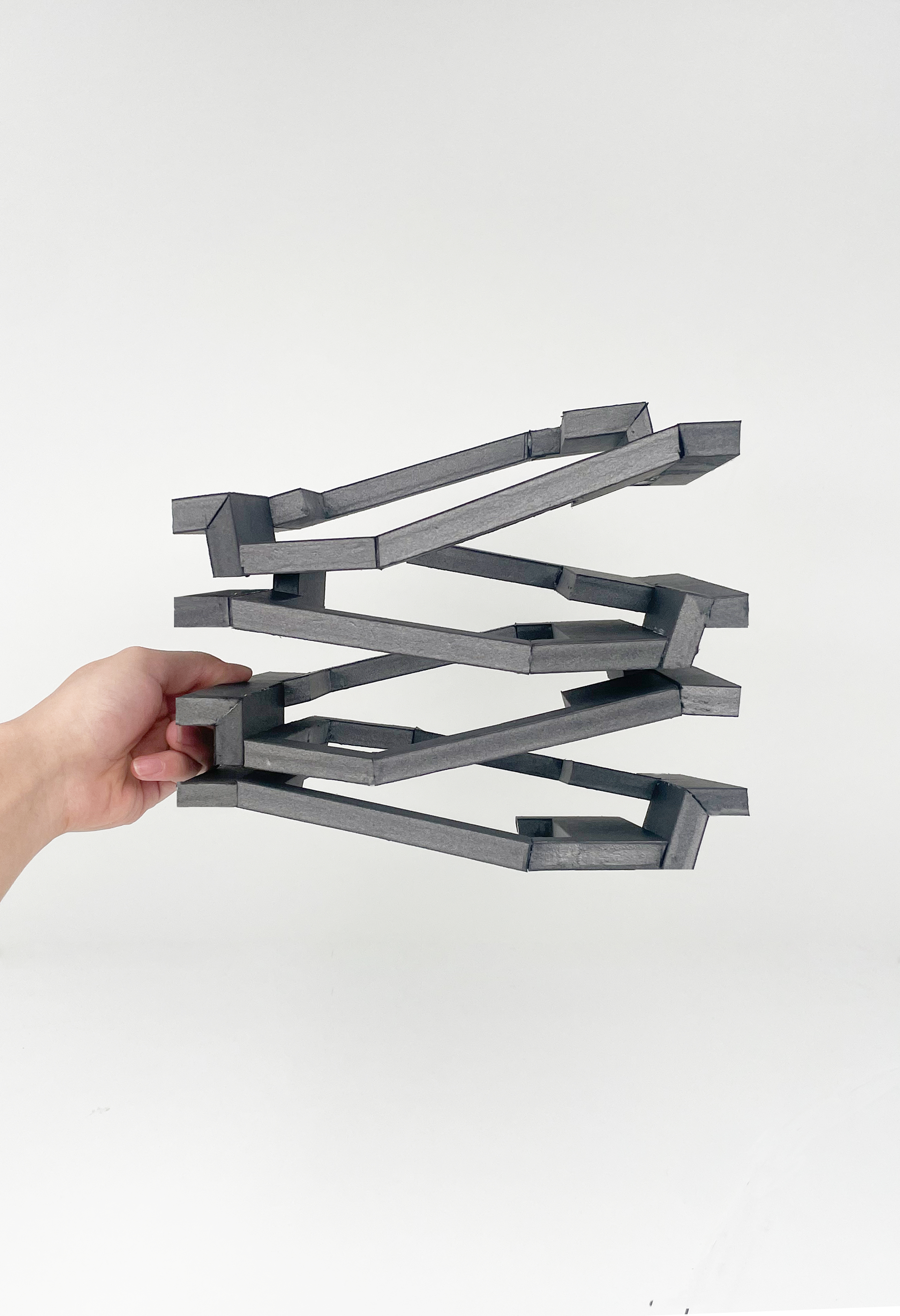
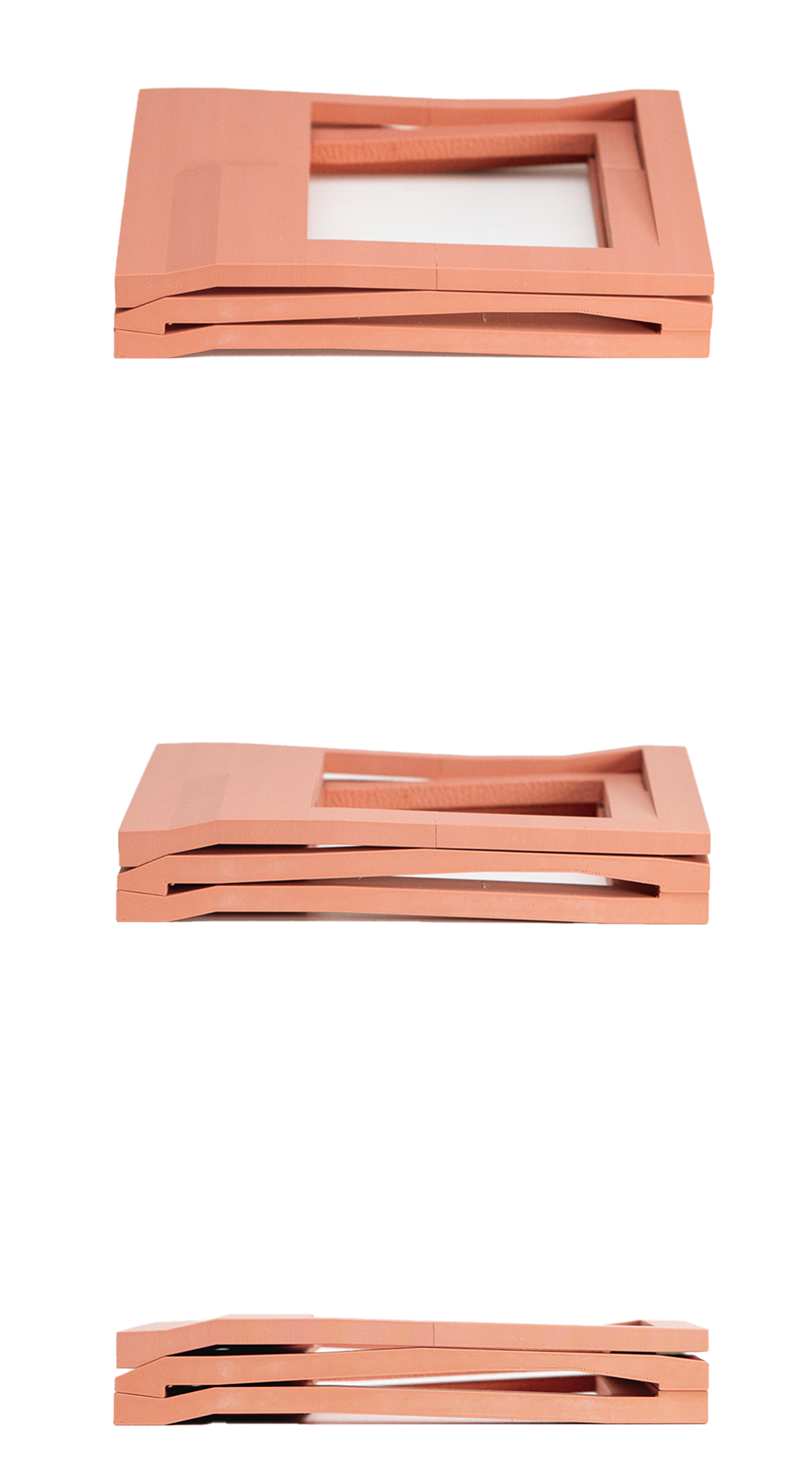
From Ramp + Courtyard to Hybrid Form
This study combines the ramp system with the courtyard typology to produce a hybrid spatial framework. The ramp introduces continuous circulation and layered movement, while the courtyard establishes a central void that organizes light, openness, and collective space. Together, they transform circulation from a linear path into a spatial device that shapes the overall building form.
This study combines the ramp system with the courtyard typology to produce a hybrid spatial framework. The ramp introduces continuous circulation and layered movement, while the courtyard establishes a central void that organizes light, openness, and collective space. Together, they transform circulation from a linear path into a spatial device that shapes the overall building form.
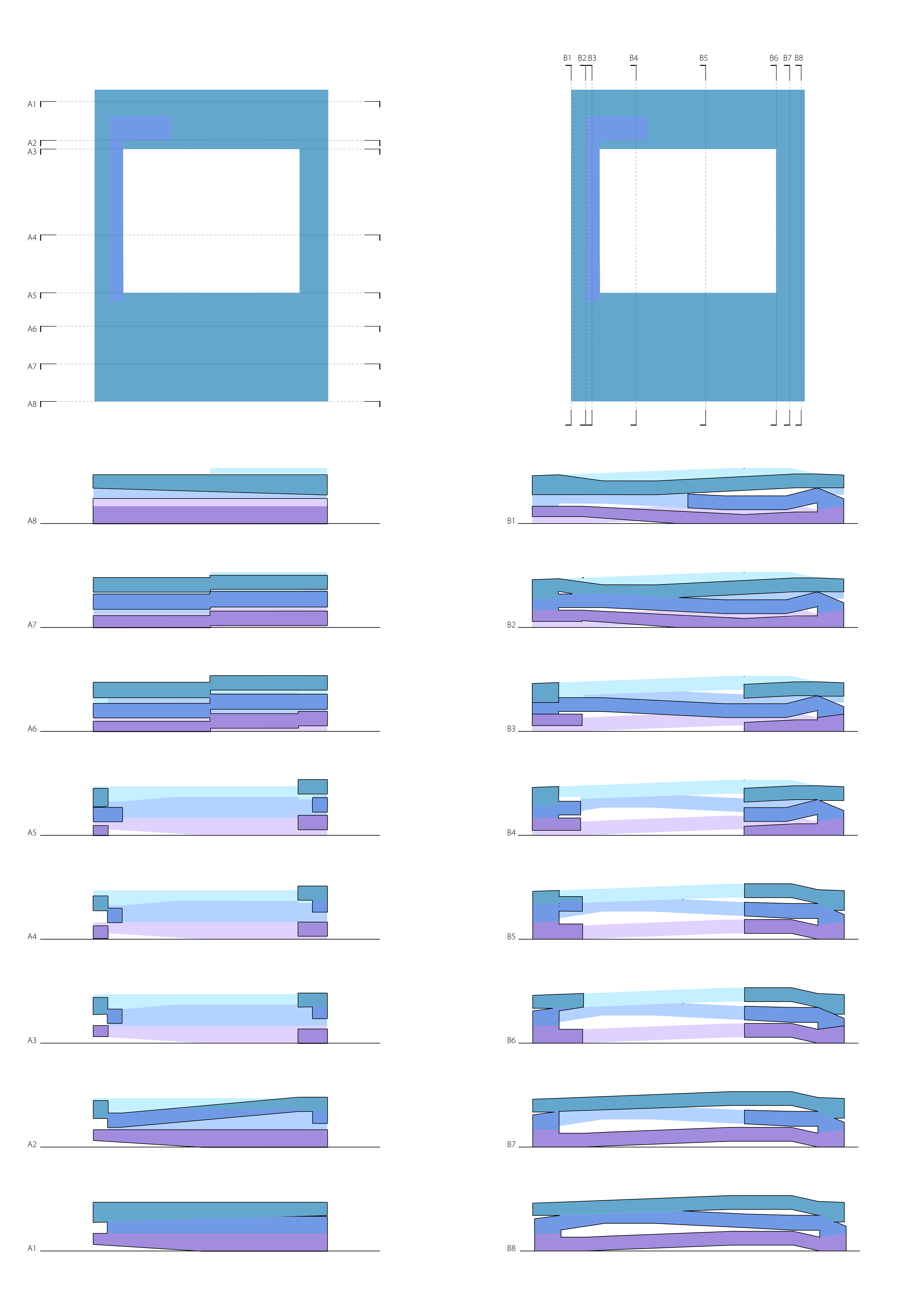
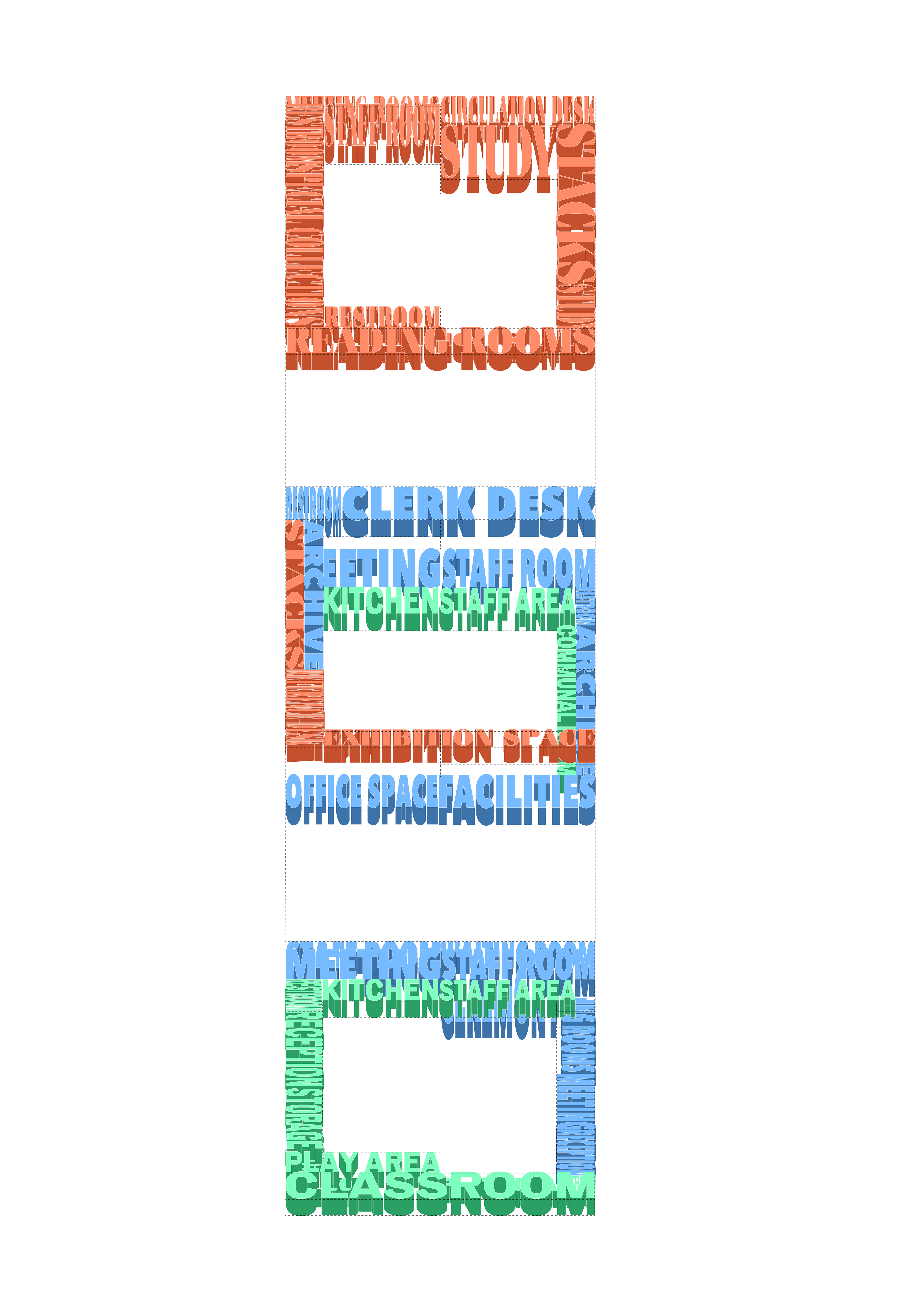
Sectional Organization and Program Overlap
This drawing studies how the building is organized through section rather than a single flat plan. The plan diagrams define a series of cut lines, while the sectional studies reveal how ramps, floor plates, and courtyard voids overlap across different levels.
This drawing studies how the building is organized through section rather than a single flat plan. The plan diagrams define a series of cut lines, while the sectional studies reveal how ramps, floor plates, and courtyard voids overlap across different levels.
The blue and purple layers represent shifting program bands and circulation paths. As these layers compress, tilt, and offset, they create a continuous spatial system around the central courtyard. The courtyard works as a void for light, visual connection, and collective activity.
The program diagram on the right shows how archive, reading rooms, study spaces, exhibition areas, offices, classrooms, and play areas are distributed through the layered mass. Through this sectional organization, the project connects library, archive, and kindergarten into one hybrid public institution.
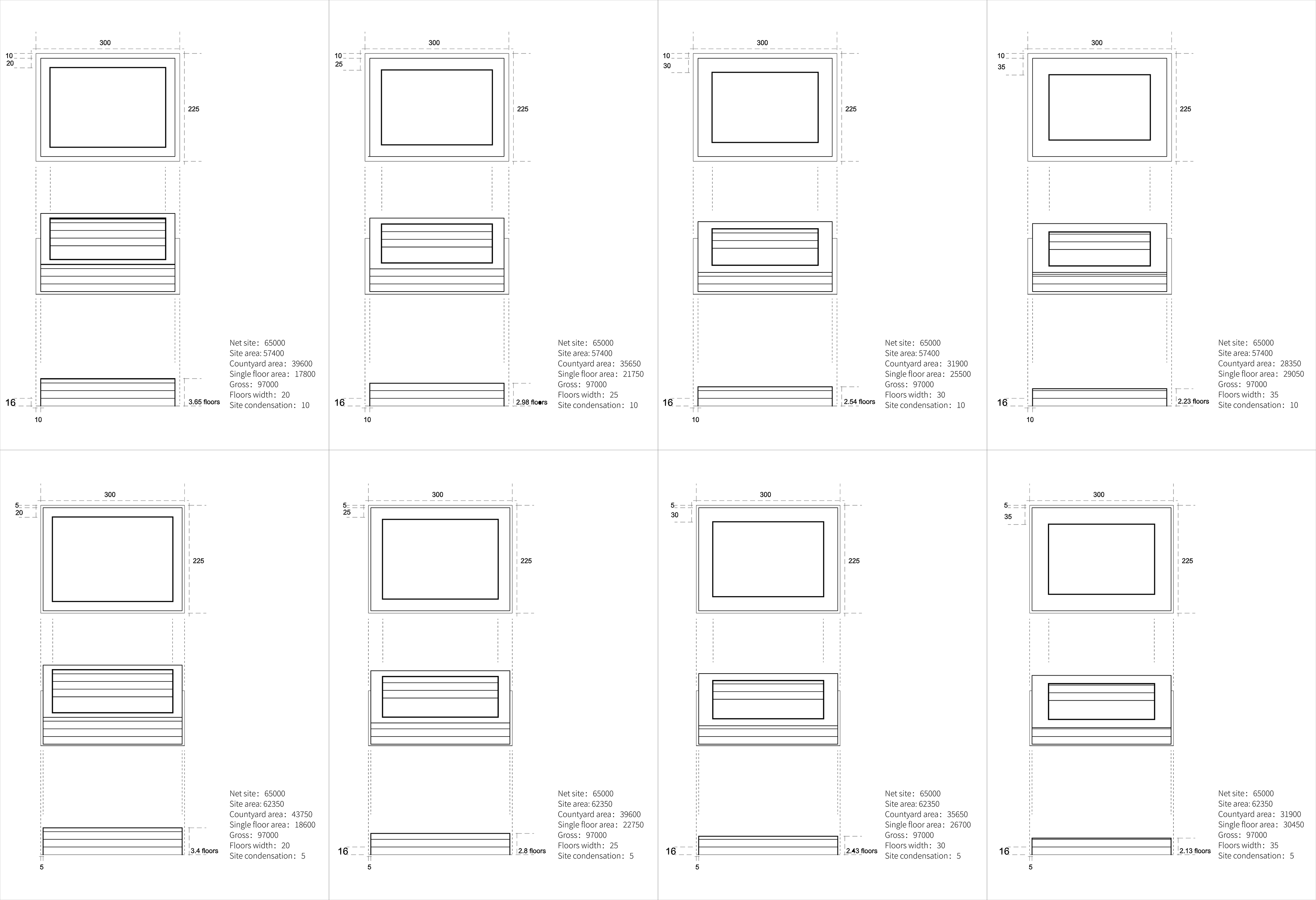
This study compares different courtyard massing options by testing floor width, courtyard size, floor count, and site condensation. It helps identify a balance between building compactness, interior openness, and spatial quality.
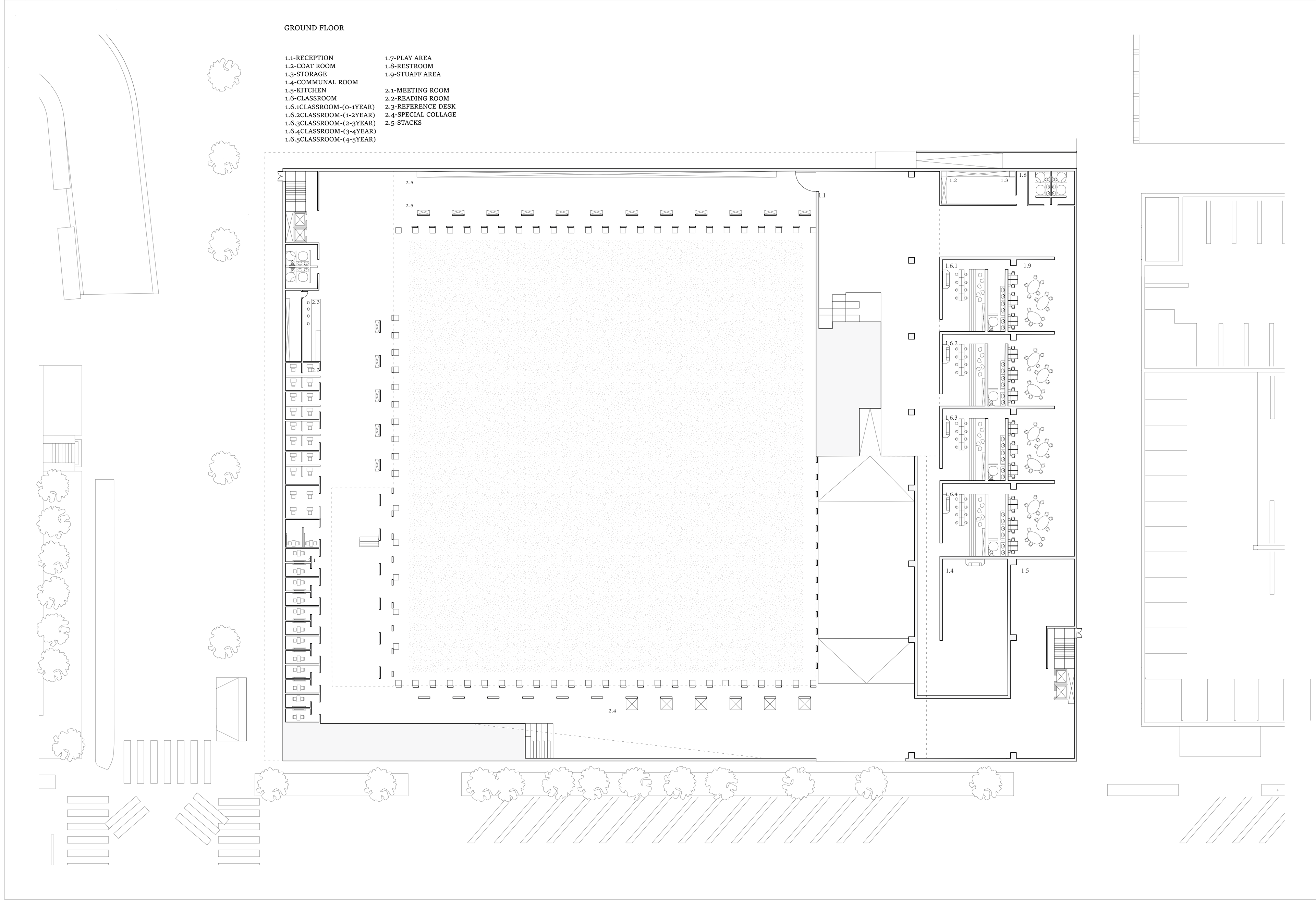
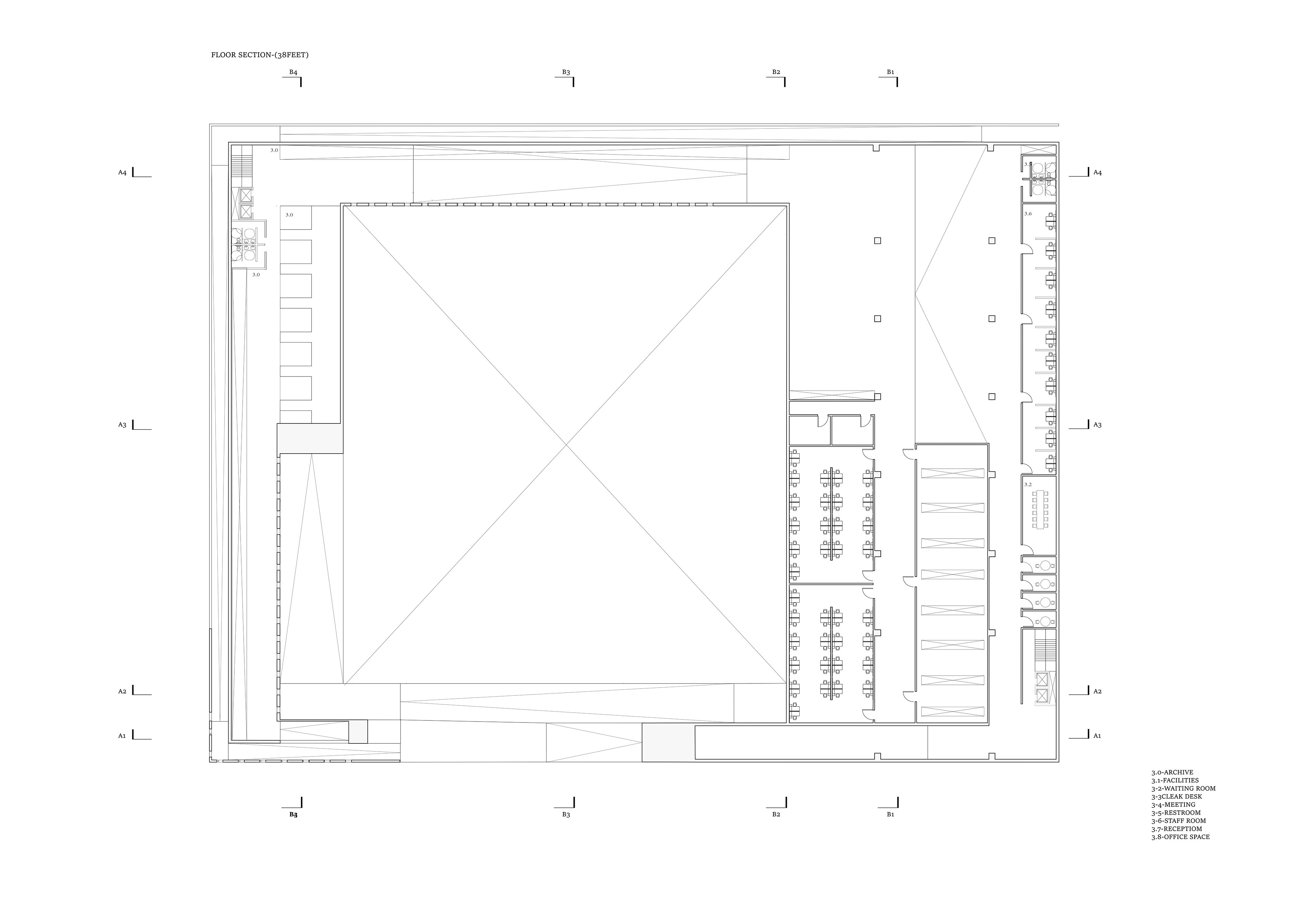
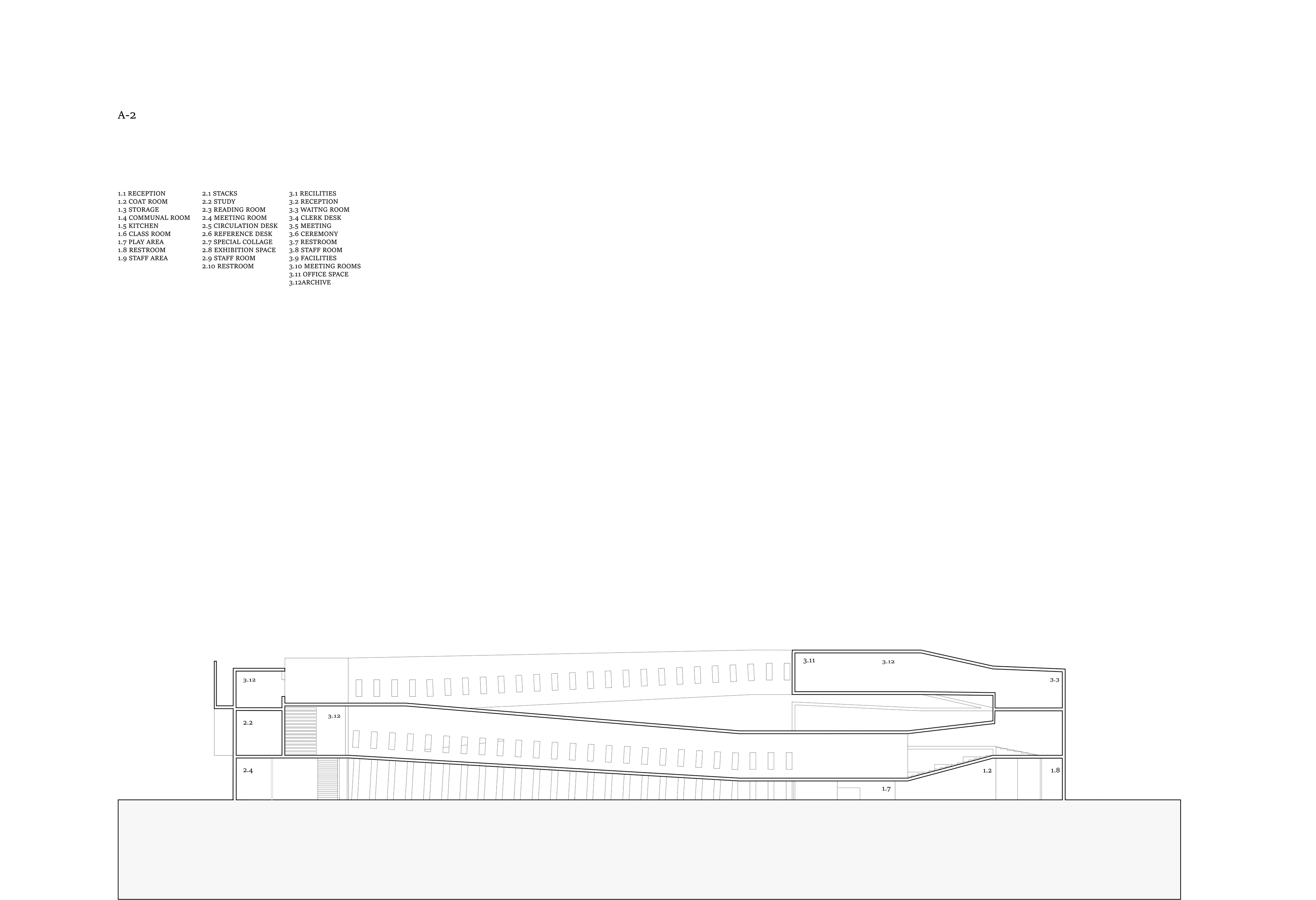
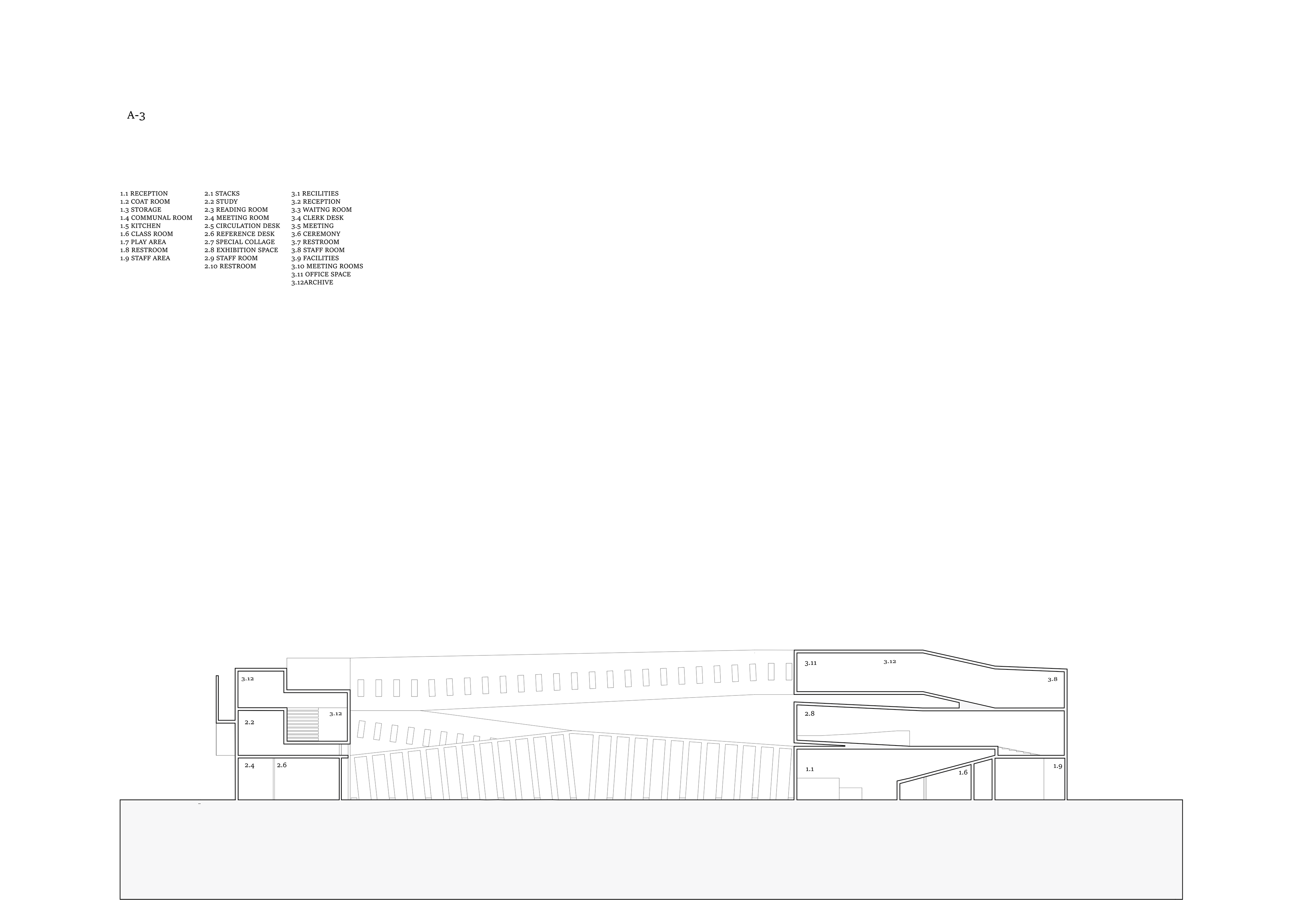
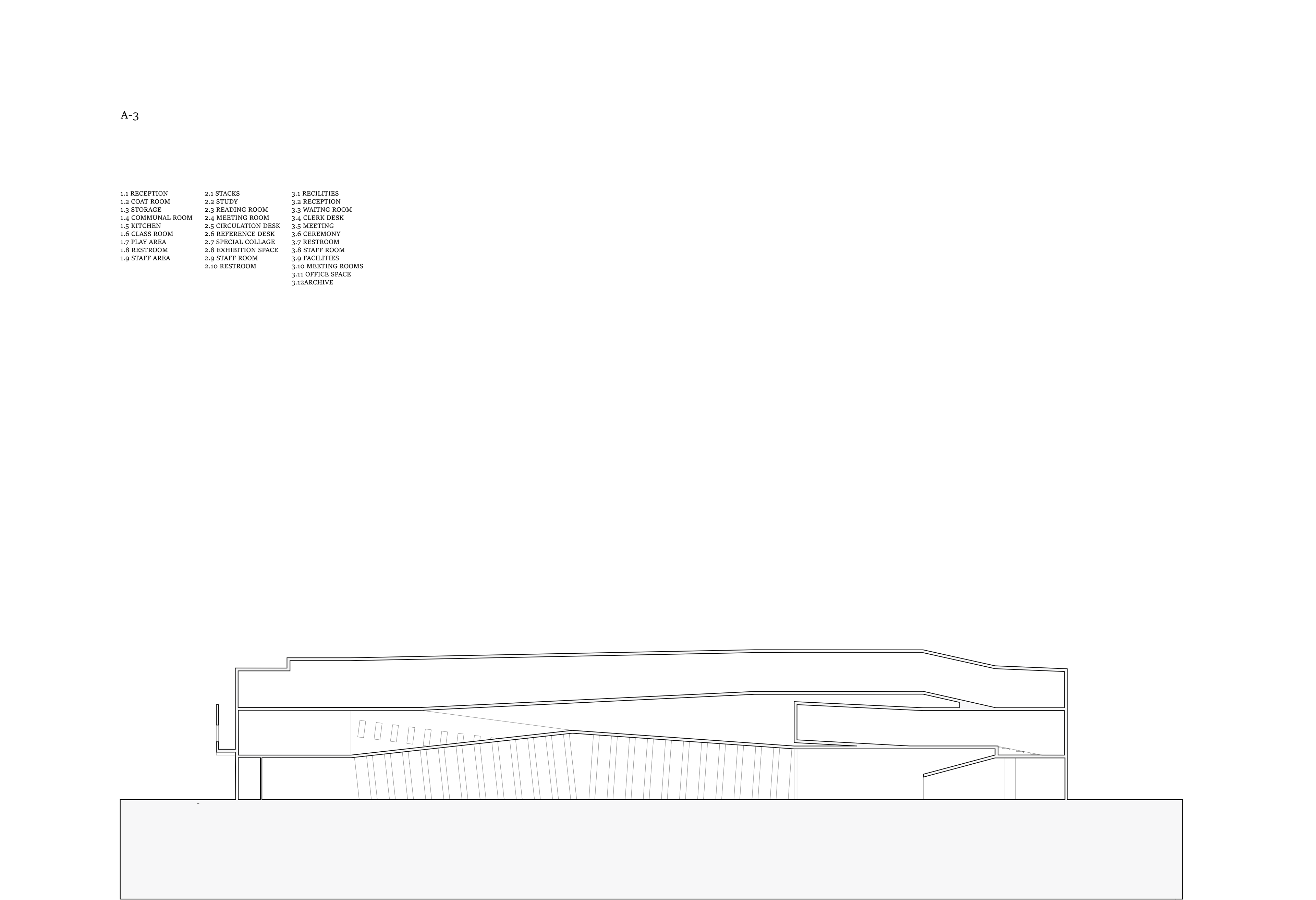
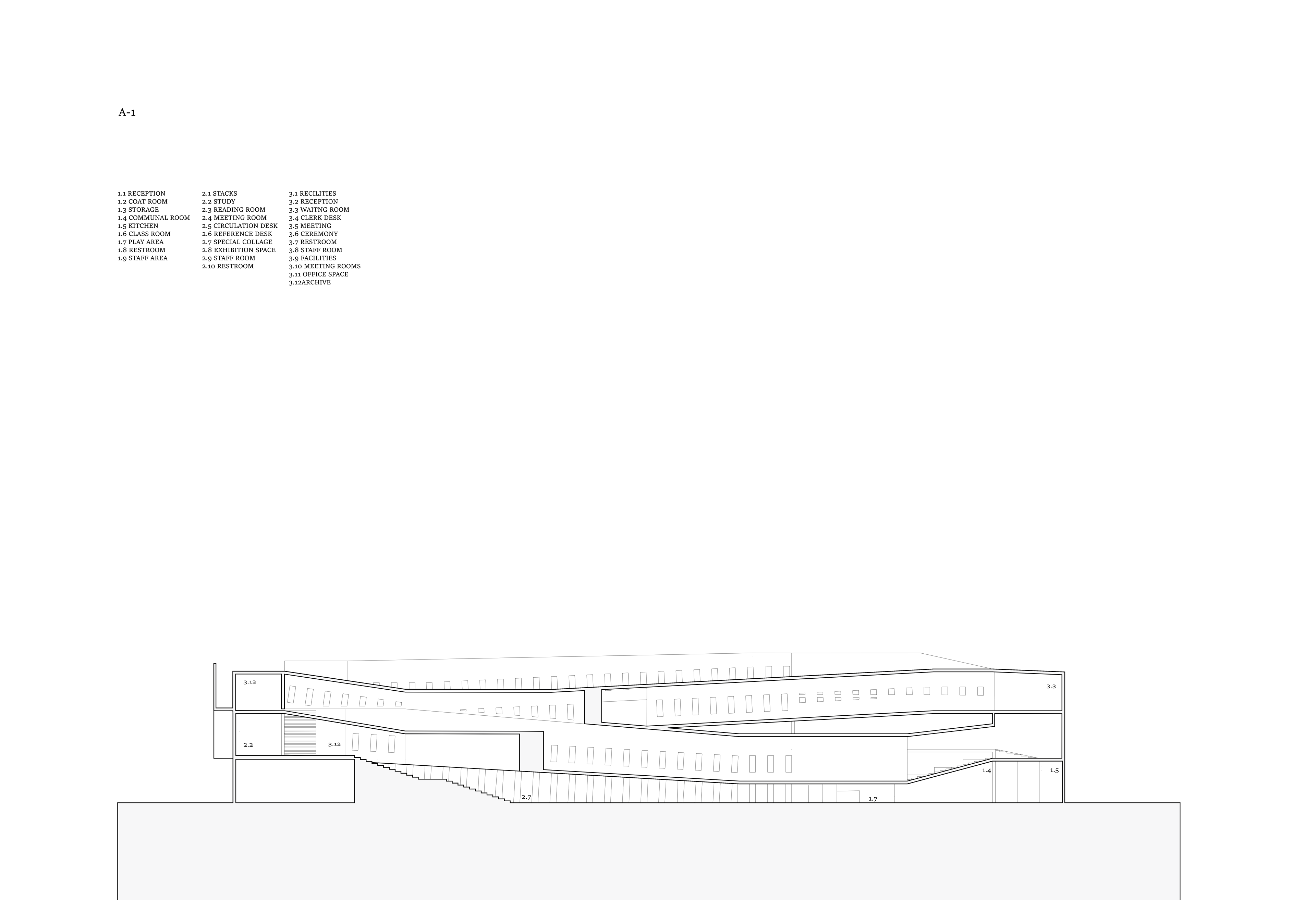
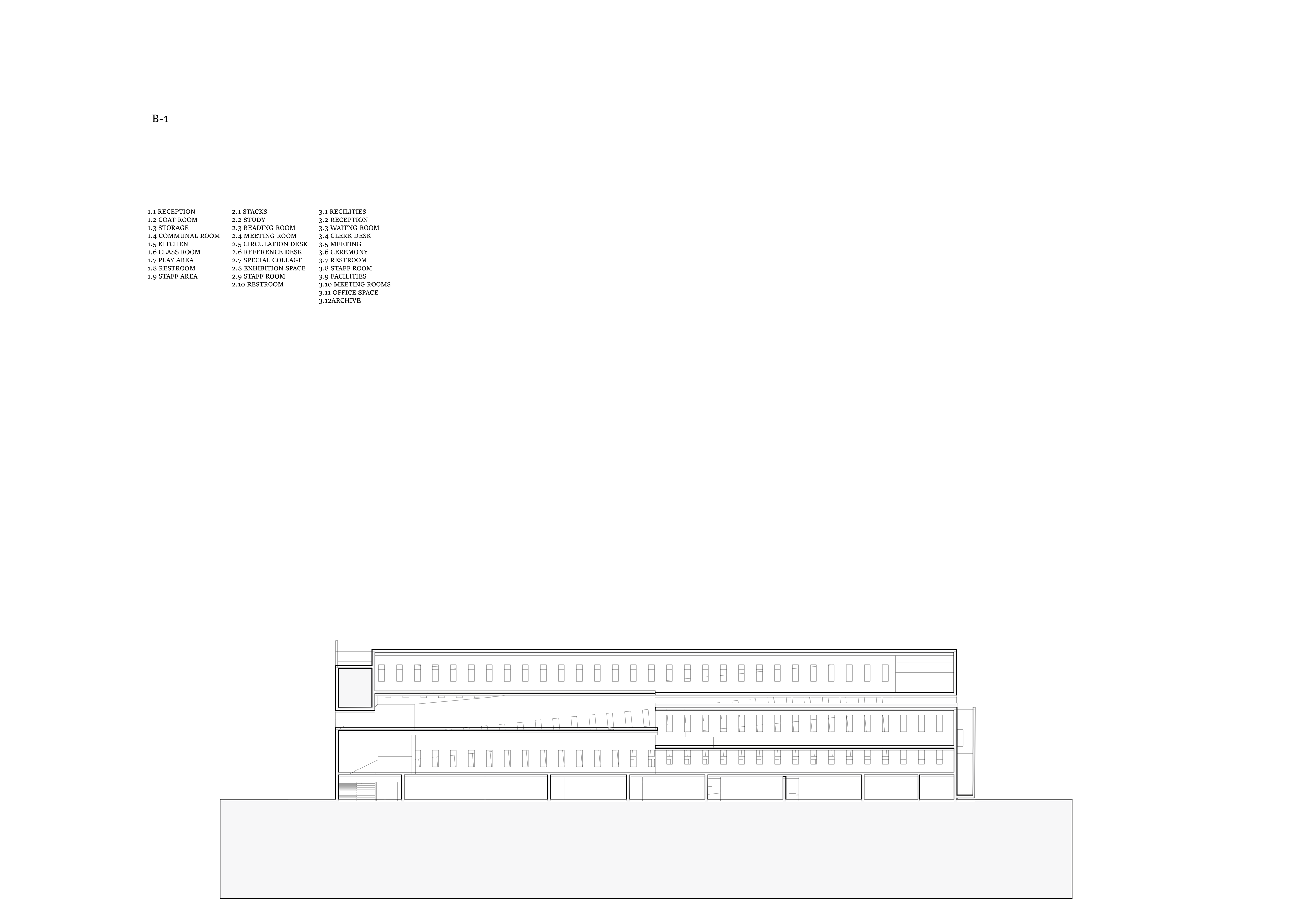
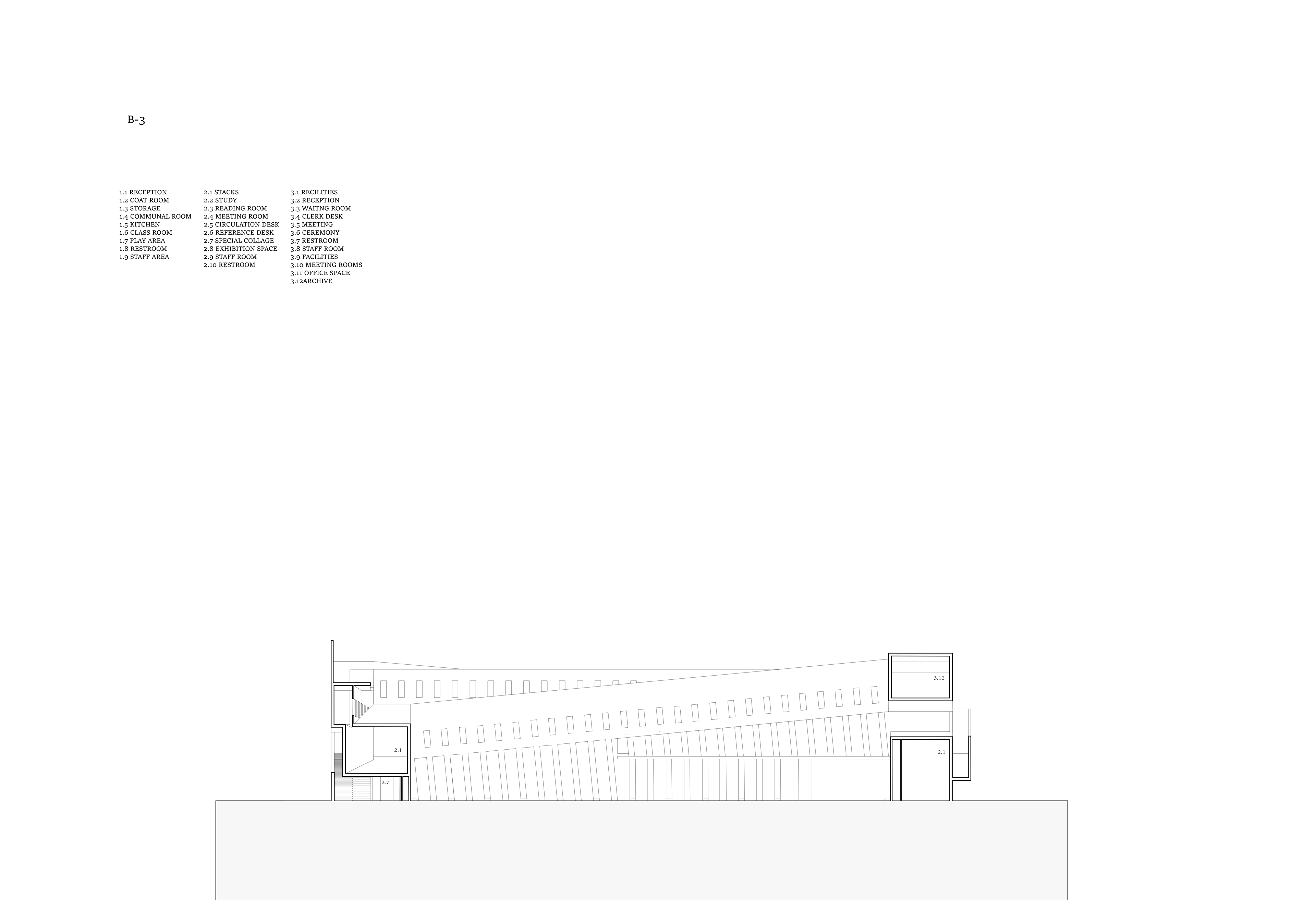
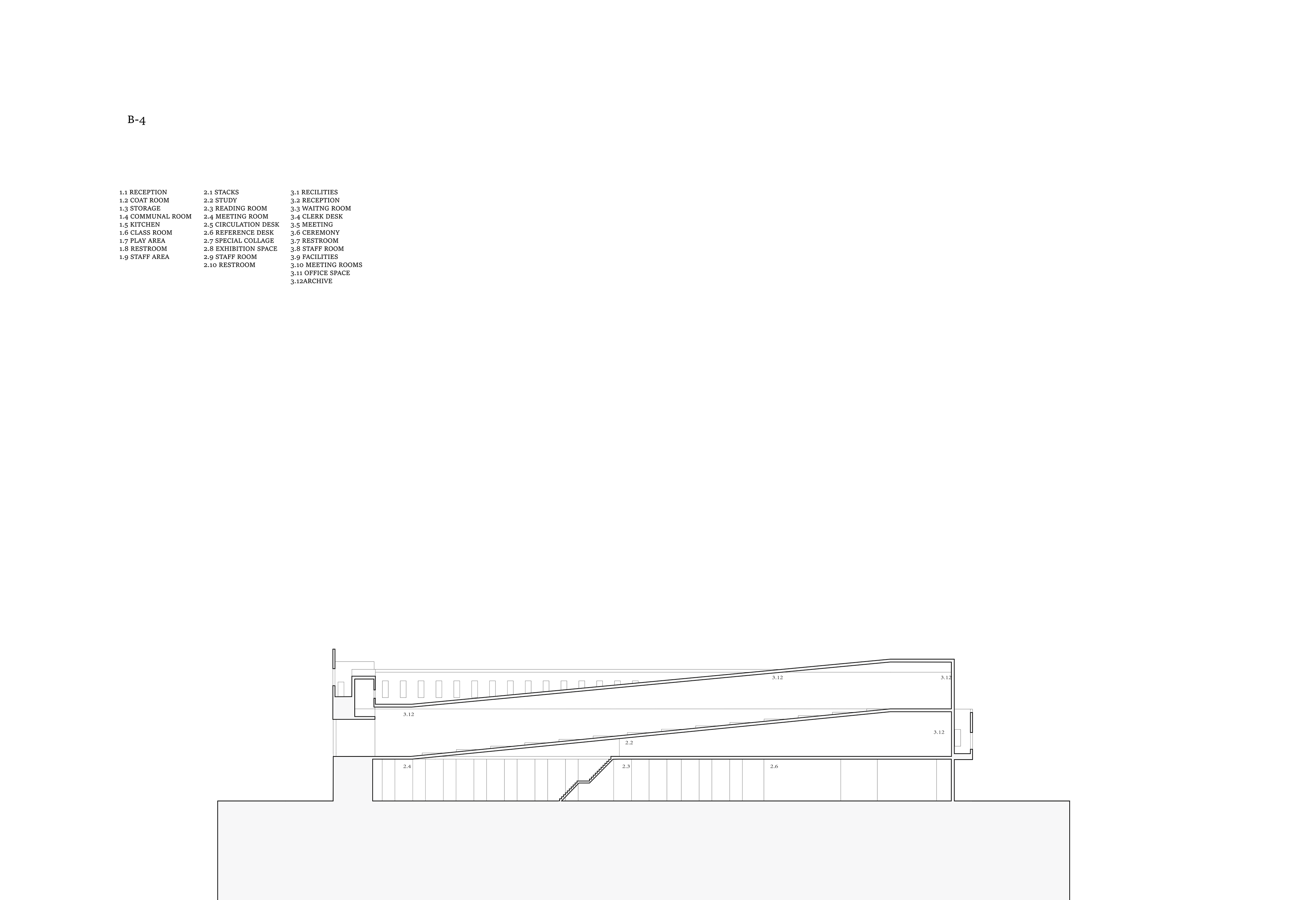
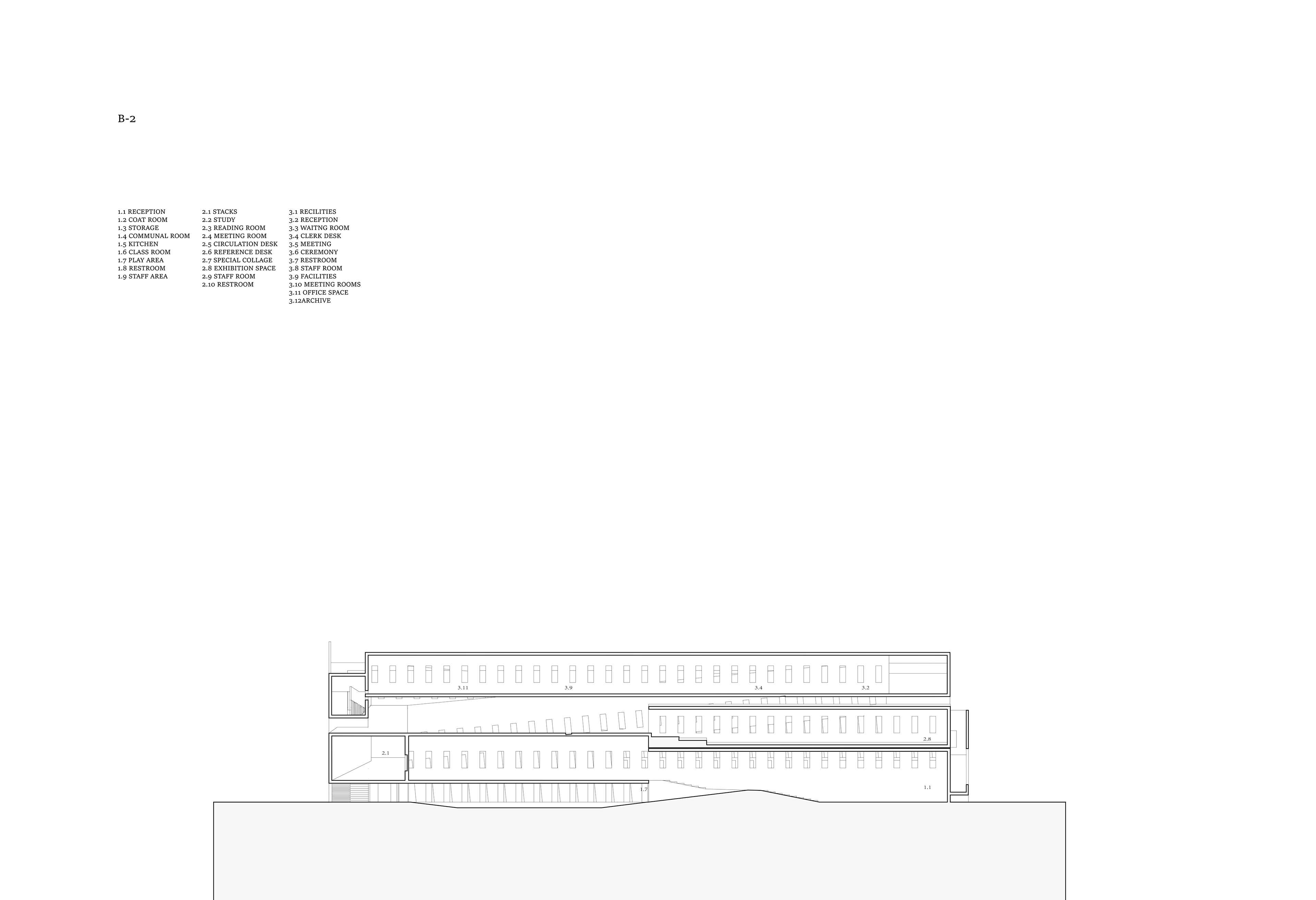
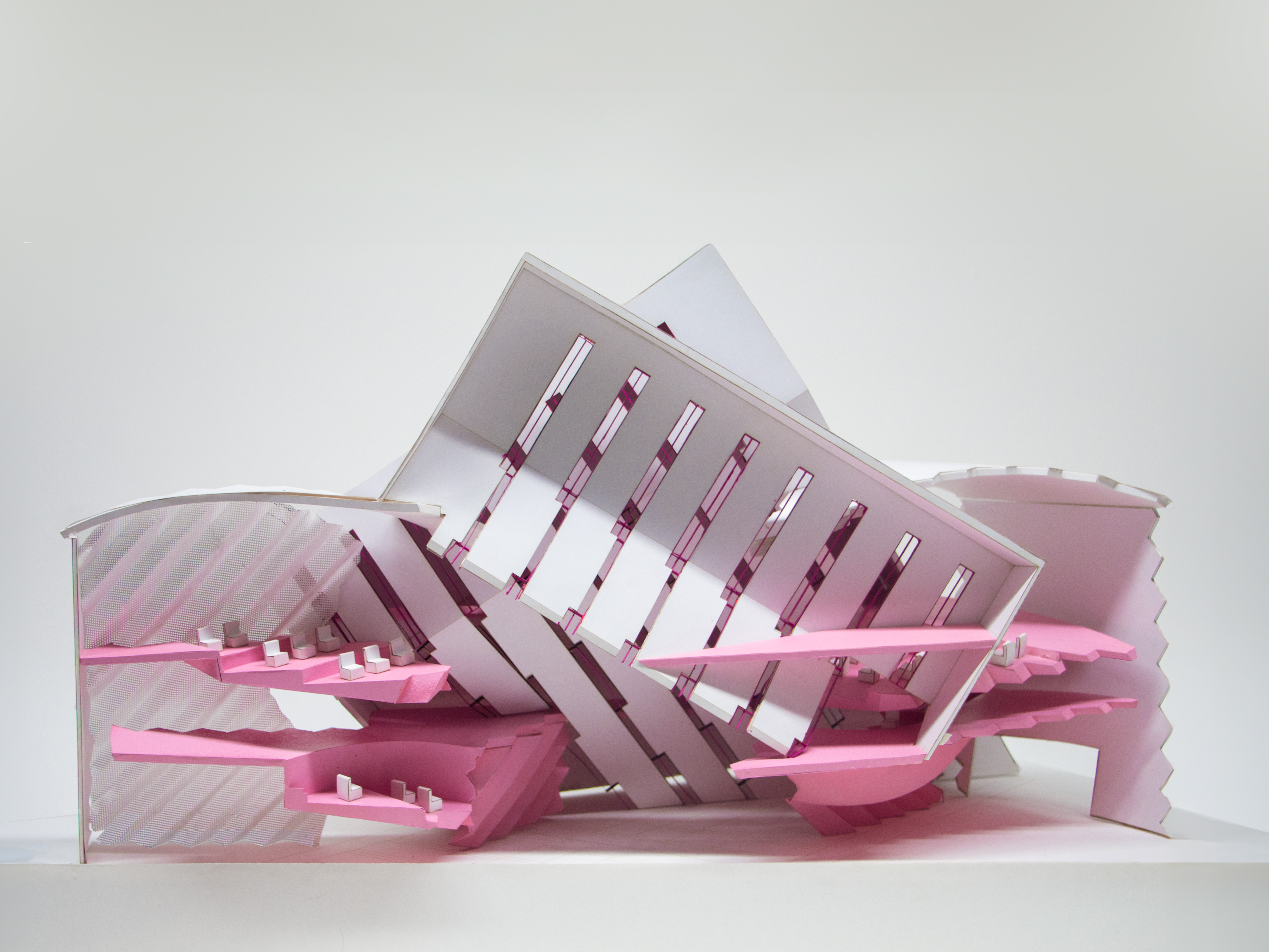
This drawing shows the final plan and sectional organization of the project. The building is organized around a central courtyard, which brings light, openness, and visual connection into the archive, library, and kindergarten programs.
In section, the ramp becomes the main spatial device. It connects different levels, creates moments of compression and openness, and turns circulation into shared spaces for reading, learning, and play.
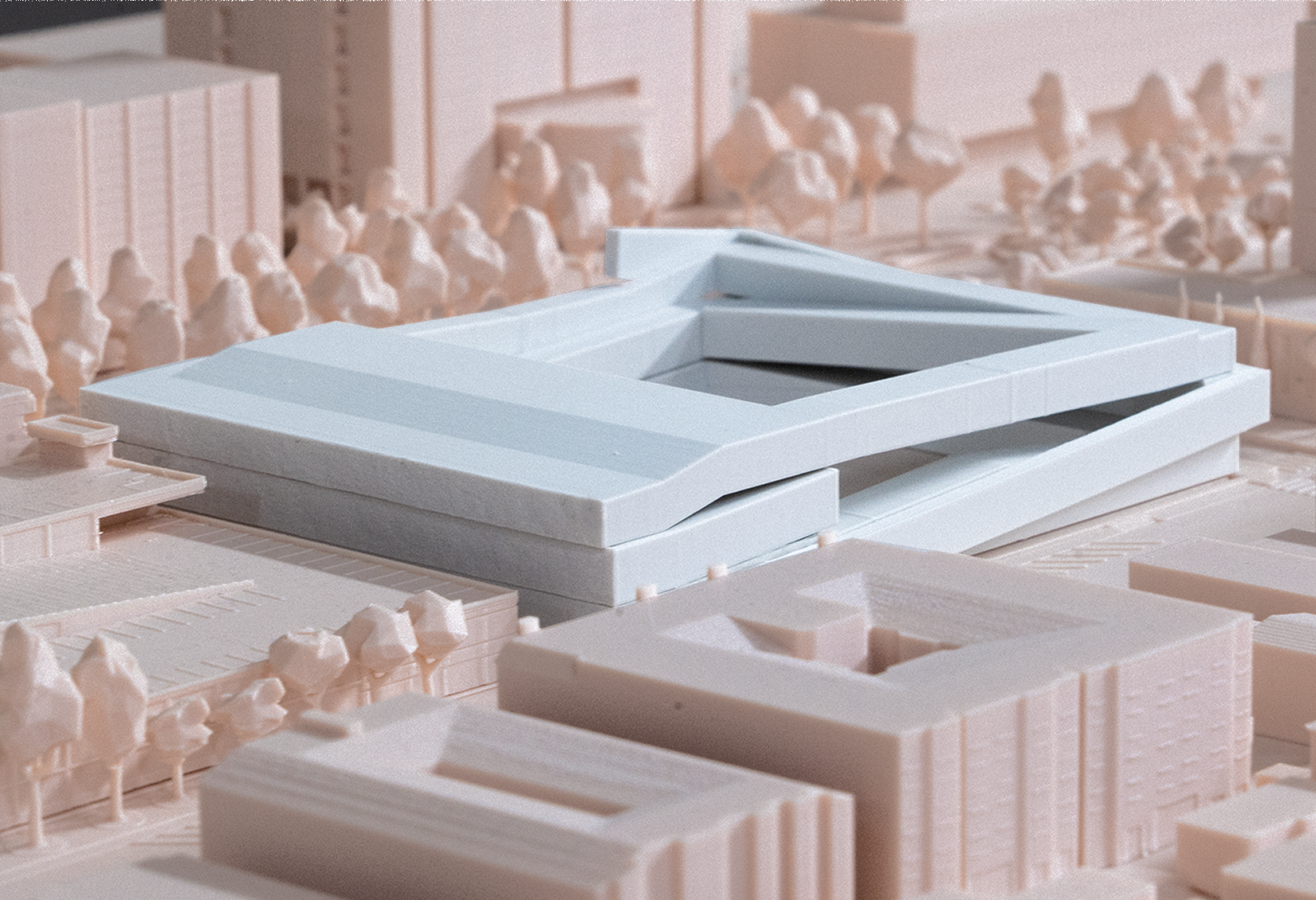
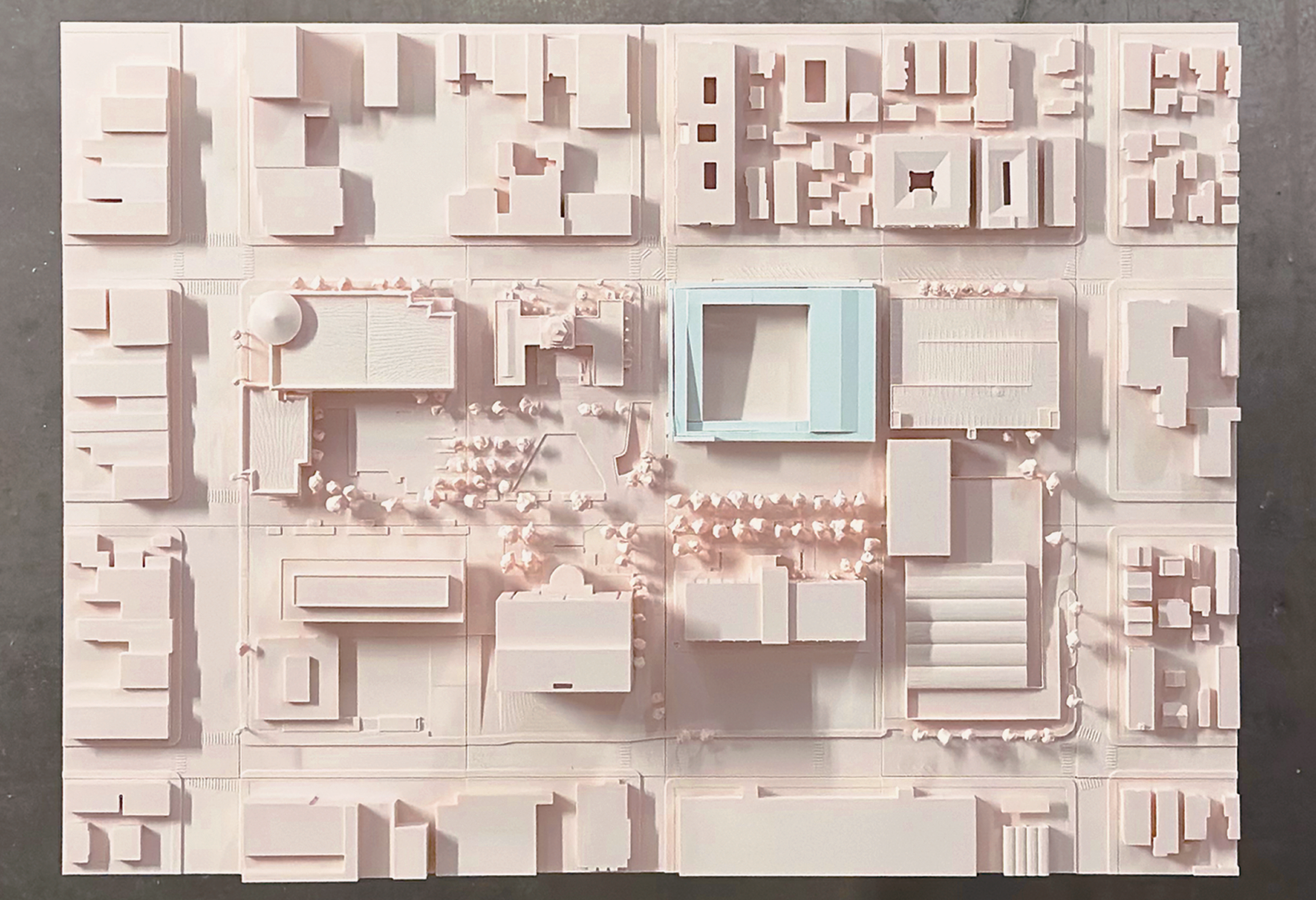
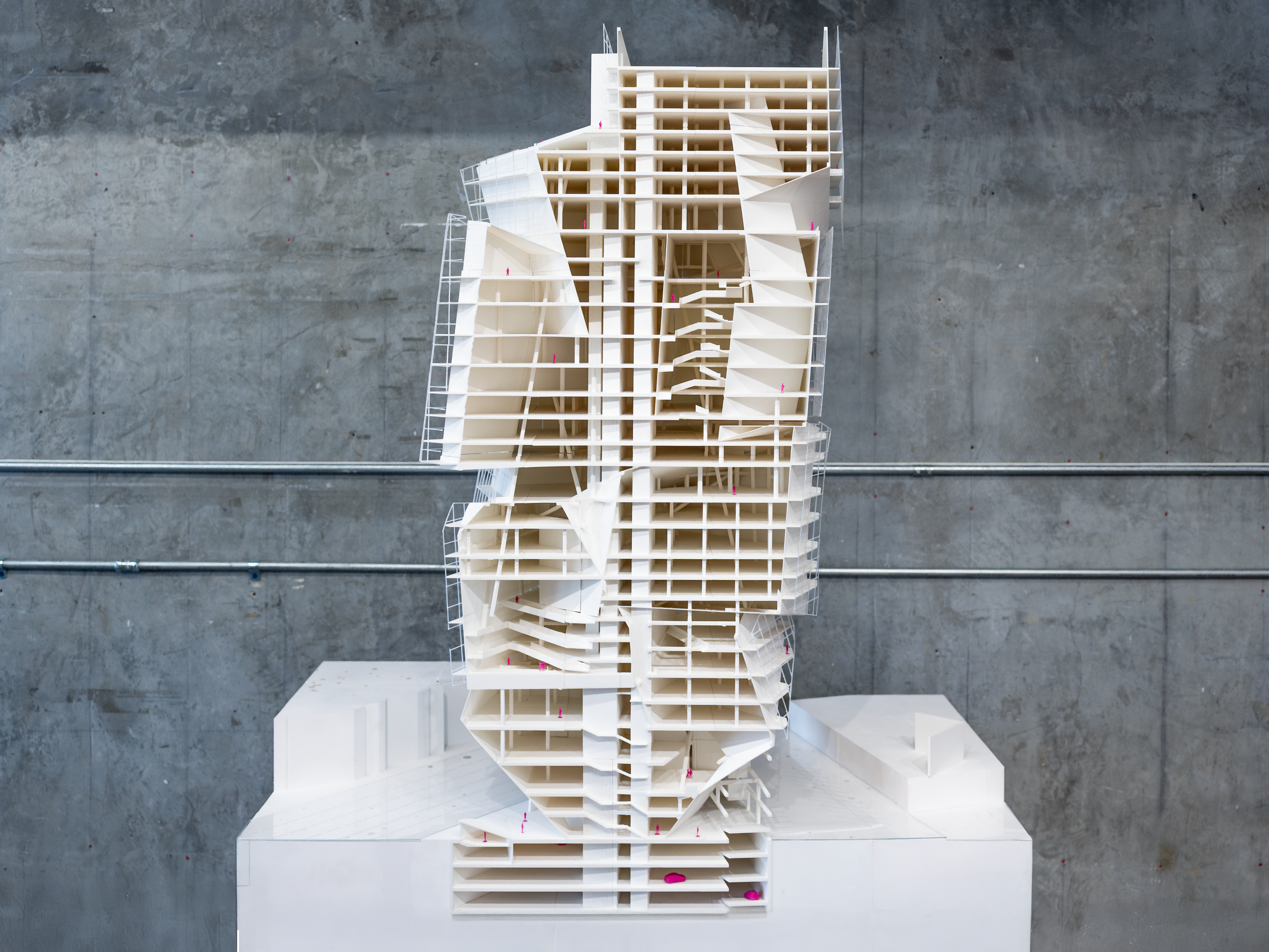
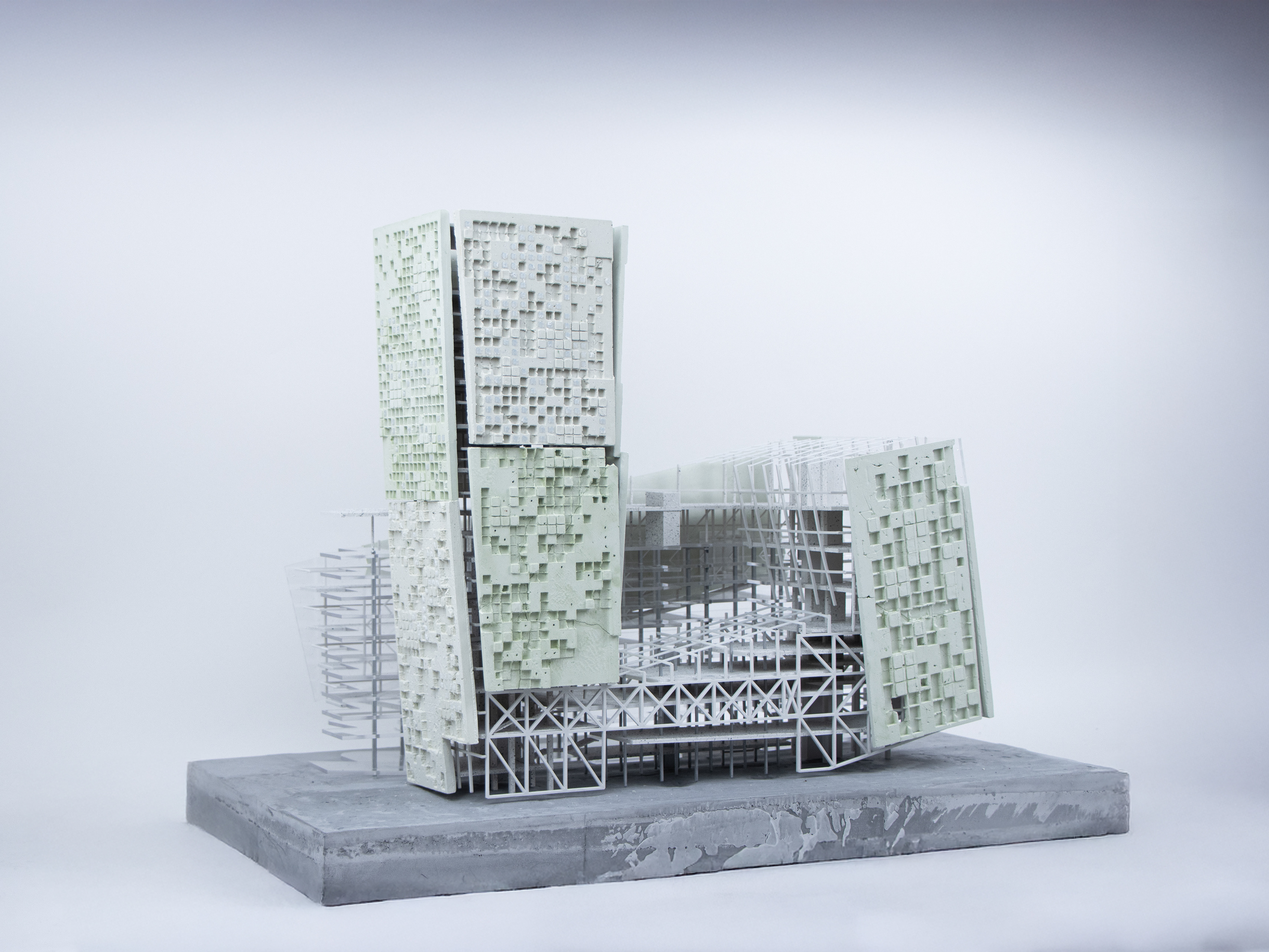
This site model shows the project within the urban fabric of Van Nuys. The building appears as a layered courtyard volume, using its central void and ramped edges to bring light, movement, and public activity into the archive, library, and kindergarten program.
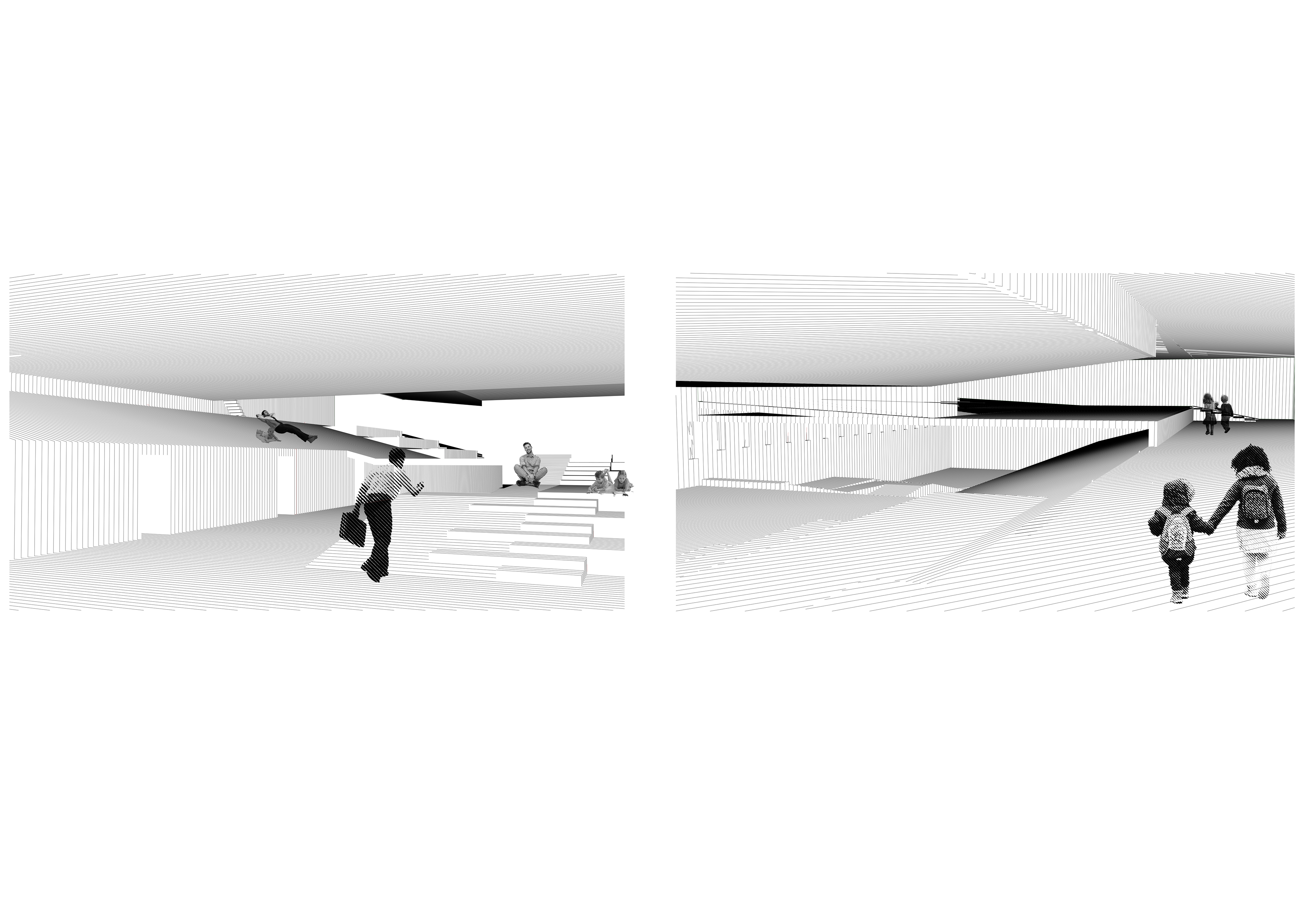
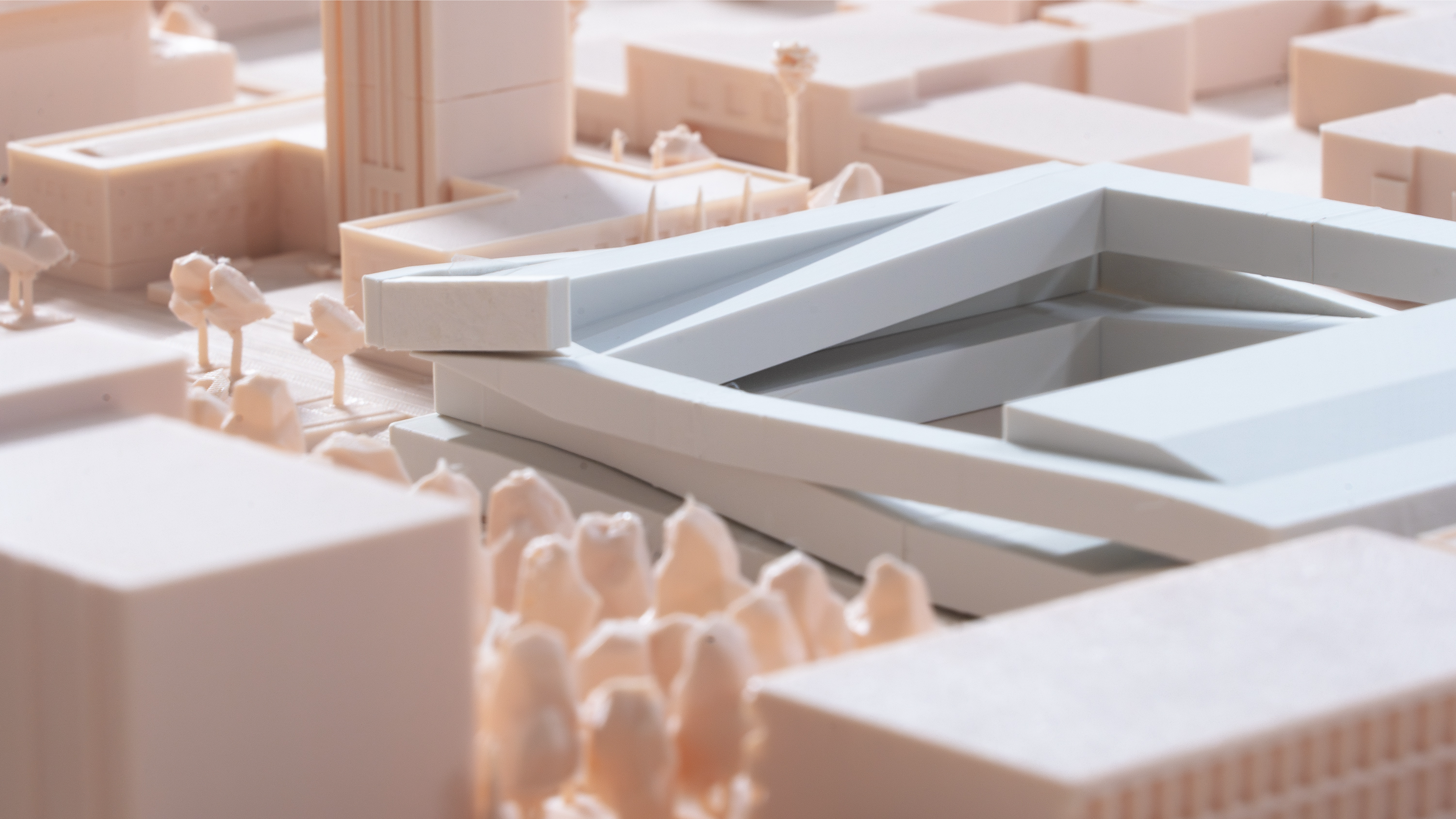
Through the study of courtyard typology and ramp circulation, the project develops a layered spatial system. The courtyard organizes light, views, and collective activity, while the ramp connects different levels and transforms circulation into spaces for reading, learning, exhibition, and play.
By combining archive, library, and kindergarten, the building becomes a hybrid civic and educational institution where memory is not only preserved, but actively shared and experienced.